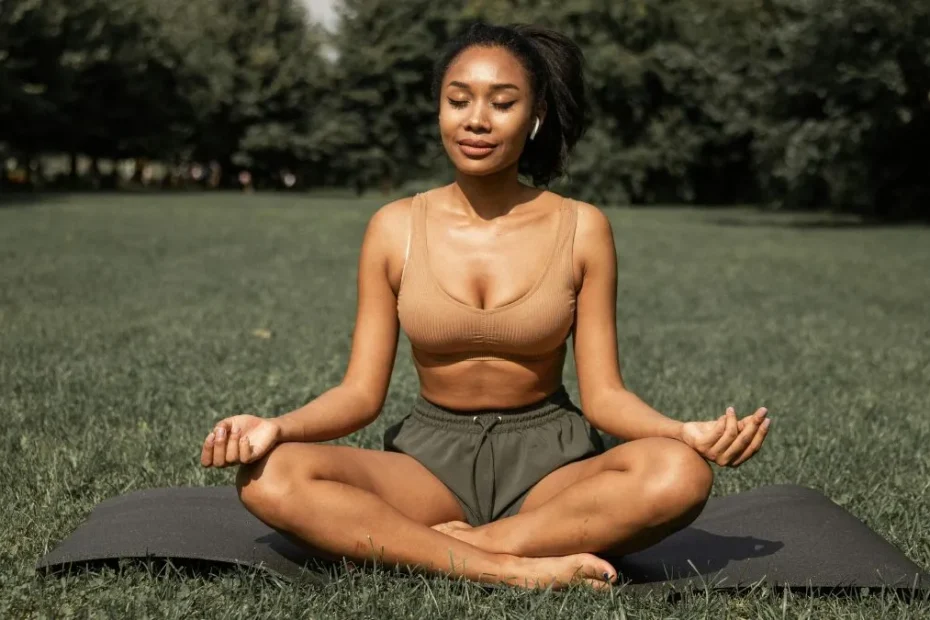
Yoga is not only about advanced poses or extreme flexibility. At its core, yoga is built on a set of foundational poses that create strength, improve flexibility, support balance, and teach proper alignment.
These poses are suitable for beginners and essential for experienced practitioners, because they form the base for almost every advanced posture.
Practicing foundational yoga poses regularly helps build body awareness, prevents injuries, and improves posture in everyday life. Whether your goal is better mobility, reduced stress, or full-body strength, these poses deserve a place in every routine.
Why Foundational Yoga Poses Matter?
Foundational poses are designed to work the entire body, not just one muscle group. They improve joint stability, stretch tight areas, and strengthen weak muscles at the same time. These poses also teach you how to breathe correctly, engage your core, and move with control.
Skipping the basics often leads to poor form, discomfort, or injury. Mastering foundational poses ensures that your body moves safely and efficiently, both on and off the yoga mat.
1. Mountain Pose (Tadasana)
Mountain Pose may look simple, but it is one of the most important yoga postures. It teaches proper standing alignment and posture.
This pose strengthens the legs, improves balance, and helps you become aware of how your body carries weight. Standing tall in Mountain Pose also encourages better breathing and spinal alignment, making it an excellent starting point for any yoga practice.
2. Downward-Facing Dog (Adho Mukha Svanasana)
Downward-Facing Dog is a full-body pose that builds strength and flexibility at the same time. It stretches the shoulders, hamstrings, calves, and spine while strengthening the arms and legs.
This pose improves circulation, relieves stiffness, and helps lengthen the spine. It is often used as a resting pose, but it actively works the body when practiced with proper alignment.
3. Plank Pose (Phalakasana)
Plank Pose is one of the best yoga postures for building core strength. It strengthens the shoulders, arms, wrists, abdomen, and legs.
Holding Plank Pose improves stability and posture, which is essential for more advanced yoga movements. A strong plank also supports daily activities like lifting, standing, and maintaining balance.

4. Cobra Pose (Bhujangasana)
Cobra Pose is a gentle backbend that strengthens the spine and opens the chest. It improves flexibility in the lower back and counteracts the effects of prolonged sitting.
This pose also helps improve posture by strengthening the muscles that support the spine. Practicing Cobra regularly can reduce back stiffness and increase spinal mobility.
5. Child’s Pose (Balasana)
Child’s Pose is a resting posture that promotes relaxation and gentle stretching. It releases tension in the lower back, hips, and shoulders while calming the nervous system.
Although it feels passive, Child’s Pose plays an important role in restoring balance to the body, especially between more active poses. It is ideal for beginners and experienced yogis alike.
6. Warrior I (Virabhadrasana I)
Warrior I builds strength in the legs, hips, and core while opening the chest and shoulders. It improves balance, coordination, and endurance.
This pose teaches focus and stability, helping you stay grounded while maintaining an upright posture. Warrior I also increases flexibility in the hip flexors, which are often tight due to sitting.
7. Warrior II (Virabhadrasana II)
Warrior II strengthens the legs and improves hip mobility while increasing stamina. It encourages proper alignment of the knees, hips, and spine.
Holding Warrior II develops both physical and mental strength. It helps build confidence and body awareness while improving flexibility in the hips and inner thighs.
8. Tree Pose (Vrikshasana)
Tree Pose is excellent for improving balance and concentration. It strengthens the legs, ankles, and core while enhancing coordination.
This pose also promotes mindfulness by requiring focus and steady breathing. Practicing Tree Pose regularly can improve stability and posture in everyday movements.
9. Seated Forward Bend (Paschimottanasana)
Seated Forward Bend stretches the hamstrings, calves, and spine. It helps release tension in the lower back and improves flexibility over time.
This pose also encourages calm breathing and relaxation, making it beneficial for stress relief. Gentle forward bends are especially helpful for improving mobility and reducing stiffness.
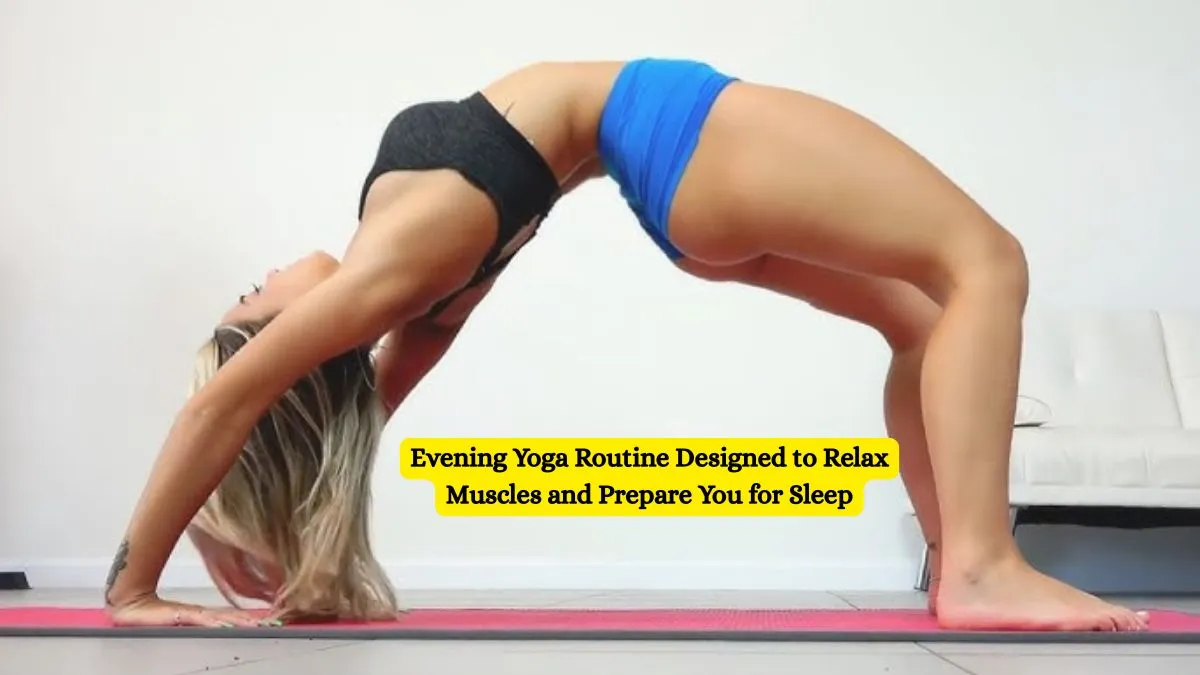
10. Bridge Pose (Setu Bandhasana)
Bridge Pose strengthens the glutes, back, and legs while opening the chest and hips. It supports spinal health and improves posture.
This pose also helps activate muscles that are often weak due to prolonged sitting. Regular practice improves flexibility in the spine and strengthens the lower body.
How to Practice Safely?
Start slowly and focus on proper alignment rather than depth. Use props such as blocks or straps if needed, and always listen to your body. Consistent practice of foundational poses will naturally lead to greater strength and flexibility over time.
Foundational yoga poses are the backbone of a safe and effective yoga practice. They build strength, improve flexibility, and support overall physical balance. By practicing these poses regularly, you create a strong base that allows your body to move with ease and confidence.
No matter your experience level, returning to the basics helps refine technique, prevent injuries, and deepen your connection to yoga. These foundational poses are not just beginner exercises—they are lifelong tools for strength, mobility, and well-being.
FAQs
1. How often should I practice foundational yoga poses?
Practicing 3–5 times a week is ideal for building strength, flexibility, and consistency without overloading the body.
2. Are foundational yoga poses suitable for beginners?
Yes, these poses are perfect for beginners and can be safely modified to match different fitness levels.
3. Can foundational poses improve flexibility over time?
Yes, regular practice gradually lengthens muscles, improves joint mobility, and increases overall flexibility.
How Yoga Enhances Mindfulness and Builds a Healthier Relationship With Stress
Yoga for Emotional Healing: Poses That Help Release Stored Stress and Trauma

Chair Yoga Exercises That Improve Mobility and Reduce Joint Stiffness
Evening Yoga Routine Designed to Relax Muscles and Prepare You for Sleep

How Consistent Yoga Practice Improves Digestion, Breathing, and Circulation
