Standing yoga poses are excellent for beginners. They help build strength, increase flexibility, improve balance, and enhance posture. Unlike floor-based poses, standing poses teach stability while engaging multiple muscle groups.
Here are 7 standing beginner yoga poses to strengthen your body and stretch your muscles safely.
1. Mountain Pose (Tadasana)
Mountain Pose is the foundation of all standing yoga poses. Stand tall with feet together, arms at your sides, and weight evenly distributed. Engage your thighs, lift your chest, and lengthen your spine. Focus on grounding through your feet while maintaining a steady gaze.
Benefits: Improves posture, strengthens legs, and develops body awareness.
2. Tree Pose (Vrksasana)
Tree Pose improves balance and strengthens the legs. Shift weight to one leg, place the other foot on your inner calf or thigh (avoid the knee), and bring hands together at the chest or overhead. Focus on a fixed point to maintain stability.
Benefits: Enhances balance, strengthens calves and thighs, and boosts concentration.
3. Warrior I (Virabhadrasana I)
Warrior I is a powerful pose for strength and stability. Step one leg back, bend the front knee, and extend arms overhead. Keep your hips facing forward and gaze toward your hands.
Benefits: Strengthens legs, opens hips, and stretches arms and shoulders.
4. Warrior II (Virabhadrasana II)
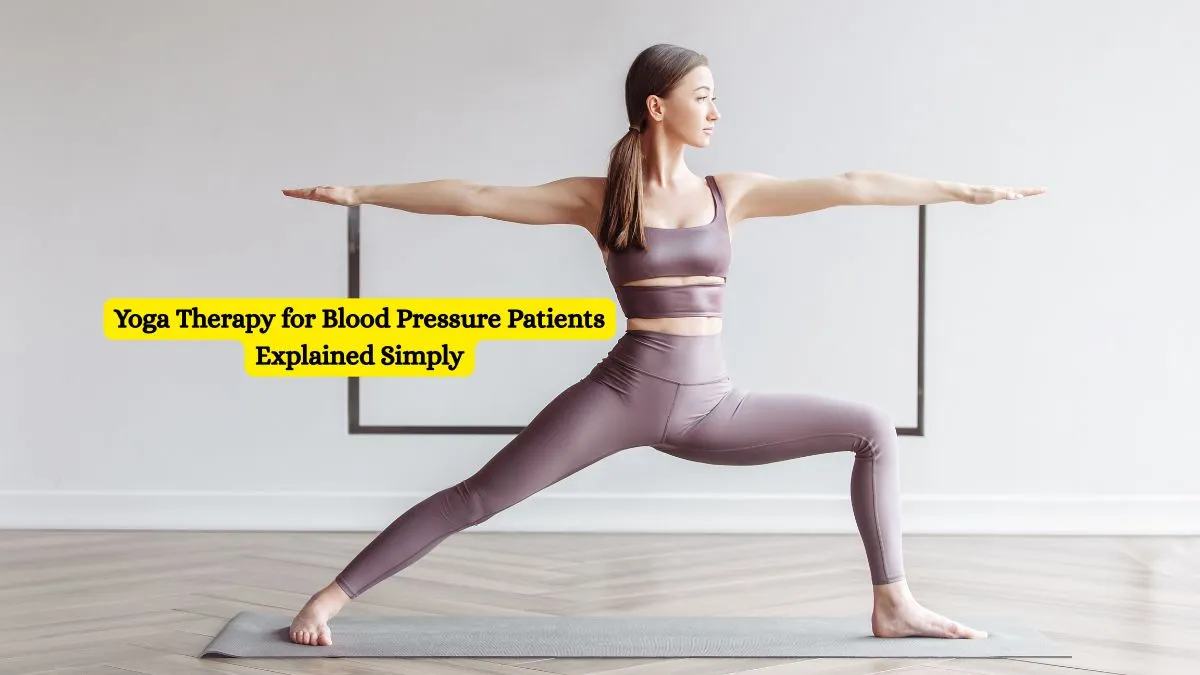
Warrior II builds endurance and leg strength. Step one leg back, bend the front knee, and extend arms out to the sides. Keep your chest open and gaze over your front hand.
Benefits: Enhances leg strength, balance, and stamina while opening the chest.
5. Triangle Pose (Trikonasana)
Triangle Pose stretches the legs, hips, and spine while improving balance. Step legs wide apart, extend one hand toward the floor and the other toward the sky, keeping the chest open.
Benefits: Improves flexibility in the hamstrings and spine, strengthens legs, and stretches hips.
6. Extended Side Angle Pose (Utthita Parsvakonasana)
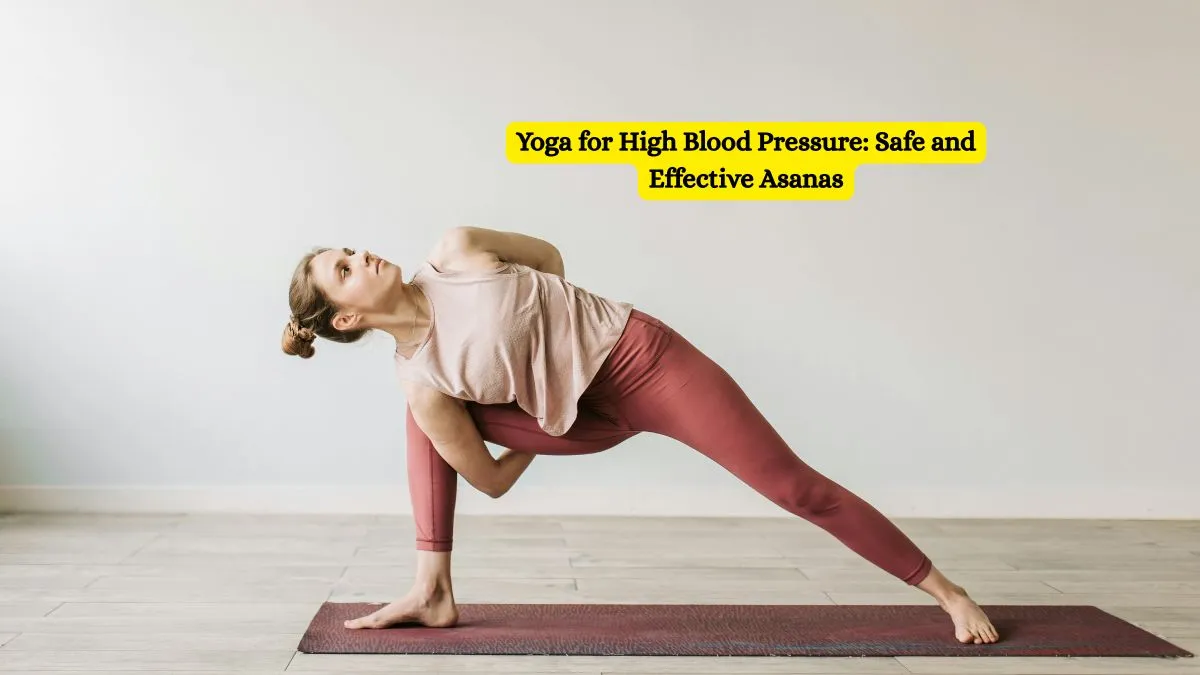
This pose strengthens the legs and stretches the torso. From Warrior II, bend your front knee and place your forearm on your thigh or hand on the floor. Extend your opposite arm over your head for a long stretch.
Benefits: Strengthens legs, stretches sides, and opens the chest and shoulders.
7. Chair Pose (Utkatasana)
Chair Pose builds leg and core strength. Stand with feet hip-width apart, bend your knees as if sitting in an invisible chair, and lift arms overhead. Keep weight in your heels and engage your abdominal muscles.
Benefits: Strengthens thighs, calves, and core while improving posture.
Tips for Standing Beginner Poses
- Focus on alignment: Proper alignment reduces strain and prevents injury.
- Engage your core: Core engagement stabilizes your body and improves balance.
- Breathe deeply: Steady breathing enhances focus and relaxes muscles.
- Use a wall or chair for support: Props help beginners maintain stability in challenging poses.
- Practice consistently: Short daily sessions improve strength and flexibility over time.
Standing yoga poses are essential for beginners to build a strong foundation. By practicing these 7 poses, you can improve strength, flexibility, balance, and posture.
With consistent practice and mindful attention to alignment and breathing, these poses will support a healthier, stronger, and more flexible body.
FAQs
Q1: How long should I hold each standing yoga pose?
A1: Beginners can start by holding each pose for 20–30 seconds, gradually increasing as strength and balance improve.
Q2: Can these poses help with back pain?
A2: Yes, standing poses like Mountain, Warrior, and Triangle improve posture, strengthen the back, and relieve tension.
Q3: How often should beginners practice these poses?
A3: Practicing 3–5 times a week for 15–20 minutes is effective for building strength and flexibility.
Yoga for Chronic Headaches: Simple Asanas That Really Work
Yoga for High Blood Pressure: Safe and Effective Asanas
Yoga Therapy for Blood Pressure Patients Explained Simply
The 15 Best Yoga Poses to Build Better Balance
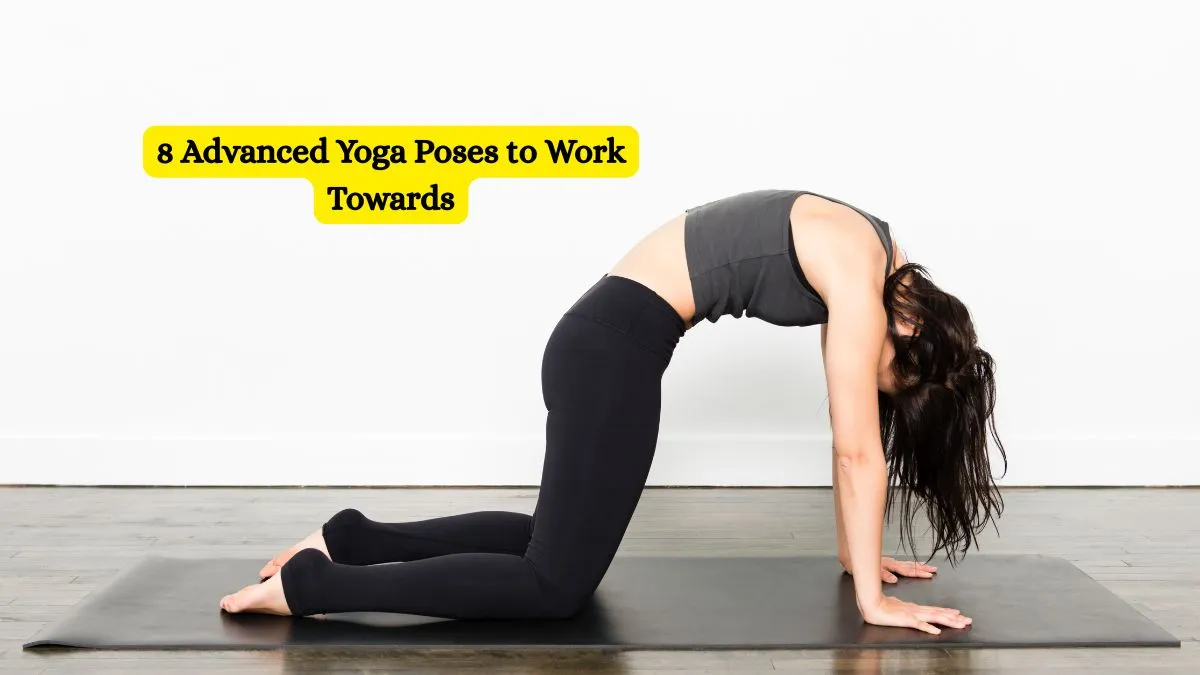
8 Advanced Yoga Poses to Work Towards