Strong hips are essential for overall balance, mobility, and stability. Weak hip muscles can lead to poor posture, knee pain, and difficulty maintaining balance. Yoga is a gentle yet effective way to strengthen the hips, improve flexibility, and enhance body awareness.
Here are 4 yoga poses specifically designed to build hip stability and balance.
1. Tree Pose (Vrksasana)
Tree Pose is a classic balance pose that strengthens the hips and legs.

How to do it:
- Stand tall with feet hip-width apart.
- Shift weight onto one leg and place the sole of the opposite foot on your inner thigh or calf (avoid the knee).
- Bring hands to the chest or overhead and gaze at a fixed point.
Benefits: Improves hip stability, strengthens glutes and thighs, and enhances overall balance.
2. Warrior III (Virabhadrasana III)
Warrior III builds strength and balance while engaging the hips, core, and legs.
How to do it:

- Stand with feet together and hinge forward at the hips.
- Lift one leg straight back while keeping your torso parallel to the floor.
- Extend arms forward or alongside the body, forming a straight line from head to lifted foot.
Benefits: Strengthens hip stabilizers, hamstrings, and glutes while improving focus and balance.
3. Side-Lying Leg Lift (Modified Yoga Version)
This pose targets hip stabilizers and enhances lateral balance.
How to do it:
- Lie on one side with legs stacked.
- Lift the top leg to a comfortable height while keeping hips aligned.
- Hold for a few breaths and switch sides.
Benefits: Strengthens gluteus medius and hip abductors, improving lateral stability and balance.

4. Chair Pose with Side Reach (Utkatasana Variation)
Adding a side stretch to Chair Pose engages the hips and challenges balance.
How to do it:
- Stand with feet hip-width apart, bend knees as if sitting in a chair.
- Lift arms overhead and gently lean to one side, keeping the core engaged.
- Return to center and repeat on the other side.
Benefits: Strengthens thighs, glutes, and hip stabilizers while improving lateral balance and flexibility.
Tips for Improving Hip Stability and Balance
- Engage your core: A strong core supports hip stability and prevents wobbling.
- Focus on alignment: Proper foot and hip alignment are essential for safe balance training.
- Use a wall for support: Beginners can use a wall or chair to maintain balance initially.
- Practice regularly: Short daily sessions are more effective than occasional long sessions.
- Breathe mindfully: Steady breathing improves focus and body awareness.
Strong and stable hips are key to maintaining balance, preventing injuries, and improving overall mobility. Practicing these 4 yoga poses regularly can strengthen the hip muscles, enhance flexibility, and sharpen your sense of balance.
With consistent practice and mindful attention, you’ll notice improved stability in daily movements and greater control in more advanced yoga poses.
FAQs
Q1: How often should I practice these hip stability poses?
A1: Practicing 3–5 times a week for 10–15 minutes can significantly improve hip strength and balance.
Q2: Can these poses help reduce hip or knee pain?
A2: Yes, strengthening hip stabilizers supports proper alignment and reduces stress on knees and lower back.
Q3: Are these poses suitable for beginners?
A3: Absolutely. Start with support from a wall or chair if needed, and gradually increase balance challenges.

Yoga for Chronic Headaches: Simple Asanas That Really Work

Yoga for High Blood Pressure: Safe and Effective Asanas

Yoga Therapy for Blood Pressure Patients Explained Simply

The 15 Best Yoga Poses to Build Better Balance
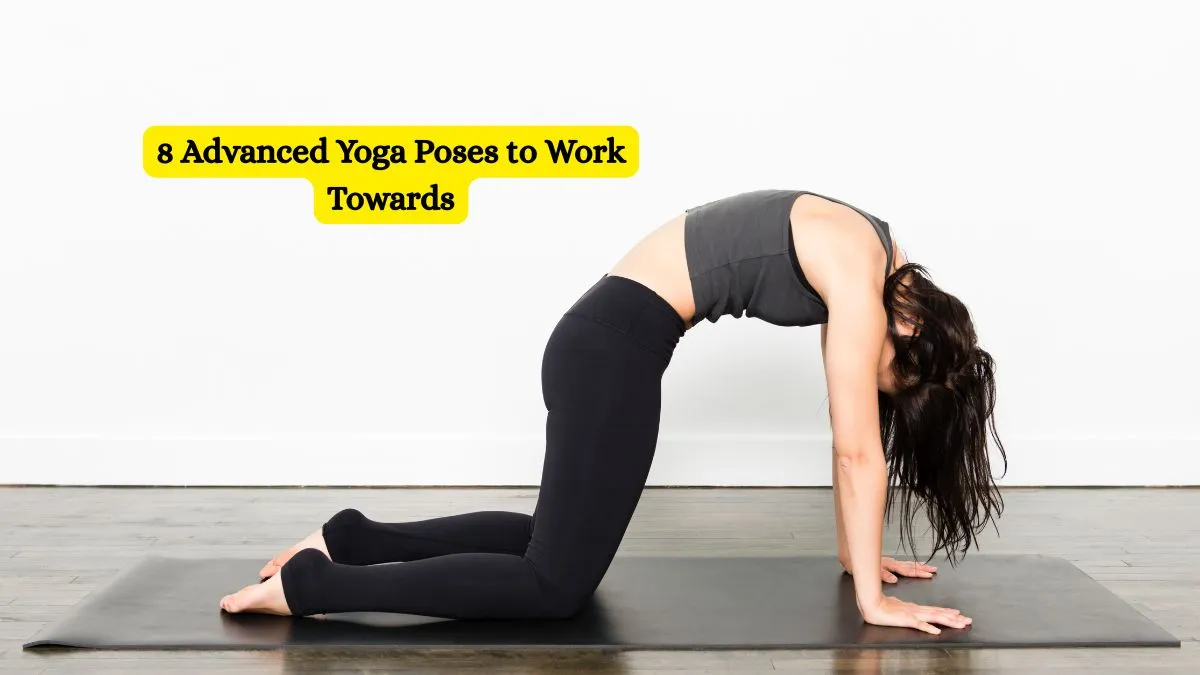
8 Advanced Yoga Poses to Work Towards