
In today’s screen-heavy world, eye strain, dryness, headaches, and blurred vision have become everyday complaints. Long hours on phones, laptops, and TVs force our eye muscles to work overtime, often without proper rest.
While yoga cannot replace medical treatment or correct serious eye conditions, regular eye-focused yoga practices can help relax eye muscles, improve circulation around the eyes, and reduce fatigue.
This guide explains simple daily yoga asanas and eye exercises that support eye health, along with practical lifestyle tips to protect your vision naturally.
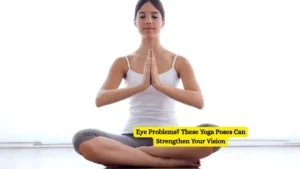
Why Yoga Helps Weak or Tired Eyes?
Your eyes are controlled by tiny muscles that constantly adjust focus and movement. When you stare at screens for hours, these muscles remain tense for too long. Yoga helps by:
- Improving blood flow to the eyes and optic nerves
- Relaxing overworked eye muscles
- Reducing mental stress, which often worsens eye fatigue
- Encouraging mindful blinking and proper focus
Practiced consistently, these techniques can ease discomfort and help maintain clearer vision over time.
Best Yoga Asanas and Eye Exercises for Eye Strain
1. Palming (Hasta Mudra Relaxation)
Palming is one of the most effective yoga techniques for tired eyes.
How to do it:

- Sit comfortably and rub your palms together until warm
- Gently cup your palms over closed eyes
- Do not apply pressure; block out all light
- Breathe slowly for 30–60 seconds
Benefits:
Relaxes eye muscles, reduces dryness, and calms the nervous system.
2. Trataka (Candle Gazing)
Trataka strengthens focus and improves coordination between the eyes and brain.
How to do it:
- Sit upright in a dark room
- Place a candle at eye level, about arm’s length away
- Gaze steadily at the flame without blinking as long as comfortable
- Close your eyes and visualize the flame for a few seconds
Benefits:
Enhances concentration, reduces blur caused by eye fatigue, and improves visual clarity.

3. Bhramari Pranayama (Humming Bee Breath)
This breathing practice relaxes the mind and relieves tension around the eyes.
How to do it:
- Sit in a relaxed posture
- Close your eyes and inhale deeply
- Exhale slowly while making a gentle humming sound
- Repeat 5–7 times
Benefits:
Reduces stress-related eye strain and soothes headaches linked to screen use.
4. Balasana (Child’s Pose)
A deeply restorative pose that calms both body and mind.
How to do it:
- Kneel on the floor and sit back on your heels
- Bend forward, resting your forehead on the mat
- Keep arms relaxed and breathe deeply
Benefits:
Improves blood circulation to the head and eyes, easing pressure and fatigue.
5. Adho Mukha Svanasana (Downward Facing Dog)
This pose gently increases blood flow to the upper body.
How to do it:
- Form an inverted “V” shape with hands and feet on the floor
- Keep your head relaxed between the arms
- Hold for 20–40 seconds
Benefits:
Supports eye nourishment by improving circulation and relieving upper-body tension.
Simple Eye Movements to Practice Daily
In addition to asanas, gentle eye movements are essential:
- Eye rolling: Rotate eyes clockwise and anticlockwise 5 times
- Near and far focus: Shift gaze between your thumb and a distant object
- Blinking practice: Blink rapidly for 10 seconds, then relax
These exercises prevent stiffness and support smoother eye movement.
Daily Routine for Better Eye Health
A simple 10–15 minute daily routine can make a difference:
- Palming – 1 minute
- Eye rotations and blinking – 3 minutes
- Trataka – 2 minutes
- Bhramari Pranayama – 3 minutes
- Balasana or Downward Dog – 3–5 minutes
Consistency matters more than duration. Practice once in the morning or after long screen sessions.
Lifestyle Tips to Support Yoga Benefits
Yoga works best when paired with healthy habits:
- Follow the 20-20-20 rule: Every 20 minutes, look 20 feet away for 20 seconds
- Keep screens slightly below eye level
- Stay hydrated to prevent dry eyes
- Eat foods rich in vitamin A, omega-3, and antioxidants
- Get enough sleep to allow natural eye recovery
Important Note on Eye Conditions
Yoga helps manage functional eye strain, not structural eye diseases. If you experience persistent blurred vision, pain, or sudden vision changes, consult an eye specialist. Yoga should be used as a supportive wellness practice, not a replacement for medical care.
Yoga offers a gentle, natural way to care for your eyes in a digital age. By practicing palming, Trataka, calming pranayama, and restorative poses, you can reduce eye strain, relax tired muscles, and support clearer vision.
Combined with mindful screen habits and proper nutrition, these daily asanas help protect your eyes and improve overall well-being.
FAQs
1. Can yoga improve eyesight naturally?
Yoga helps reduce eye strain and fatigue but does not cure serious vision problems or eliminate the need for glasses.
2. How long does it take to see results from eye yoga?
With daily practice, many people notice reduced strain and dryness within 2–3 weeks.
3. Is Trataka safe for everyone?
Trataka is generally safe but should be practiced gently. Avoid it if you have severe eye infections or glaucoma without medical advice.
Yoga for High Blood Pressure: Safe and Effective Asanas
Yoga Therapy for Blood Pressure Patients Explained Simply

The 15 Best Yoga Poses to Build Better Balance
8 Advanced Yoga Poses to Work Towards
Ready for a Challenge? Add These 10 Advanced Yoga Poses to Your Practice
