Have you ever been drawn in by the calming whispers of strangers speaking softly into microphones? Or felt that delightful tingling sensation on your scalp from gentle tapping or light brushing? If you’ve experienced these captivating “brain tingles,” you’re not alone. But what really lies behind this fascinating phenomenon?
What Exactly Is ASMR?
Let’s start with the basics. ASMR stands for Autonomous Sensory Meridian Response. It’s a fancy way of describing that pleasant, tingling sensation you might feel on your scalp, neck, or spine when you hear certain sounds or see calming visuals.
- Typically triggered by gentle whispers, tapping, or soft, repetitive motions.
- Often described as a “massage for your brain”—relaxing and oddly satisfying.
- Not everyone experiences ASMR, but for those who do, it’s almost addictive.
How Did ASMR Videos Become So Popular?
Ten years ago, if you told someone you watched videos of people crinkling paper for fun, they’d probably look at you sideways. But now, ASMR is everywhere, with entire YouTube channels and TikTok accounts dedicated to it. Why such a massive surge?

- Social media algorithms noticed high engagement with relaxing content.
- People crave stress relief, especially now more than ever.
- Curiosity—once you see someone raving about “brain tingles,” don’t you want to try?
The Science Behind the Tingles
Here’s where it gets fascinating. Scientists are just starting to unravel the mystery. The general consensus? ASMR taps into your body’s relaxation response, almost like meditation or deep breathing.
- Studies suggest ASMR triggers a drop in heart rate, promoting calmness.
- Whispering, personal attention, and soft sounds mimic the comfort of childhood care, which might explain why it feels so soothing.
- Brain scans show increased activity in areas related to emotional arousal and social bonding.
While not everyone gets “tingles,” most people report feeling less anxious and more relaxed after watching ASMR videos.
Why Whispering Works Wonders
So, what’s so special about whispering? Think about the last time someone spoke softly to you. Did you instinctively slow down and pay extra attention?
- Whispering creates a sense of intimacy and safety.
- It often feels like someone is caring for you one-on-one, even through a screen.
- Soft, close-up sounds send signals to your brain that it’s okay to relax.
As humans, we’re wired to respond to gentle tones—especially from caregivers. That’s why so many ASMR creators focus on roleplays like haircuts, doctor visits, or bedtime stories. It’s comforting, even if it’s virtual.

Can ASMR Help Your Mental Health?
Let’s be real—life is stressful. If you’re anything like me, you’re always on the lookout for new ways to unwind. Could ASMR be more than just a quirky trend?
- Many fans say ASMR helps them fall asleep faster and reduces anxiety.
- Some use it to boost mood or focus during work and study sessions.
- While ASMR isn’t a replacement for therapy, it can be a valuable self-care tool.
Researchers agree: while more studies are needed, early evidence shows real benefits for stress relief and sleep quality.
How to Experience ASMR Yourself
Curious if you’re an ASMR responder? Here’s how to find out:
- Search YouTube for “ASMR whispering” or “ASMR triggers.” There’s something for everyone.
- Try videos with different sounds: whispering, tapping, brushing, or crinkling.
- Watch in a quiet, comfortable environment—headphones help!
You might feel tingles on your scalp, a wave of relaxation, or just a general sense of calm. And if you don’t? That’s okay, too—ASMR isn’t universal.

The Takeaway: Is ASMR Worth Trying?
ASMR may seem strange at first, but there’s a reason it’s so popular. Whispering videos and gentle sounds can trigger surprisingly powerful “brain tingles,” helping people all over the world relax and unwind. Who knows? You might find yourself hooked on the next soothing whisper you hear.

VPNs: Do You Really Need One or Is It Just Marketing Hype?

Incognito Mode: Does It Actually Hide Your Browsing from Your ISP?

Subscription Fatigue: How to Find and Cancel Subs You Forgot About

5G Conspiracy: Why The Towers Are Harmless (Physics Explained)
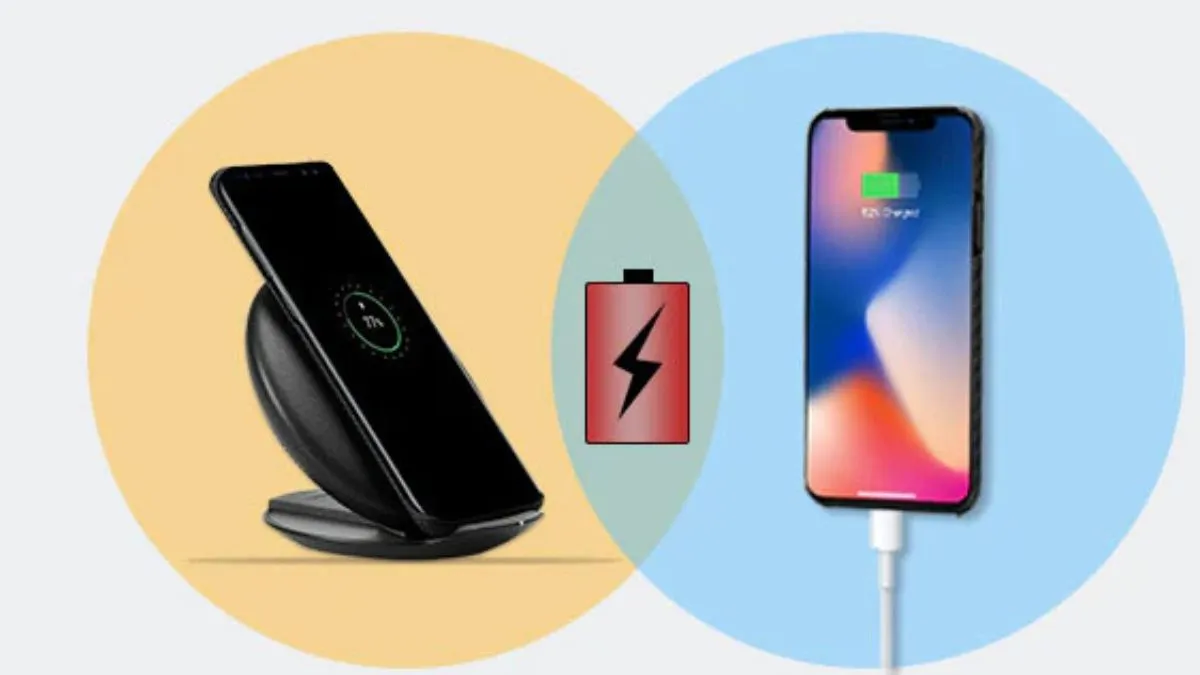
Wireless Charging: Is It Less Efficient Than Plugging In?