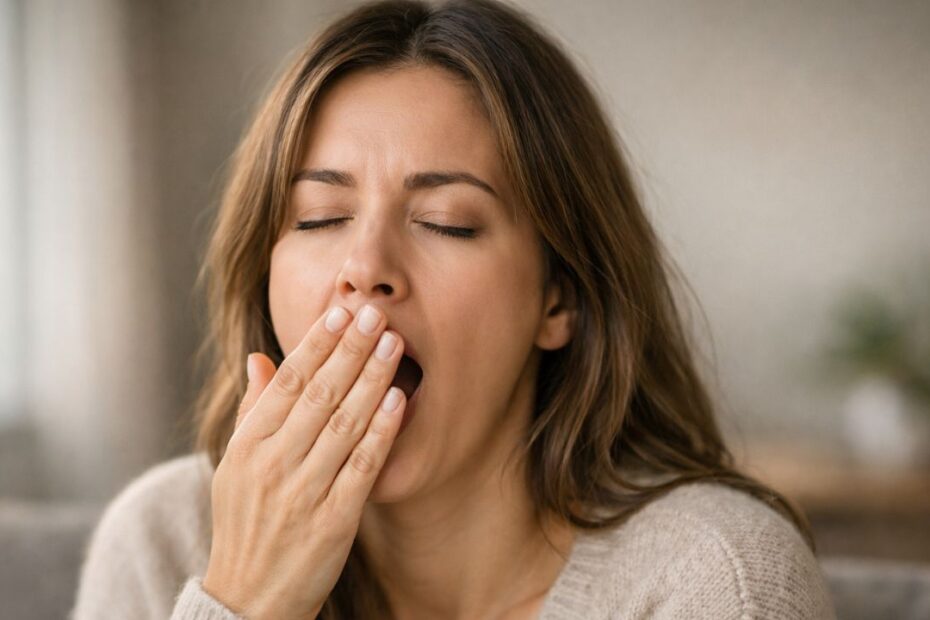
Have you ever noticed a yawn creeping up on you while reading about it? This intriguing reaction is more common than you might think. If you’re fighting off a yawn right now, you’re not alone. But what actually causes this response, and why do we yawn in the first place?
The Yawn Mystery: Not Just About Sleepiness
Most of us think yawning means we’re tired or bored. But is that the whole story? Turns out, scientists aren’t totally sure, but the explanations get more fascinating the deeper you dig.
- Oxygen Theory: For years, people thought we yawned to get more oxygen when we’re drowsy. But newer studies suggest this isn’t the full picture.
- Brain Cooling: Some researchers now believe yawning helps cool our brains, keeping us alert and functioning at our best.
- Social Signal: Others argue yawning evolved as a social cue—kind of like a non-verbal way to communicate.
The Science: What Actually Happens When You Yawn?
Let’s get a little nerdy for a second. When you yawn, your mouth stretches wide, you take a deep breath, and your eardrums even flex a bit. But what’s going on inside?

- Yawning increases your heart rate and might boost blood flow to your brain.
- It stretches your jaw muscles and can help equalize pressure in your ears.
- The rush of air might help cool your brain—like opening a window in a stuffy room.
Most experts agree: the real purpose of yawning is still up for debate, but these physical changes are consistently observed.
Why Is Yawning So Contagious?
Now for the fun part—why are you probably yawning right now? Yawning is ridiculously contagious. Even reading the word “yawn” (sorry!) can set you off.
- Studies show around 60-70% of people will yawn after seeing or thinking about yawning.
- This happens in humans, chimpanzees, and even dogs!
- Some scientists think contagious yawning is linked to empathy—people who are more empathetic tend to catch yawns more easily.
So, if you’re a serial yawn-catcher, you might just be extra in tune with others’ feelings. Not a bad thing!
More Than Just Drowsiness: When Do We Yawn?
Yawning isn’t limited to sleepy moments. We yawn:

- When we wake up or wind down for sleep
- During stressful or boring situations
- Right before important moments (think athletes before a big competition)
It’s almost like your body’s way of hitting a reset button—prepping you for whatever comes next.
Do Animals Yawn Too?
Absolutely! If you’ve ever seen your cat do a slow, dramatic yawn, they’re not alone. Lots of animals yawn, and for similar reasons.
- Primates, dogs, birds, and even fish have all been caught mid-yawn.
- In social species, yawning can help coordinate group behavior—like syncing up nap times or signaling alertness.
The general scientific consensus? Yawning is a universal behavior with deep evolutionary roots.
Can You Stop a Yawn?
So, what if you’re sitting in a meeting, desperately trying not to yawn? While you can’t always stop a yawn, you can try to stifle it—cover your mouth, take a few deep breaths, and distract yourself. But honestly: why fight it?

Why You Just Yawned
If you’re yawning as you reach the end of this article, you’re not alone. There’s something almost magical about how our brains sync up around this tiny, universal action. The next time it happens, you’ll know: it’s not just boredom—it’s biology, empathy, and maybe even a little bit of evolutionary history at work.
So, did you yawn? (I’ll admit, I did. Writing about it is just as contagious!)

VPNs: Do You Really Need One or Is It Just Marketing Hype?

Incognito Mode: Does It Actually Hide Your Browsing from Your ISP?

Subscription Fatigue: How to Find and Cancel Subs You Forgot About

5G Conspiracy: Why The Towers Are Harmless (Physics Explained)
Wireless Charging: Is It Less Efficient Than Plugging In?