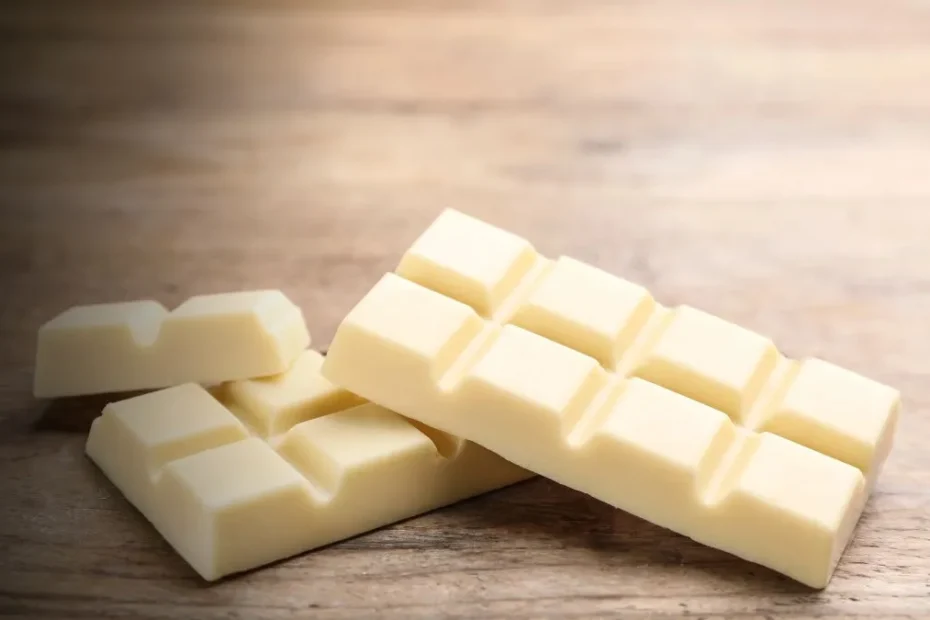
Have you ever picked up a bar of white chocolate and questioned its true identity? You’re in good company—this delightful confection ignites intriguing discussions among dessert enthusiasts and chocolate aficionados.
So, what’s the real story behind white chocolate? Let’s unravel the mystery together!
The Secret Ingredient That Makes Chocolate…Chocolate
When you think of chocolate, what comes to mind? Probably that deep, rich flavor and smooth texture. But did you know there’s a specific ingredient that separates real chocolate from the rest?

- Cocoa solids—that’s the key. They give chocolate its color, flavor, and all those antioxidants people rave about.
- Milk chocolate and dark chocolate both have cocoa solids. Even baking chocolate does!
But here’s where it gets interesting: white chocolate doesn’t contain any cocoa solids at all. Sounds odd, right?
What’s Actually Inside White Chocolate?
So if white chocolate isn’t made with cocoa solids, what’s in it? According to the consensus among chocolatiers and food scientists, white chocolate is a blend of:
- Cocoa butter (the fat pressed from cocoa beans)
- Sugar
- Milk solids
- Sometimes a dash of vanilla for flavor
No cocoa powder, no chocolate liquor—just the creamy fat extracted from cocoa beans. That’s why it’s pale and mild, not dark and bold.
Why Isn’t White Chocolate “Real” Chocolate?
Here’s the twist: by strict standards set by experts and regulatory bodies (like the FDA and the European Union), something can only be called “chocolate” if it contains cocoa solids. Since white chocolate is missing those, it’s technically not real chocolate.

- The FDA requires a product labeled chocolate to have cocoa liquor or cocoa powder.
- White chocolate only needs to have a minimum amount of cocoa butter—at least 20% in the U.S.
- It can’t be called “milk chocolate” unless it has the actual solids and not just the fat.
I was pretty surprised when I first learned this—were you?
But Wait—Why Do People Still Love It?
Even if it isn’t technically chocolate, white chocolate still has a loyal following. Why?
- It’s creamy, smooth, and super sweet.
- Pairs perfectly with fruits, cookies, and even matcha.
- People who find dark chocolate too bitter love its mellow taste.
Plus, cocoa butter is a luxury ingredient. It gives white chocolate that melt-in-your-mouth feel you can’t get from just any candy.
Is White Chocolate Good for You?
This is a question I get all the time. While dark chocolate gets lots of love for its antioxidants, white chocolate isn’t quite the same.

- No cocoa solids mean no flavonoids (the healthy plant compounds).
- It’s higher in sugar and fat compared to darker varieties.
- But cocoa butter does contain healthy fats and some vitamins!
So, enjoy it as a treat, but if you’re after health perks, stick to the darker stuff.
The Final Verdict: Chocolate or Not?
At the end of the day, the verdict from food experts is clear: white chocolate is delicious, but it doesn’t check all the boxes to be called real chocolate.
But does that really matter for your taste buds? If you love white chocolate, don’t let the technicalities stop you from enjoying it! Sometimes, rules are made to be broken—especially in the world of sweets.
What Do You Think?
Do you feel differently about white chocolate now? Or does it still have a special place in your snack drawer? Let me know—which team are you on: dark, milk, or white?

VPNs: Do You Really Need One or Is It Just Marketing Hype?

Incognito Mode: Does It Actually Hide Your Browsing from Your ISP?

Subscription Fatigue: How to Find and Cancel Subs You Forgot About

5G Conspiracy: Why The Towers Are Harmless (Physics Explained)
Wireless Charging: Is It Less Efficient Than Plugging In?