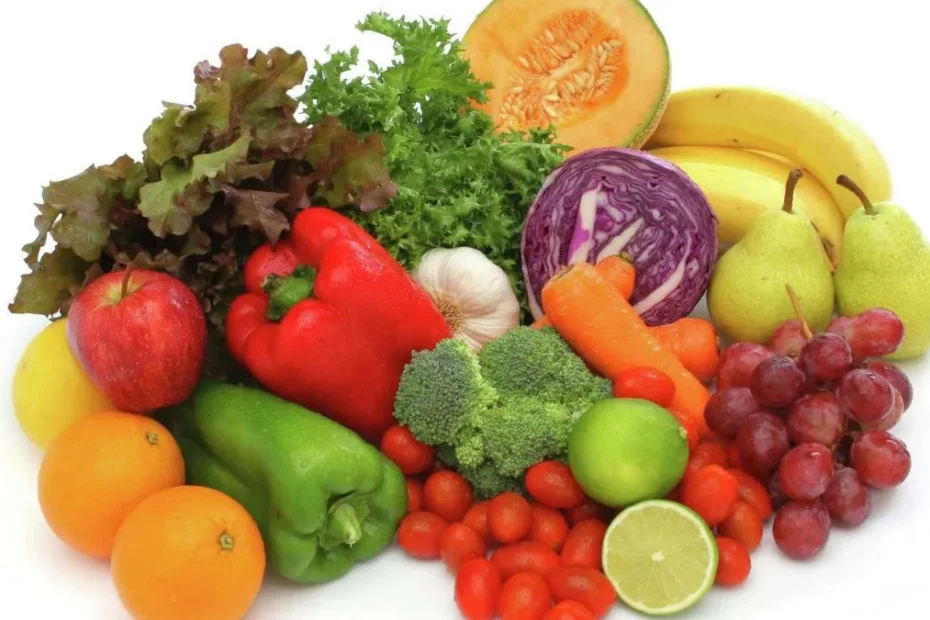
Have you ever wondered what could be hiding on your beloved salad greens? As we aim for nutritious meals, the unexpected presence of pesticides prompts us to rethink what we’re really eating.
Let’s dig into the “Dirty Dozen”—the vegetables infamous for carrying the highest pesticide residues, based on yearly reports and the consensus of nutrition experts worldwide. Should you be worried, or is it all just hype?
What is the “Dirty Dozen”?
Every year, the Environmental Working Group (EWG) releases its “Dirty Dozen” list. This list highlights the fruits and vegetables with the highest pesticide residues, even after washing and peeling.

Why does this matter? Because you and I want to eat healthy, but not at the cost of exposing ourselves to unnecessary chemicals.
- Compiled from thousands of produce samples
- Reflects data from U.S. Department of Agriculture (USDA) and Food and Drug Administration (FDA)
- Respected by nutritionists and health experts worldwide
Which Vegetables Make the List?
While fruits often get the spotlight, several common vegetables are regulars on the “Dirty Dozen.” Here’s the 2024 lineup of veggies you might want to keep an eye on:
- Spinach – Perennially near the top due to multiple pesticide residues per sample.
- Kale, Collard & Mustard Greens – Recent testing found up to 21 different pesticides in a single sample.
- Celery – Its porous stalks easily absorb pesticides, making washing less effective.
- Bell & Hot Peppers – Known for residues of potentially neurotoxic pesticides.
- Green Beans – Often contaminated with older, even banned, pesticides.
Other vegetables sometimes showing up include potatoes, tomatoes, and lettuce.
Why Are Pesticides a Concern?
You might wonder: Are pesticide residues really that big of a deal? The general consensus is that long-term exposure, even in small amounts, could potentially impact health—especially in children and pregnant women.

- Linked to hormonal disruption and neurological problems
- Possible increased risk of certain cancers with heavy exposure
- Some pesticides are more harmful than others
Regulators insist levels are safe, but many nutritionists recommend minimizing exposure where possible. After all, wouldn’t you prefer your veggies without the chemical aftertaste?
Washing Isn’t Always Enough
Think a quick rinse solves the problem? Not always. Many pesticides are designed to withstand rain and washing.
- Some residues soak deep into the plant
- Peeling can help, but nutrients can be lost
- Organic options often contain fewer or no synthetic chemicals
You and I might feel frustrated, but there are practical ways to reduce risk without giving up on our greens.
How to Protect Yourself
So, what can you do? Here’s the expert-backed strategy:

- Buy organic versions of Dirty Dozen vegetables when possible
- Wash thoroughly under running water (skip the soap!)
- Peel where appropriate, though you may lose fiber and nutrients
- Mix up your veggie choices with items from the “Clean Fifteen” (produce with least pesticides)
Remember: Eating any vegetables—conventional or organic—is better than skipping them altogether. Don’t let the fear of pesticides keep you from enjoying your greens.
Final Thoughts: Should You Be Worried?
Here’s what most nutritionists agree on: The benefits of eating vegetables far outweigh the risks of pesticide residues, but being aware helps you make smarter choices.
- Prioritize organic for high-risk veggies if you can
- Keep eating a rainbow of produce
- Stay informed—lists like the Dirty Dozen help you focus your efforts
So, next time you’re at the store, you and I both can shop a little smarter. Curious which veggies made the Clean Fifteen this year? That’s a story for another day!

VPNs: Do You Really Need One or Is It Just Marketing Hype?

Incognito Mode: Does It Actually Hide Your Browsing from Your ISP?

Subscription Fatigue: How to Find and Cancel Subs You Forgot About

5G Conspiracy: Why The Towers Are Harmless (Physics Explained)

Wireless Charging: Is It Less Efficient Than Plugging In?