Have you ever wondered why fixing your phone feels more difficult than ever? If you’ve recently faced issues like a cracked screen or a dead battery, you’re certainly not alone. Is this just a byproduct of advancing technology, or could there be more significant factors at play?
Why the Right to Repair Matters to You
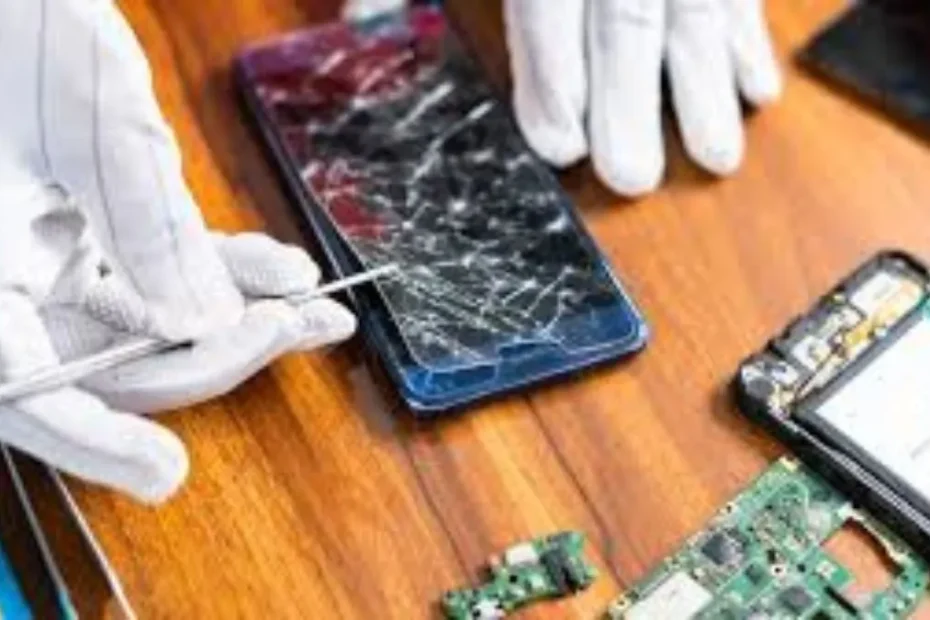
Picture this: your phone drops, the screen shatters, and you want a quick, affordable fix. But suddenly, it feels impossible. Why?
- Parts are hard to find.
- Repairs void your warranty.
- Repair guides are nowhere to be found.
The ‘Right to Repair’ is a growing movement demanding that companies let you fix your own tech. Makes sense, right? According to experts and consumer advocates, giving people power over their devices saves money and helps the environment. The consensus is clear: fixing shouldn’t be a luxury.

How Manufacturers Are Locking Down Repairs
So, why are phone makers putting up so many hurdles? It turns out, it’s not just about keeping up with technology.
- Proprietary screws and sealed designs make opening devices almost impossible without special tools.
- Parts pairing: Some phones now check if a new screen or battery matches authorized serial numbers, disabling features if it’s not a ‘genuine’ part.
- Software locks can stop your phone from working after an “unauthorized” repair, even if everything is fixed correctly.
It’s a trend you can see across almost every big phone brand. According to repair experts at iFixit and consensus in tech media, phones have become less repairable in the last decade.
Why Are Companies Doing This?
Let’s be honest: the official reason is usually “to protect quality and safety.” Manufacturers say they want to make sure only trained pros fix their phones, avoiding fires or malfunctions. Sounds reasonable, right?
- Safety concerns: Batteries are tricky, and improper repairs can be risky.
- Brand experience: Companies want their devices to work perfectly after every repair.
- Intellectual property: Some claim repair manuals and parts lists are trade secrets.
But here’s what critics and right-to-repair supporters will tell you: making repairs difficult also helps companies sell you a new phone sooner. The less fixable your device, the sooner you’ll have to upgrade.

The Impact on Your Wallet and the Planet
Who pays the price for all these barriers? You do. And so does the environment.
- Repairs at official centers can cost almost as much as a new device.
- Millions of phones end up in landfills each year, creating e-waste.
- Low-income users can’t afford costly fixes and are forced to buy used or new phones.
According to studies cited by environmental experts, making phones easier to repair could save billions in waste and lower the carbon footprint of our gadgets.
What’s Changing (and What Isn’t)
There’s hope. Right-to-repair laws are gaining ground in places like the US and Europe. Some companies have started selling parts or offering repair guides—but only for select models.
- Apple and Samsung now offer self-repair kits for certain devices—but the process can still be complicated.
- Tech companies are under pressure from governments and the public to do more.
- Online repair communities and third-party shops keep fighting for your right to fix.
Still, most phones are harder to repair than ever. The fight isn’t over yet.

What Can You Do?
Frustrated with the repair runaround? Here’s what you can try:
- Support brands that back the right to repair—look for repairability scores before you buy.
- Join campaigns and sign petitions for right-to-repair laws in your area.
- Use trusted local repair shops and ask about genuine vs. aftermarket parts.
- Share your repair stories online—manufacturers are listening!
At the end of the day, your device should work for you—not just the companies that make them. Wouldn’t it be nice if fixing your phone didn’t feel like hacking a secret vault?

Incognito Mode: Does It Actually Hide Your Browsing from Your ISP?

Subscription Fatigue: How to Find and Cancel Subs You Forgot About

5G Conspiracy: Why The Towers Are Harmless (Physics Explained)
Wireless Charging: Is It Less Efficient Than Plugging In?
Screen Protectors: Glass vs Plastic – Which Actually Saves Your Screen?