

Anxiety often does not arrive loudly. It shows up quietly through tight shoulders, shallow breathing, restless thoughts, and a constant sense of unease in the body. Many people try to calm the mind first, but anxiety lives just as much in the nervous system as it does in thoughts. This is where a slow yoga flow becomes especially powerful.
Unlike fast or intense workouts, slow yoga works with the body’s natural rhythms. It gently signals safety to the nervous system, helping it shift out of stress mode and into a state of calm and balance.
Over time, this approach can reduce anxiety, improve sleep, and restore a sense of inner steadiness.

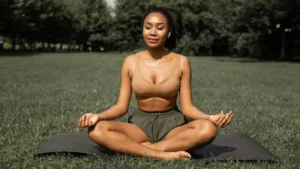
Understanding Anxiety and the Nervous System
The nervous system has two main modes. One is the stress response, often called “fight or flight.” The other is the relaxation response, known as “rest and digest.” Anxiety occurs when the body spends too much time in stress mode, even when there is no immediate danger.
Modern life encourages this imbalance. Constant notifications, long work hours, poor sleep, and emotional pressure keep the nervous system alert. Even when the mind wants to relax, the body may remain tense.
Slow yoga flow directly addresses this problem by calming the body first. When the body feels safe and supported, the nervous system begins to relax, and the mind naturally follows.
Why Slow Yoga Is Effective for Anxiety?
Slow yoga is not about stretching deeply or achieving perfect poses. It is about moving with awareness, breathing slowly, and allowing the body to soften. Each movement is deliberate and connected to the breath, which sends calming signals to the brain.
Holding poses for longer periods allows muscles to release stored tension. Gentle transitions prevent sudden spikes in heart rate or stimulation. This steady pace reassures the nervous system that it can let go of alertness.
Unlike vigorous yoga styles that may feel energizing, slow yoga is grounding. It helps you feel present, supported, and anchored in your body, which is essential for easing anxiety.
How Slow Yoga Flow Restores Nervous System Calm?
A slow yoga flow influences the nervous system in several important ways:
First, it activates the parasympathetic nervous system. This part of the nervous system lowers heart rate, slows breathing, and reduces stress hormone levels. The body begins to shift from survival mode to healing mode.
Second, slow movement improves body awareness. Anxiety often pulls attention into the future or past. Slow yoga brings attention back to physical sensations, helping interrupt anxious thought loops.
Third, it improves breathing patterns. Anxiety causes shallow, rapid breathing. Slow yoga encourages deep, steady breaths that calm the brain and improve oxygen flow.
Finally, it creates a sense of routine and predictability. Practicing slow yoga regularly builds trust between the mind and body, making it easier to relax over time.
Key Elements of a Slow Yoga Flow for Anxiety
A slow yoga flow designed for anxiety focuses on simplicity and comfort. Movements are gentle and repetitive rather than complex. The emphasis is on how the pose feels, not how it looks.
Breathing is slow and controlled, often guided by counting or gentle cues. Inhales feel spacious, and exhales are long and soft, encouraging release.
Resting poses are an essential part of the flow. Pausing allows the nervous system to integrate the calming effects of movement. Silence or soft background sounds further enhance relaxation.
The practice often ends with extended rest, allowing the body to fully absorb the calming signals.
Emotional Benefits Beyond Physical Relaxation
Slow yoga does more than relax muscles. It creates emotional safety. Many people with anxiety feel disconnected from their bodies due to chronic tension or stress. Slow yoga gently rebuilds that connection.
As the body relaxes, emotions may surface. This is a natural part of nervous system regulation. Instead of suppressing feelings, slow yoga allows them to move through without judgment.
Over time, practitioners often report feeling more emotionally resilient. Stressful situations feel less overwhelming, and recovery from anxiety becomes faster. The nervous system learns that calm is possible and accessible.
How Often to Practice for Best Results?
Consistency matters more than duration. Practicing slow yoga for 15 to 30 minutes several times a week can create noticeable changes. Daily practice, even in short sessions, is especially effective for nervous system regulation.
Slow yoga can be practiced at any time of day. Morning sessions set a calm tone for the day, while evening sessions help release accumulated stress and improve sleep.
Listening to the body is essential. Some days may call for very gentle movement or longer rest. Respecting these signals reinforces trust and safety within the nervous system.
Long-Term Impact on Anxiety Management
With regular practice, slow yoga trains the nervous system to respond differently to stress. Triggers that once caused intense anxiety may feel more manageable. Breathing becomes a natural tool for calming down. Awareness replaces reactivity.
Slow yoga does not eliminate challenges, but it changes how the body responds to them. This shift is subtle yet powerful, supporting long-term emotional well-being.
A slow yoga flow offers a compassionate and effective way to release anxiety and restore nervous system calm. By combining gentle movement, mindful breathing, and intentional rest, it helps the body feel safe again.
Over time, this practice retrains the nervous system, making calmness more accessible in everyday life. Slow yoga is not about pushing limits; it is about creating space for healing, balance, and inner peace.
FAQs
1. Can beginners practice slow yoga for anxiety?
Yes, slow yoga is ideal for beginners because it focuses on gentle movement and awareness rather than flexibility or strength.
2. How quickly can slow yoga reduce anxiety symptoms?
Many people feel calmer after one session, but consistent practice over several weeks brings deeper, lasting benefits.
3. Is slow yoga better than meditation for anxiety?
Slow yoga and meditation complement each other; yoga is especially helpful for people who struggle to sit still.

Yoga Techniques That Help Reduce Inflammation and Support Long-Term Health
How Yoga Enhances Mindfulness and Builds a Healthier Relationship With Stress
Yoga for Emotional Healing: Poses That Help Release Stored Stress and Trauma

Chair Yoga Exercises That Improve Mobility and Reduce Joint Stiffness
Evening Yoga Routine Designed to Relax Muscles and Prepare You for Sleep
