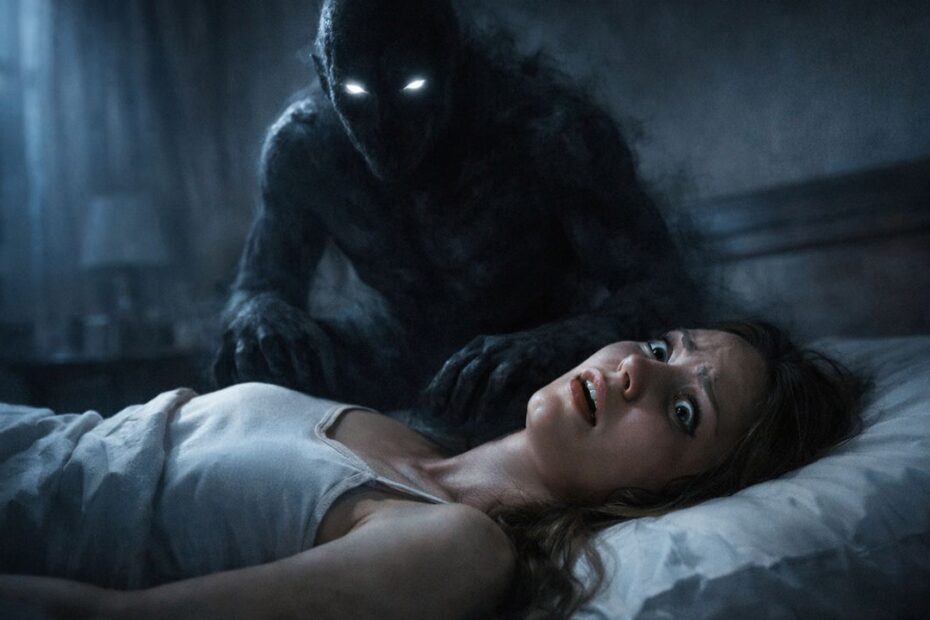
Have you ever experienced the unsettling sensation of being awake yet unable to move, as if a heavy weight were pressing down on you? Maybe you even noticed a shadowy figure or felt an eerie presence nearby. If this sounds familiar, you’re not alone—this intriguing phenomenon is called sleep paralysis, and it’s more common (and understandable) than many people think.
What Is Sleep Paralysis, Really?
Let’s break it down. Sleep paralysis is a phenomenon where you wake up (or fall asleep) and can’t move your body for a few seconds or even minutes. Sounds terrifying, right? But there’s a logical explanation behind those spooky experiences.
- It happens during transitions in and out of REM (Rapid Eye Movement) sleep.
- Your mind wakes up before your muscles do—leaving you aware but immobile.
- It often comes with vivid hallucinations, both visual and physical.
If you’ve ever wondered, “Why is this happening to me?”—you’re definitely not the only one.

Why Do People See ‘Demons’ During Sleep Paralysis?
This is where things get extra weird (and a little fascinating). Many people report the sensation of a sinister presence or even see a shadowy figure—sometimes interpreted as a demon or ghost. But don’t worry; science has your back on this one.
- During REM sleep, your brain is super active and your dreams are vivid.
- When you wake up but your body is still paralyzed, your mind can blend dream imagery with reality.
- This combination creates hallucinations—like feeling a weight on your chest or seeing figures that aren’t really there.
Experts in sleep medicine agree: these experiences are a natural result of disrupted REM cycles, not evidence of something supernatural.
How Common Is Sleep Paralysis?
It might surprise you, but sleep paralysis is much more common than people admit. In fact, studies suggest that up to 8% of the general population will experience it at least once in their lives.
- It’s especially common among students and shift workers—anyone with irregular sleep schedules.
- Stress, lack of sleep, and even genetics can play a role.
- Most people only experience it once or twice, but some have it more frequently.
So if it’s happened to you, you’re in good company. The general medical consensus? It’s benign, though understandably alarming.

What Causes Sleep Paralysis?
Let’s get into the nitty-gritty. You and I both know that life can be stressful, and that’s part of the problem. Experts agree there are a few main triggers:
- Sleep deprivation: Not getting enough rest is a huge culprit.
- Irregular sleep patterns: Pulling all-nighters or changing your sleep schedule can disrupt your REM cycles.
- Stress and anxiety: The more anxious you are, the more likely you are to have sleep disturbances.
- Other sleep disorders: Conditions like narcolepsy can increase your risk.
Sound familiar? Addressing these factors often makes a big difference.
What Should You Do If It Happens?
If you experience sleep paralysis, don’t panic. I know, easier said than done. Here’s what experts recommend:
- Focus on controlling your breathing—slow and steady helps reduce panic.
- Try to wiggle your fingers or toes to break the paralysis.
- Remind yourself that it’s temporary (and harmless, even if it feels scary).
Long-term, prioritize good sleep hygiene. Go to bed and wake up at the same time, reduce stress before bedtime, and make your sleep environment comfortable.

When Should You See a Doctor?
Most of the time, sleep paralysis is just a weird blip on the radar. But if it’s happening a lot or is seriously affecting your sleep, it might be time to talk to a sleep specialist. Especially if you’re also feeling excessively sleepy during the day or have other unusual symptoms.
- Frequent episodes can be linked to other sleep issues like narcolepsy or sleep apnea.
- Getting professional advice can rule out more serious conditions and help you sleep better.
The Bottom Line
Sleep paralysis can feel terrifying—like something out of a horror movie. But once you know the science behind it, it’s a lot less mysterious. Remember, you’re not being visited by anything creepy; it’s just your brain and your sleep cycles doing strange things.
So the next time you wake up feeling frozen, just know: you’re not alone, it’s not dangerous, and there’s plenty you can do to keep those night-time ‘demons’ away.

VPNs: Do You Really Need One or Is It Just Marketing Hype?

Incognito Mode: Does It Actually Hide Your Browsing from Your ISP?

Subscription Fatigue: How to Find and Cancel Subs You Forgot About

5G Conspiracy: Why The Towers Are Harmless (Physics Explained)
Wireless Charging: Is It Less Efficient Than Plugging In?