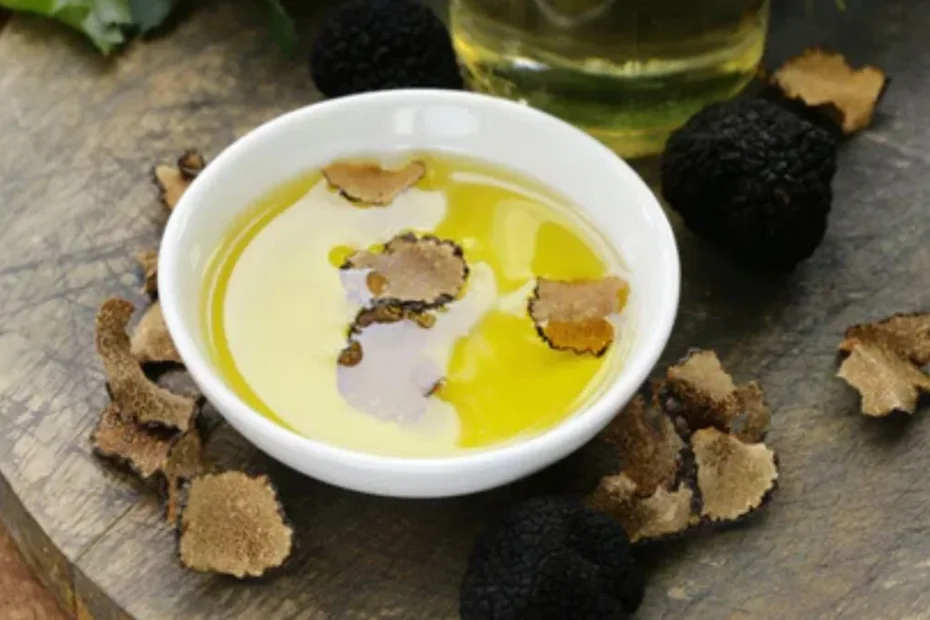
Have you ever drizzled premium truffle oil over your fries and wondered if you’re truly savoring the real deal? You’re not alone in that thought! While truffle oil is synonymous with luxury, the truth about what’s actually in that bottle might surprise you.
What Exactly Is Truffle Oil?
Let’s start with the basics. Truffle oil is sold as a gourmet product, promising the unique aroma and flavor of rare truffles—those earthy, fragrant fungi prized in upscale cuisine.
- Usually comes in olive or grapeseed oil base.
- Labeled as ‘white truffle’ or ‘black truffle’ flavored.
- Beloved by home cooks and restaurant chefs alike.
But is there really any truffle in your truffle oil? Here’s where things get interesting.

The Big Secret: What’s Actually in That Bottle?
Most truffle oils on the market contain zero actual truffle. Sounds wild, right?
- Instead, manufacturers use synthetic flavorings.
- The main compound is usually 2,4-dithiapentane—a lab-made aroma that mimics truffle scent.
- It’s designed to fool your nose (and taste buds) into thinking you’re experiencing real truffles.
If you’re shocked, you’re not alone! According to culinary experts and chefs worldwide, the vast majority of truffle oils are artificially flavored. This is the industry standard, not the exception.
Why Don’t Most Truffle Oils Use Real Truffles?
The answer comes down to rarity, cost, and stability.
- Truffles are scarce and expensive—sometimes more valuable than gold per ounce!
- They spoil quickly, making them hard to infuse into oils without losing flavor.
- Natural truffle-infused oils have a short shelf life and are even pricier.
So, most brands opt for shelf-stable synthetic aromas instead. It’s cheaper, easier, and can be produced at scale.

How to Spot the Real Deal
Now that you know the truth, you’re probably wondering how to tell if a bottle actually contains real truffles.
- Check the label. Look for words like “truffle aroma” or “truffle flavor”—these signal synthetic ingredients.
- If you see “truffle extract” or “truffle pieces” high on the ingredient list, that’s a good sign (but still rare!).
- Expect to pay a lot more for authentic truffle-infused oil.
Most supermarket truffle oils? Purely artificial. Specialty shops and premium brands might offer real truffle oil, but it’ll cost you.
Is Fake Truffle Oil Bad?
Let’s be real: does it matter if there are no real truffles in your truffle oil?
- The synthetic aroma is undeniably strong, sometimes overpowering.
- Many chefs say it lacks the complexity and subtlety of real truffles.
- But it’s also affordable and widely available, making it a gateway for curious foodies.
So, if you love the taste, there’s no shame in using it! Just know what you’re actually getting.

The Takeaway
Next time you reach for that bottle of truffle oil, you’ll know exactly what you’re drizzling. The vast majority contain no real truffles—just lab-made compounds capturing the essence. But hey, isn’t it kind of fun to crack the mystery behind one of the world’s most hyped ingredients?
Have you tried both real and synthetic truffle oil? Which do you prefer—I’d love to know!

VPNs: Do You Really Need One or Is It Just Marketing Hype?

Incognito Mode: Does It Actually Hide Your Browsing from Your ISP?

Subscription Fatigue: How to Find and Cancel Subs You Forgot About

5G Conspiracy: Why The Towers Are Harmless (Physics Explained)
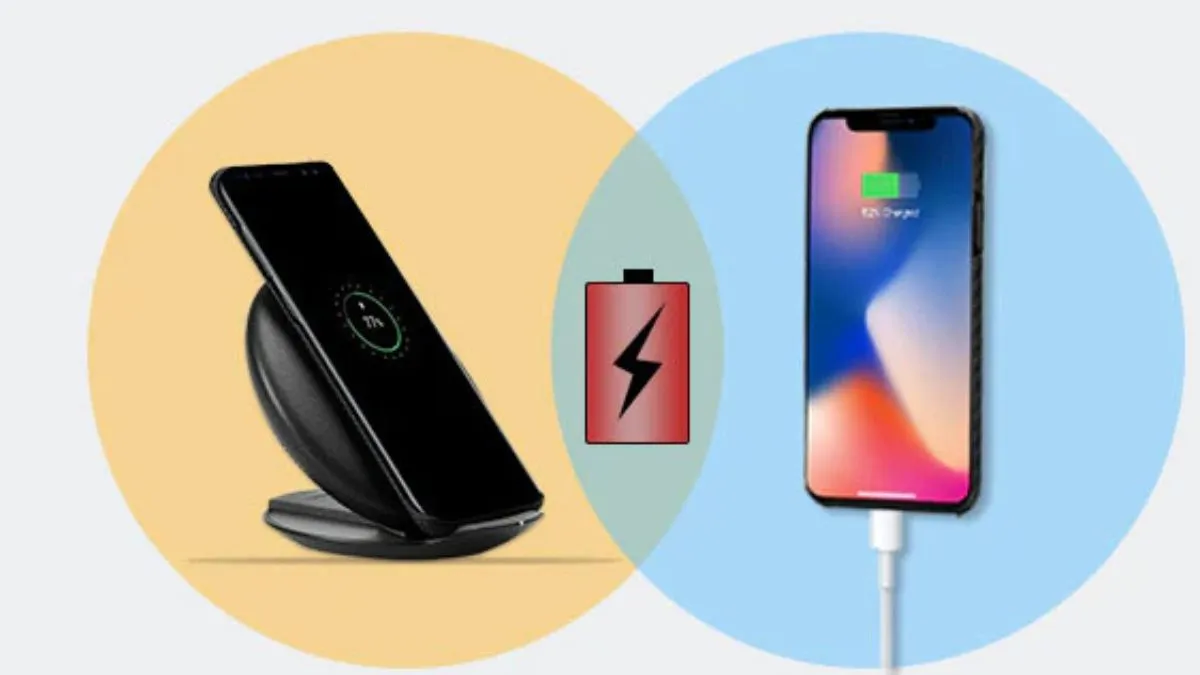
Wireless Charging: Is It Less Efficient Than Plugging In?