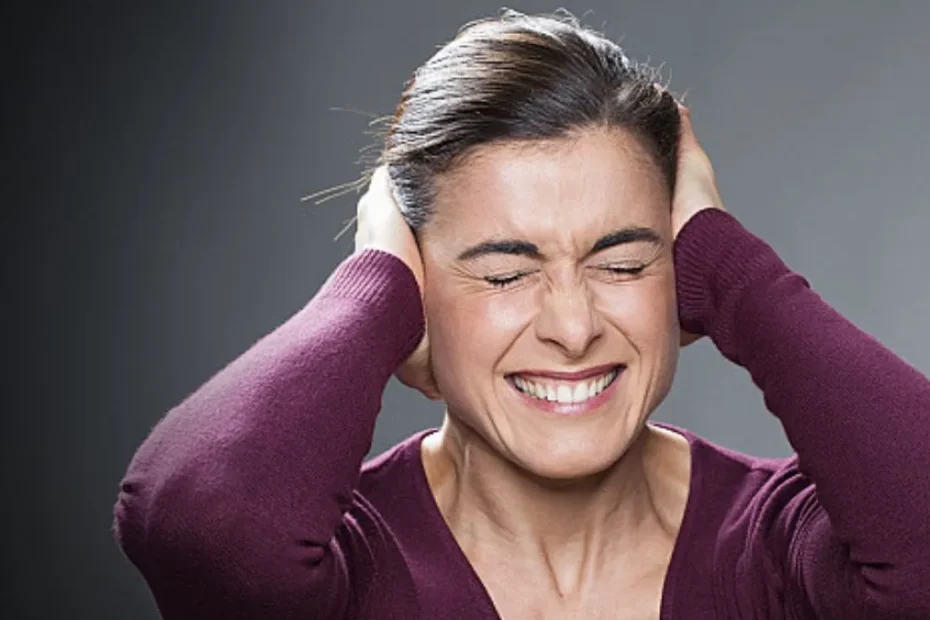
Have you ever been startled by the sound of someone chewing or the constant clicking of a pen? You’re not alone—many people share this intense sensitivity to noise. But what causes this reaction, and what techniques can help you cope with it?
What Is Misophonia?
Misophonia literally means “hatred of sound.” But it’s not just any sound—it’s specific, repetitive noises that trigger a strong emotional response. Think slurping soup, tapping fingers, or incessant throat clearing.
- Not about volume—it’s about the type of sound.
- Typically triggers anger, anxiety, or even panic.
- Most common in late childhood or teen years, but can develop at any age.
Experts generally agree: misophonia isn’t just being sensitive or picky. It’s a real condition recognized by clinicians worldwide, though it’s still being studied.

Why Do Certain Sounds Trigger You?
Here’s the big question: why does a simple noise like chewing make you feel so upset? Scientists don’t have all the answers yet, but research is pointing to a few main theories.
- Brain wiring: People with misophonia show increased activity in their “salience network”—a part of the brain that flags certain stimuli as important or threatening.
- Emotional connection: Most triggers involve social or personal sounds (like family members chewing), suggesting a link between sound, relationships, and past experiences.
- Fight-or-flight: Your body can respond to trigger sounds with real physical stress—like a racing heart, sweating, or tension.
So, if you feel irrationally furious when your coworker munches on chips, it’s not just you being dramatic. Your brain and body are literally reacting as if there’s a threat.
The Most Common Misophonia Triggers
Curious which sounds are most likely to set people off? Here’s what misophonia sufferers often report:
- Chewing, slurping, and crunching food
- Pen clicking
- Throat clearing or sniffing
- Finger tapping
- Foot shuffling
Interestingly, the closer you are to the person making the noise, the more intense your reaction may be. (Yes, that means family dinners can be especially tough.)

Is Misophonia Really That Common?
You might be surprised how many people struggle with this. Some studies estimate up to 20% of the population has at least mild misophonia symptoms. That’s millions of people who know exactly what you’re going through!
- Experts say mild cases are often brushed off or go undiagnosed.
- Severe cases can affect relationships, work, and mental health.
It’s not about being oversensitive or rude—it’s a real, shared experience.
How Do You Cope With Misophonia?
So, what can you actually do? While there’s no magic cure, there are helpful strategies you can try, based on clinical consensus and lived experience from the misophonia community:
- Noise-cancelling headphones: A simple way to block triggers in public or at work.
- White noise or soothing music: Distracts your brain and masks annoying sounds.
- Open conversations: Let friends or family know about your triggers—many people are supportive once they understand.
- Cognitive behavioral therapy (CBT): Some therapists specialize in helping clients reframe their responses to trigger sounds.
- Mindfulness and breathing exercises: These can help you stay calm and regain control in a triggering moment.
Remember, you’re not alone—and with the right support, misophonia can become more manageable over time.

Should You Seek Help?
If misophonia is affecting your mental health, relationships, or daily life, it might be time to reach out to a professional. Psychologists, audiologists, and even support groups can offer guidance and understanding.
- There’s no shame in seeking help.
- Early intervention can make a big difference.
And if you’re reading this because you know someone who struggles, your empathy and patience can mean the world to them.
The Bottom Line
Misophonia is real, and it’s more common than you might think. If chewing sounds drive you up the wall, know that your reaction is valid—and there are ways to cope. Don’t be afraid to talk about it, seek help, or make your needs known. After all, isn’t it about time we stopped suffering in silence?

VPNs: Do You Really Need One or Is It Just Marketing Hype?
Incognito Mode: Does It Actually Hide Your Browsing from Your ISP?

Subscription Fatigue: How to Find and Cancel Subs You Forgot About

5G Conspiracy: Why The Towers Are Harmless (Physics Explained)
Wireless Charging: Is It Less Efficient Than Plugging In?