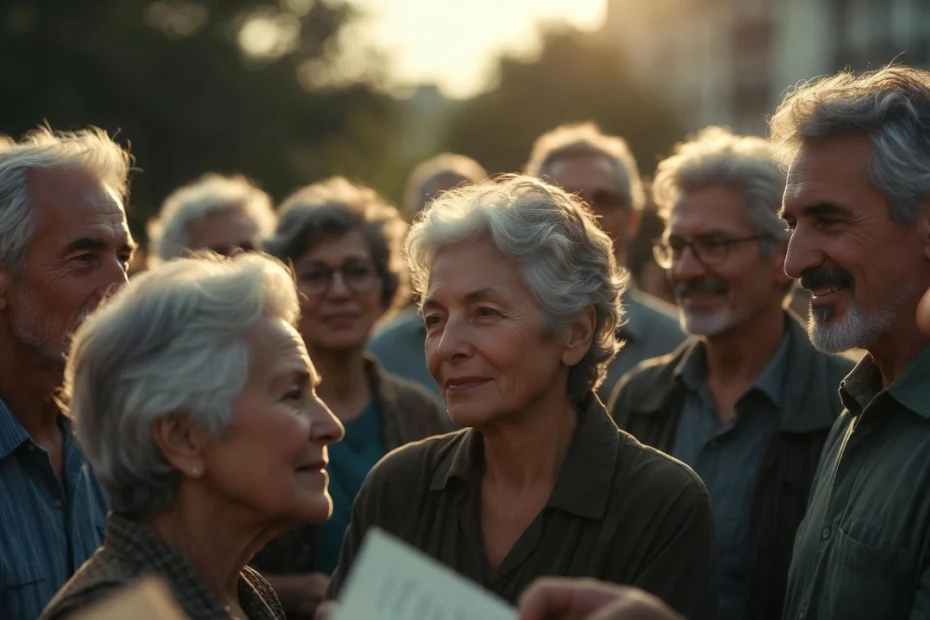
Mental Strengths: Imagine watching a man in his seventies fix a broken garden chair using just wire, a butter knife, and his calm focus. No YouTube tutorial, no panic, no drama. Just steady hands and patience.
His granddaughter, filming for TikTok, asked: “How do you even know how to do that?” He simply replied, “We had to.”
That small moment shows a quiet truth: people raised in the 1960s and 1970s often developed mental strengths that are now rare in our fast, digital world. These are not flashy skills—they are everyday powers that help people cope with life calmly, solve problems, and adapt to challenges.

How Childhood in the 60s and 70s Shaped Mental Strength
Mental Strengths: Kids growing up in the 1960s and 1970s experienced a very different world:
- More freedom, less supervision: They played outside until streetlights came on, biked alone, and explored their neighborhoods.
- Unstructured time: Without constant digital entertainment, boredom taught patience and imagination.
- Small risks and challenges: Locked doors, missing keys, broken toys—all encouraged practical thinking and adaptability.
Psychologists say this kind of upbringing trained seven key mental strengths, like daily workouts for the brain.
The 7 Mental Strengths of the 60s–70s Generation
| Mental Strength | Everyday Example | Why It Matters Today |
|---|---|---|
| Frustration tolerance | Waiting for your favorite TV show or dealing with minor setbacks | Helps manage stress calmly |
| Boredom resilience | Long car rides without screens | Encourages creativity and reflection |
| Practical problem-solving | Fixing broken appliances or improvising solutions | Builds independence and resourcefulness |
| Thick skin with feedback | Handling “no” or criticism | Strengthens self-confidence |
| Delayed gratification | Saving allowance or waiting for rewards | Improves planning and self-control |
| Everyday courage | Going places alone, trying new things | Boosts confidence and initiative |
| Community reliance | Asking neighbors for help or helping others | Builds social skills and mutual support |
These skills were learned without workshops or labels—they were simply lived experiences.
Why These Strengths Are Less Common Today
Modern life often removes these “training moments.” Instant communication, fast deliveries, and constant entertainment reduce the small frustrations and problem-solving opportunities that once shaped strong minds.

Kids today may develop other skills, like digital literacy or emotional awareness, but they miss certain hands-on mental workouts that older generations took for granted.
How to Rebuild These Strengths Today
Even if you didn’t grow up in the 60s or 70s, you can strengthen these mental muscles:
- Let the kettle boil without checking your phone.
- Try solving a small home problem with what you already have.
- Wait a few hours before checking a message or tracking a delivery.
- Encourage children to play or think independently for short periods.
- Try walking or commuting without earbuds to notice your surroundings.
These “micro-frustrations” act like mental push-ups, helping your brain grow resilience, creativity, and patience in small, manageable ways.
The childhoods of the 1960s and 1970s quietly built mental strengths that helped people handle frustration, boredom, and uncertainty with calm confidence. While modern life has its own advantages, the inner sturdiness of older generations is something worth noticing—and slowly rebuilding.

Simple daily habits, small challenges, and patience can help anyone today regain some of those hidden skills. Life may not always follow a script, but developing these strengths can give you space to pause, think, and say, “I’ll figure this out.”
FAQs
What were the 7 mental strengths from 60s–70s childhoods?
They include frustration tolerance, boredom resilience, practical problem-solving, thick skin with feedback, delayed gratification, everyday courage, and community reliance.
Are people raised today weaker mentally?
No. They were trained by a different environment with instant tech, fast feedback, and fewer unstructured risks. Some skills are stronger, others less.
Can adults develop these strengths later in life?
Yes. Adults can slowly rebuild these skills by facing small challenges, waiting, trying DIY fixes, and relying on others when appropriate.

The Winter Fruit That Keeps Robins Coming Back to Your Garden

A Small Gesture That Saves Wildlife – How Tennis Balls Can Protect Birds And Hedgehogs This Winter

Psychology Explains Why Some People Always Interrupt Others – Meaning and Insights
If You Still Remember These 10 Everyday Moments From Decades Ago, Your Memory Is Sharper Than Most People In Their 70s

If You Want A Happier Life After 60 Be Honest With Yourself And Erase These 6 Habits