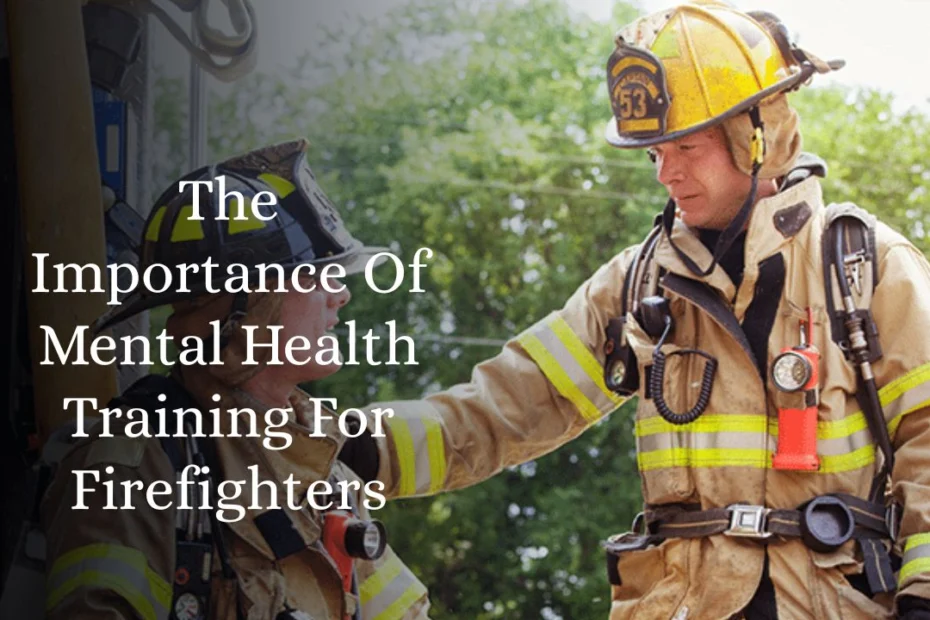
Firefighters are trained to handle emergencies that most people never experience in a lifetime. Fires, road accidents, medical emergencies, rescues, and disasters are part of their daily work.
While physical training and protective gear help keep them safe on the outside, repeated exposure to traumatic events can strongly affect their mental and emotional health.
Over time, unmanaged stress can lead to anxiety, depression, post-traumatic stress, sleep disorders, substance misuse, and emotional burnout. Many firefighters continue working while silently struggling, which makes mental health training just as important as physical and technical training.
A mentally healthy firefighter is more alert, makes better decisions, and stays safer on the job.
Why Firefighters Face Unique Mental Health Risks
Repeated Exposure To Trauma
Firefighters are often exposed to death, serious injuries, and life-threatening situations on a regular basis. Unlike a single traumatic event, repeated exposure can slowly overwhelm coping abilities. Over the years, this buildup may lead to emotional numbness, intrusive memories, or constant tension even while off duty.
Irregular Shifts And Sleep Disruption
Firefighters frequently work long shifts, overnight rotations, and unpredictable schedules. Interrupted sleep patterns reduce the body’s ability to recover from stress.
Poor sleep is closely linked with depression, mood swings, irritability, and slower reaction times, which can directly affect emergency performance.
Workplace Culture And Silence
The fire service has traditionally valued strength and resilience. While these traits are important, they sometimes discourage open discussion about emotional struggles.
Many firefighters avoid speaking up because they fear judgment or being viewed as weak, allowing problems to grow unnoticed.
How Mental Health Affects Firefighter Safety And performance
Mental health challenges do not stay at home when a firefighter comes to work. They can directly impact job performance and safety.
- Reduced concentration can increase operational mistakes
- Emotional fatigue may weaken communication and teamwork
- Chronic stress raises the risk of injuries and accidents
- Burnout leads to absenteeism, early retirement, and staff shortages
In recent years, firefighter suicide has become a serious concern in many regions. This reality highlights that mental health training is not just supportive—it is life-saving.
What Mental Health Training For Firefighters Should Include
Mental Health Awareness And Education
Firefighters should be taught how stress and trauma affect the brain and body in simple, practical language.
Training must explain that emotional reactions are normal responses to extreme situations. Education should cover common signs of PTSD, anxiety, depression, and chronic stress.
Early Warning Signs And Self-Checks
Mental health training should help firefighters recognize early warning signs in themselves and others. These may include constant exhaustion, anger, withdrawal, loss of motivation, sleep problems, or risky behavior.
Early awareness leads to early support and better recovery.
Peer Support Training
Peer support programs train firefighters to listen without judgment, offer support, and guide coworkers toward professional help when needed.
Firefighters often feel more comfortable opening up to someone who understands the job and its pressures.
Suicide Prevention And Crisis Response
Training must clearly explain suicide warning signs and how to respond during a crisis. Firefighters should know how to ask direct questions, stay with someone in distress, and activate department support systems quickly and safely.
Leadership And officer training
Company officers and senior staff strongly influence station culture. Leadership training should focus on recognizing stress in crews, supporting recovery after difficult calls, managing conflict, and encouraging open communication. Supportive leadership reduces stigma and builds trust.
Core components Of Mental Health Training For Firefighters
| Training area | Main focus | Who needs it | Frequency | Key benefit |
|---|---|---|---|---|
| Mental health education | Stress, trauma, PTSD, depression | All firefighters | Onboarding and yearly | Builds awareness and reduces stigma |
| Peer support skills | Listening and referral techniques | Peer teams and crews | Initial and refresher sessions | Encourages early help |
| Suicide prevention | Warning signs and crisis response | All personnel | Annual | Saves lives |
| Sleep and fatigue management | Recovery and shift impact | Firefighters and officers | Yearly | Improves focus and safety |
| Post-incident support | Emotional care after major calls | Officers and peer teams | After critical incidents | Prevents long-term damage |
| Access to resources | How to seek professional help | All members | Regular reminders | Removes barriers to care |
Benefits Of Mental Health Training For Fire Departments
Improved Operational Safety
Firefighters who understand mental health are better prepared to manage stress during emergencies. This leads to clearer thinking, better communication, and safer decision-making on the scene.
Stronger Team Relationships
When mental health is openly discussed, trust within crews improves. Firefighters become more supportive of each other, which strengthens teamwork and morale.
Reduced Burnout And Turnover
Departments that invest in mental health training often see fewer resignations and sick days. Firefighters are more likely to stay in the profession when they feel supported and valued.
Healthier Lives Beyond The Job
Mental health training benefits firefighters at home as well. Better coping skills lead to improved sleep, stronger family relationships, and better overall quality of life.
How fireddepartments can Implement Effective Training
Mental health training should be treated as a core part of firefighter readiness, not a one-time seminar. Departments should include it in mandatory training schedules, use real-life scenarios, protect confidentiality, and offer regular refreshers.
Interactive discussions, short drills, and role-playing exercises help firefighters apply skills in realistic situations. Anonymous feedback and wellness surveys can help departments improve programs over time.
The importance of mental health training for firefighters continues to grow as awareness of stress-related challenges increases. Firefighters face emotional pressures that directly affect safety, performance, and long-term wellbeing.
When departments invest in education, peer support, leadership training, and early intervention, they protect their most valuable asset—their people. Strong mental health training creates safer crews, stronger teams, and longer, healthier firefighting careers.
FAQs
Why is mental health training important for firefighters?
Because repeated exposure to trauma and stress can affect safety, decision-making, and overall wellbeing if left unaddressed.
Can mental health training reduce stigma in fire departments?
Yes. Regular training normalizes mental health discussions and encourages firefighters to seek help earlier.
How often should firefighters receive mental health training?
Mental health training should be included during onboarding and refreshed at least once a year to remain effective.
Firefighter Wellness Programs: Building Strength Beyond the Fire Scene
Firefighter Gear Explained: What Protects First Responders on Duty
How Fire Departments Prepare Firefighters For High-Risk Emergencies
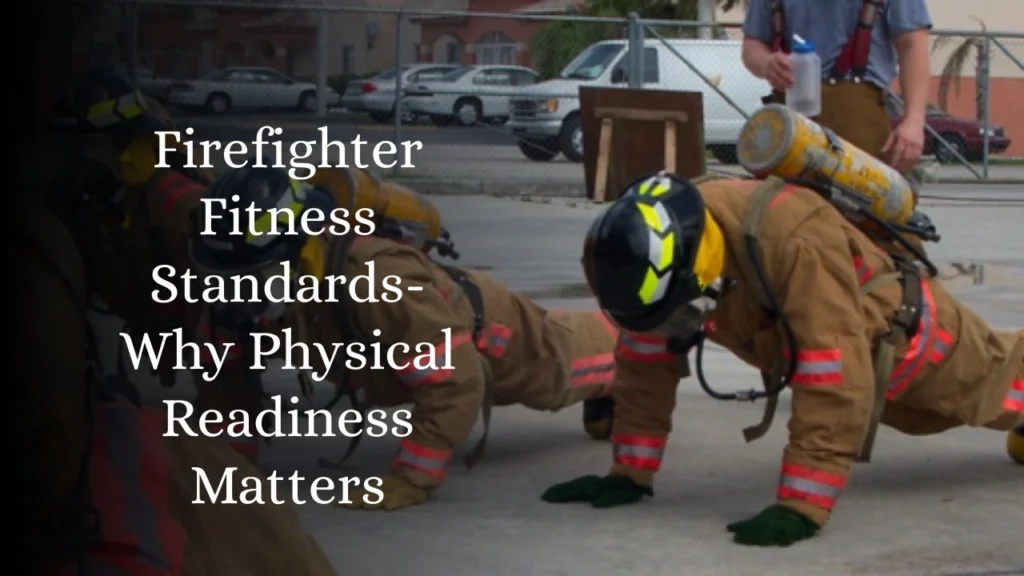
Firefighter Fitness Standards- Why Physical Readiness Matters
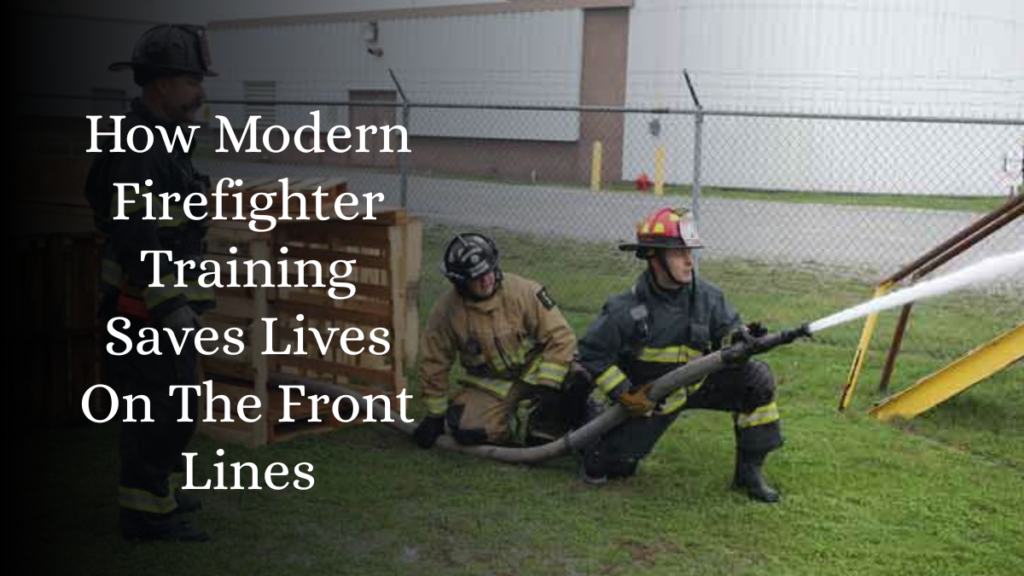
How Modern Firefighter Training Saves Lives On The Front Lines