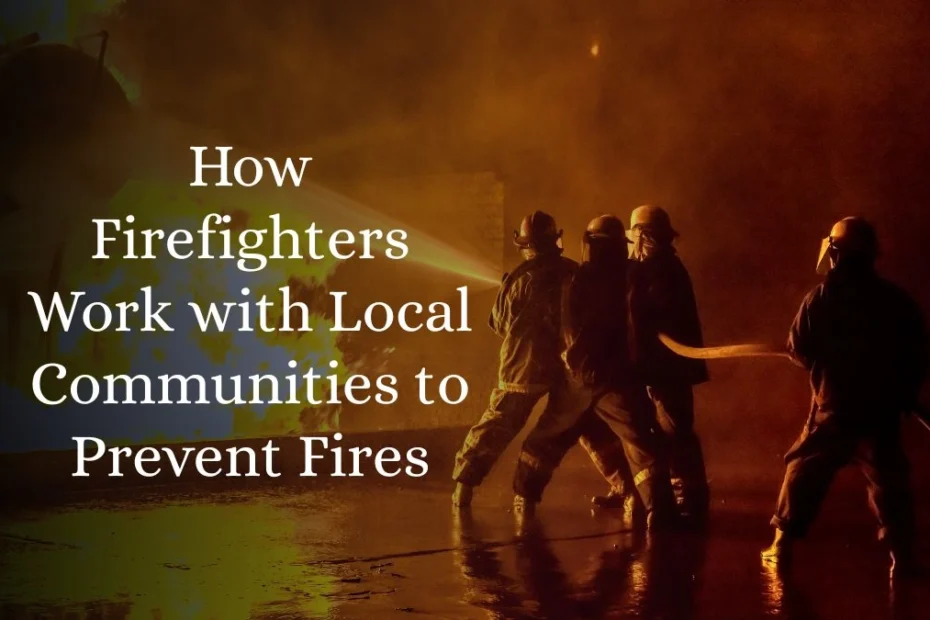
Fire prevention is one of the most effective ways to save lives and protect property. Fire departments across the world increasingly recognize that responding to emergencies alone is not enough.
Community fire prevention efforts mean empowering residents with knowledge, resources, and tools that help reduce fire risk at its source. Through public education, community partnerships, risk assessments, safety inspections, and outreach programs, firefighters create safer environments for everyone.
In the United States alone, local fire departments responded to an estimated 1.38 million fires in 2024, resulting in thousands of injuries and property loss—many of which were preventable with education and preparedness.
What Is Community Fire Prevention?
Community fire prevention refers to programs and efforts led by fire departments and partners designed to reduce the likelihood of fires and fire-related injuries.
This includes education, outreach, installation of safety devices, risk assessments, and collaborative initiatives with local residents and organizations.
Why Fire Prevention Partnerships Matter
Community involvement enhances a fire department’s ability to:
- Reduce the number of fire incidents
- Improve public safety awareness
- Build public trust and relationships
- Provide targeted fire safety education
- Promote early risk detection and mitigation
- Encourage proactive behavior among residents
Key Fire Prevention Activities by Fire Departments
| Activity Type | Description | Community Benefit |
|---|---|---|
| Fire Safety Education Programs | Workshops in schools, homes, workplaces | Increases fire awareness & preparedness |
| Smoke Alarm Installation Drives | Installing alarms in homes | Reduces fire deaths and increases early warnings |
| Home Fire Risk Assessments | Visiting homes to identify hazards | Helps prevent fires before they occur |
| Community Risk Reduction (CRR) Plans | Data-driven assessment & planning | Prioritizes fire risk and targets prevention |
| Outreach Campaigns | Public events & social media engagement | Spreads fire safety messages widely |
| Volunteer & Youth Programs | Engages community volunteers and youth | Promotes fire safety culture & recruitment |
| Partnerships with Local Organizations | Collaborations with nonprofits & councils | Extends reach and resources |
How Firefighters Engage With Local Communities
1. Fire Safety Education Programs
Fire departments conduct extensive education initiatives aimed at multiple age groups:
- School Programs: Teaching children fire safety basics, escape plans, and how to use alarms.
- Adult Workshops: Topics include kitchen fire hazards, electrical safety, and wildfire prevention.
- Public Drills: Practice sessions for evacuation and emergency response.
Research shows that communities with formal fire safety programs experience up to 50% fewer fire-related incidents.
2. Home Visits and Safety Assessments
Firefighters sometimes conduct home safety visits to evaluate potential fire hazards, install or test smoke alarms, and provide personalized advice on reducing fire risks.
Programs that include community promotion increase participation and result in more homes having working smoke alarms on every level.
3. Community Risk Reduction (CRR) Plans
Community Risk Reduction is a structured method firefighters use to identify the risks most likely to cause fires and injury within a community. The six-step CRR approach includes:
- Conducting risk assessments
- Prioritizing risks
- Developing mitigation strategies
- Implementing plans
- Monitoring and revising programs
This proactive approach helps fire departments focus resources where they can make the most difference.
4. Outreach and Public Awareness Campaigns
Fire departments organize campaigns and community events that:
- Educate the public on fire hazards
- Promote safety during holidays and high-risk seasons
- Partner with local businesses and groups for wider outreach
Specialized roles like community outreach specialists tailor messaging to different audiences and help with crisis communication.
5. Smoke Alarm Installation and Free Safety Tools
Programs offering free smoke and carbon monoxide detectors have been implemented in communities to ensure more households are equipped with life-saving devices.
Firefighters often partner with local organizations to distribute and install these tools, prioritizing high-risk groups such as the elderly or low-income families.
6. Volunteer and Youth Engagement Programs
Fire departments engage volunteers and youth through programs like:
- Fire Corps: Allows community members to support prevention and non-emergency tasks.
- Junior Firefighter Programs: Provide young people with insight into fire safety and emergency services.
These programs help build long-term safety culture and community resilience.
Community Risk Reduction Benefits: Facts and Figures
- An estimated 68.7% of fire departments participate in some form of prevention programming.
- Approximately 31.3% of departments have not engaged in prevention activities, showing room for growth.
- Research suggests that fire safety education and risk reduction programs are critical in lowering fire incidence and enhancing public preparedness.
Real-World Impact
Community programs have shown measurable benefits:
- Areas with formal fire safety education have significantly lower fire rate statistics.
- Home visits and smoke alarm drives lead to increased coverage and decreased deaths.
- Local partnerships expand reach and help fire departments serve diverse populations more effectively.
Firefighters and local communities must work together to prevent fires effectively. Through collaborative education, targeted risk reduction, community outreach, home safety visits, and partnerships with local organizations, fire departments are able to significantly reduce fire risks and enhance public safety.
These efforts build stronger, resilient communities where individuals are empowered to take preventative action. Proactive engagement not only saves lives but also fosters mutual trust, preparedness, and long-term safety culture.
FAQs
How do fire departments help communities prevent fires?
Firefighters prevent fires by educating the public, promoting safety campaigns, conducting home visits, installing smoke alarms, and creating community risk reduction plans.
Are community fire prevention programs effective?
Yes. Studies show communities with structured fire safety education have fewer fire incidents and better preparedness outcomes.
Can individuals participate in fire prevention efforts?
Absolutely. Individuals can join volunteer programs, attend fire safety workshops, install safety devices, and follow guidance from local fire departments.
Fire Department Funding: Why It Matters for Public Safety
The Growing Role of Firefighters in Disaster Response
How Fire Departments Are Building Stronger Community Relationships
The Importance of Fire Prevention Education In Saving Lives
A Day in the Life of a Professional Firefighter