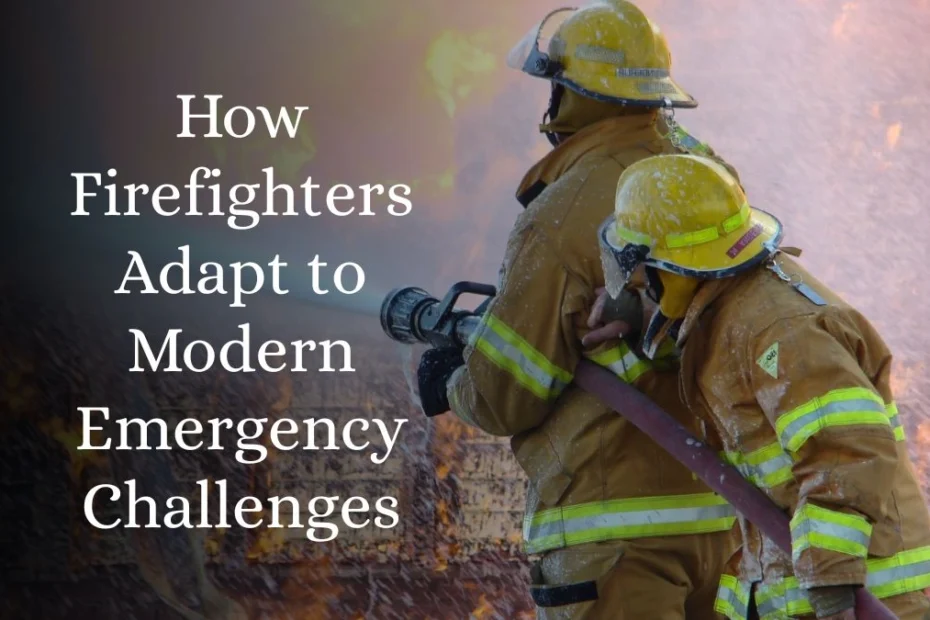
Firefighters today face more diverse and unpredictable emergency challenges than ever before. From traditional structural fires to lithium-ion battery incidents, climate-driven wildfires, hazardous materials releases, and urban emergencies, the role of a firefighter has expanded significantly.
As emergencies evolve, so must the skills, equipment, training, and operational strategies of fire services around the world.
Modern firefighting is no longer just about putting out fires — it requires cutting-edge technology, continuous adaptation, strategic planning, and integrated response systems that improve outcomes and protect both responders and communities.
This comprehensive article examines how firefighters are adapting to modern emergency challenges through advanced training, innovative tools, digital systems, multi-hazard preparedness, wellness initiatives, and new operational paradigms, backed by the latest real-world insights and data.
1. The Changing Landscape of Emergency Response
The nature of emergency response has transformed dramatically in recent decades. Firefighters now respond to:
- Structural fires in complex, high-rise buildings
- High-hazard industrial and chemical incidents
- Wildfires and urban interface fires
- **Vehicle and lithium-ion battery fires
- Natural disasters (floods, storms) and mass rescue operations
- Medical and multi-agency emergencies
These varied demands require different skills, equipment, and decision-making frameworks than those used even a decade ago.
2. Advanced Training: Foundation of Modern Firefighting
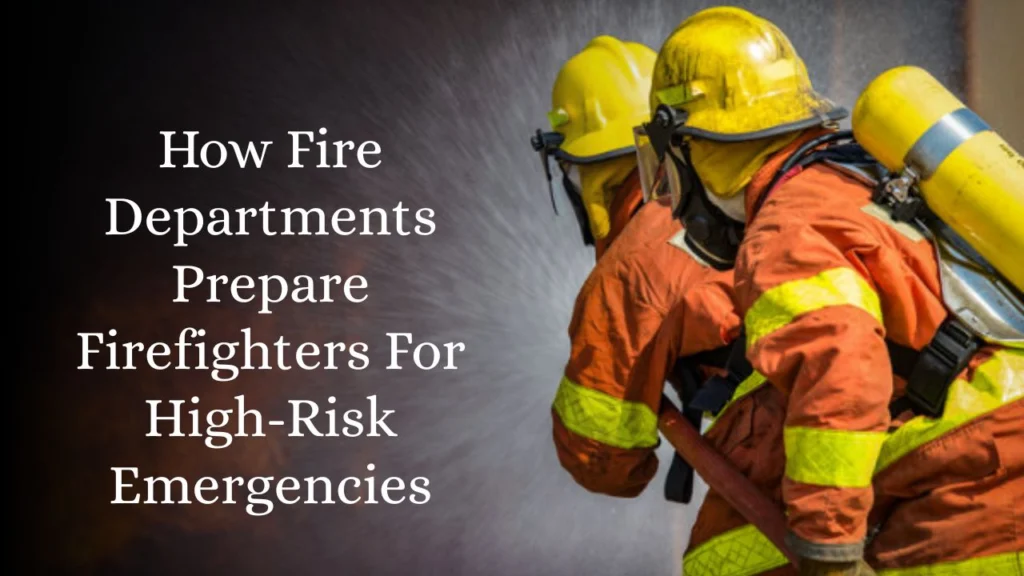
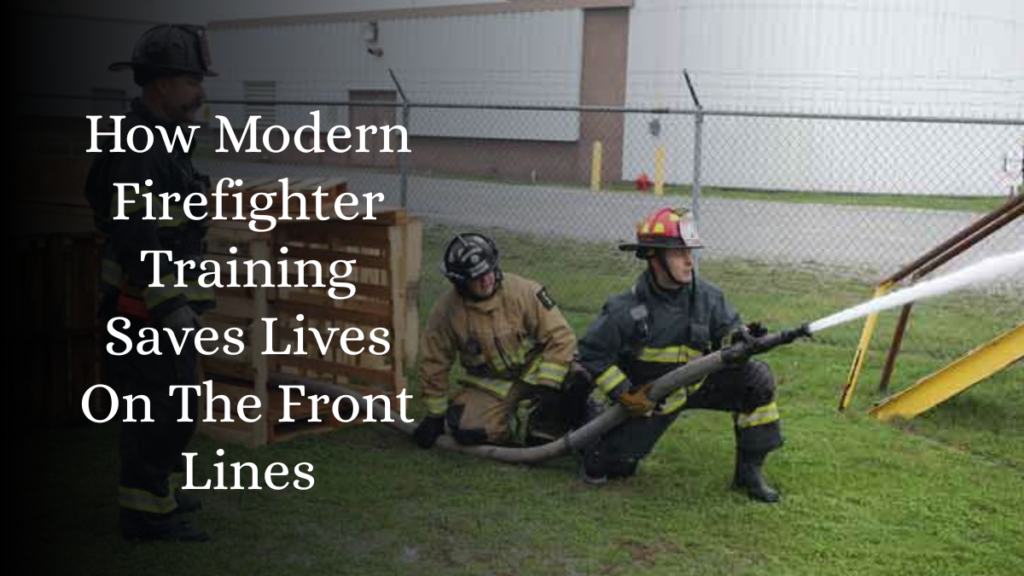
Training remains the backbone of an effective fire service, but it has evolved far beyond physical drills and hose handling.
Key Training Adaptations
- Expanded Curriculum: Modern firefighters are trained in fire dynamics, building construction, hazardous materials response, emergency medical care, and advanced rescue operations.
- Simulation Tools: High-fidelity simulation platforms allow trainees to experience lifelike emergencies without real-world risk. These tools provide immersive environments for rope rescue, fire behavior response, structural collapse scenarios, and more.
- Electronic Education & Theory: Modern training integrates fire chemistry, combustion science, and strategies to fight non-traditional fire types such as lithium-ion battery fires.
- Specialized Programs: Wildland crews like smokejumpers and hotshot units receive elite training for high-risk remote wildfire conditions.
Training Infrastructure Variability
Training durations and infrastructures vary widely by region — from three months basic courses in some areas to year-long advanced programs in others — highlighting the need for standardized, accredited training worldwide.
3. High-Tech Tools and Digital Integration
Modern firefighters leverage digital systems and technology that enhance situational awareness, safety, and response efficiency.
Major Technological Advancements
| Technology | Purpose | Benefit |
|---|---|---|
| Thermal Imaging Cameras | Detect heat signatures through smoke | Guides search and rescue, improves scene visibility |
| Drones & UAS (Uncrewed Aerial Systems) | Aerial recon, payload delivery | Rapid assessment & safety in hazardous zones |
| AI & Predictive Analytics | Risk modeling, fire behavior prediction | Resource allocation and improved safety |
| Advanced Dispatch Systems (CAD) | Real-time incident data & routing | Faster, more accurate emergency response |
| Robotic Assistants | Dangerous tasks (high heat/unstable structures) | Reduced risk to human responders |
These technologies are becoming mainstream in fire services, particularly in wildfire zones and dense urban centers, as departments move toward proactive, data-driven emergency response.
4. Climate Change & Environmental Pressures
Fire services grapple with climate-driven hazards:

- Extended wildfire seasons due to rising temperatures
- Severe storm, flood, and urban heat emergencies
- Increased frequency of multi-agency disaster responses
Fire departments now use environmental monitoring tools, geographic risk assessments, and mutual aid networks to allocate resources strategically and prepare for prolonged, unpredictable emergency events.
5. Personnel Challenges: Staffing, Wellness & Recruitment
Staffing Shortages
Many departments face severe staff shortages due to retirements, recruitment challenges, and increased job demands. This impacts response capacity and firefighter fatigue.
Wellness & Mental Health Focus
Modern strategies emphasize:
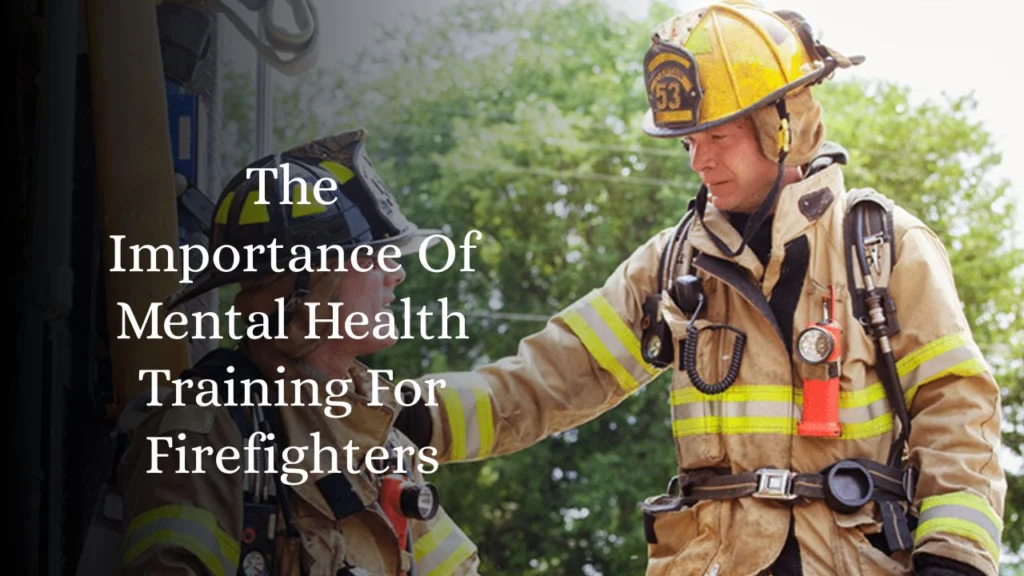
- Mental health support programs
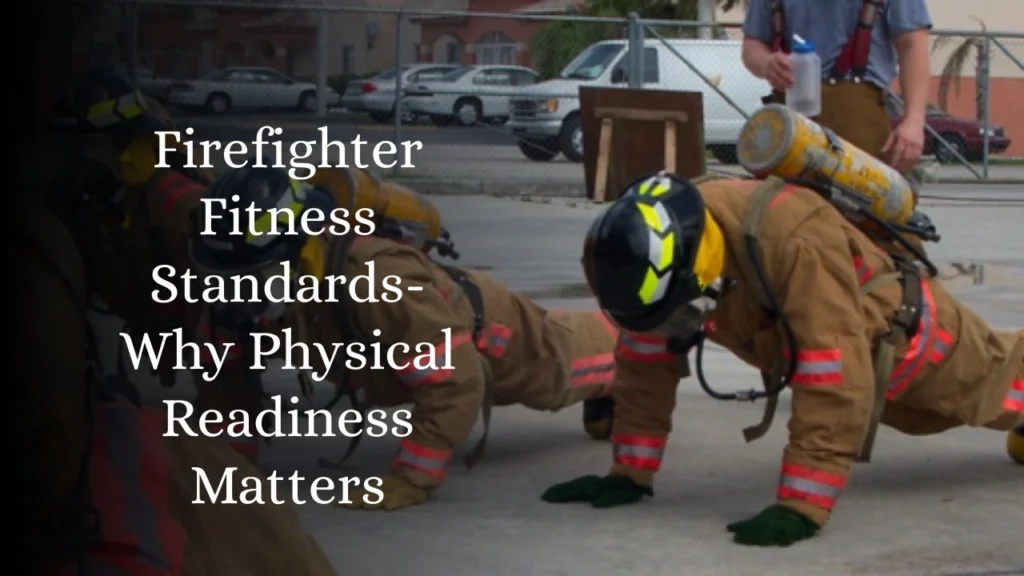
- Physical fitness standards
- Heat stress mitigation and recovery planning
- Work-life balance and shift wellness initiatives
Given the high emotional and physical toll of emergency response, wellness programs help reduce burnout and improve long-term retention.
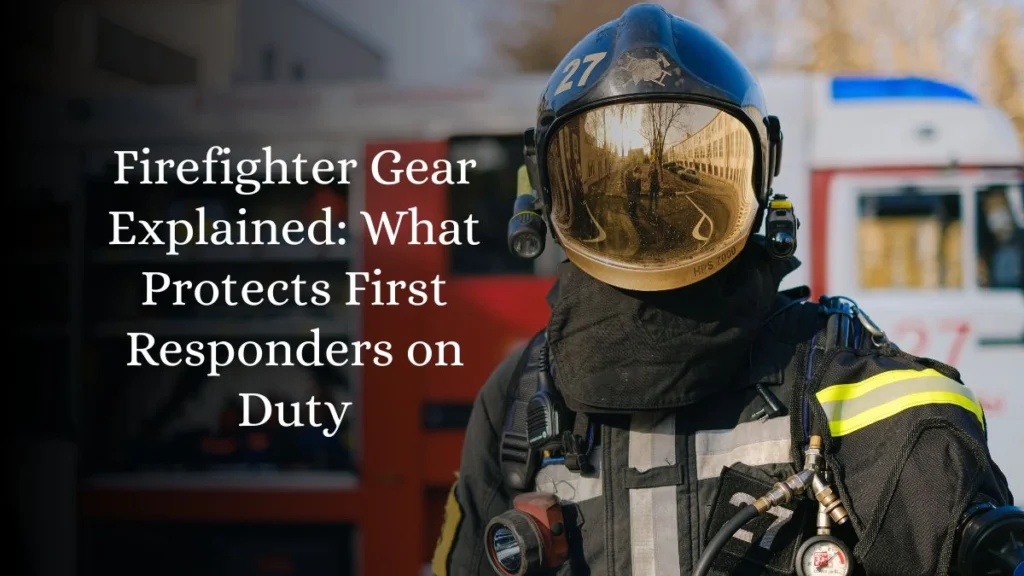
6. Personal Protective Equipment (PPE) & Safety Protocols
Modern PPE continues to evolve but faces scrutiny for health hazards. For example, legislative efforts target the removal of toxic “forever chemicals” from turnout gear to reduce long-term cancer risks among firefighters. Newer gear prioritizes lighter weight, better thermal protection, and health-focused materials.
Heat stress, especially during wildland operations, leads to tiered PPE strategies that balance protection with mobility and cooling potential.
7. Strategic & Tactical Adaptations
Modern incident command and operational strategies have shifted:
- Data-driven risk assessment matrices
- Enhanced communication systems
- Defensive tactics when offensive entry is too dangerous
- Interagency coordination with EMS and disaster response teams
Fire crews now prioritize situational awareness, risk vs. gain evaluation, and tactical flexibility to maximize safety and efficacy on the ground.
8. Community Engagement & Fire Prevention
Fire departments are expanding outreach through:
- Public education campaigns
- Fire safety drills in schools and workplaces
- Smart systems and early warning technologies for community awareness
- Collaborations with local authorities for disaster preparedness
Community involvement helps reduce incident frequency and improves overall emergency readiness.
Detailed Table: Modern Firefighting Adaptations
| Category | Examples | Impact |
|---|---|---|
| Training | Simulation, chemistry education | Preparedness for complex scenarios |
| Technology | Drones, AI, thermal imaging | Increased safety and situational awareness |
| Climate Response | Wildfire monitoring, environmental tools | Better resource allocation |
| Personnel Strategy | Wellness programs, recruitment plans | Reduced burnout, better staffing |
| PPE Improvements | Health-focused gear | Safer long-term operations |
| Operational Tactics | Risk assessment, defensive strategy | Higher mission success, fewer injuries |
| Community Outreach | Fire safety education | Reduced risk, community resilience |
The profession of firefighting has transcended its traditional boundaries. Today’s firefighters must be scientists, technicians, strategists, and community educators. They adapt continually to evolving hazards, technological advancements, environmental shifts, and societal needs.
Through advanced training, smart tools, data-driven operations, and a focus on safety and community engagement, firefighters remain a formidable force in protecting lives and property.
As emergencies become more complex in the 21st century, the flexibility, resilience, and innovation shown by fire services worldwide underscore their critical role in safeguarding modern society.
FAQs
How is technology improving firefighter safety and efficiency?
Modern technology such as thermal imaging cameras, drones, AI analytics, and advanced dispatch systems enhances situational awareness, speeds up emergency response, and reduces risk to human firefighters.
What challenges do firefighters face due to climate change?
Increased wildfire seasons, severe weather events, and heat emergencies require new tools, strategic planning, and interagency coordination to manage diverse emergency scenarios effectively.
Why is advanced training essential for modern firefighters?
Training now includes fire science, hazardous materials handling, simulation tools, and emergency medical skills to ensure firefighters can respond effectively to complex, evolving emergencies.
Firefighter Gear Explained: What Protects First Responders on Duty
How Fire Departments Prepare Firefighters For High-Risk Emergencies
Firefighter Fitness Standards- Why Physical Readiness Matters
The Importance Of Mental Health Training For Firefighters
How Modern Firefighter Training Saves Lives On The Front Lines