Rest days are just as important as active workout days, yet many people struggle with the idea of “doing nothing.” Sitting still all day can leave the body stiff, heavy, and mentally dull.
This is where a gentle yoga flow becomes the perfect middle ground—offering movement without strain and restoring energy without exhausting muscles.
Unlike intense yoga sessions or workouts, a gentle flow focuses on slow transitions, mindful breathing, and supportive poses. The goal is not to burn calories or build muscle, but to help the body recover, release tension, and feel refreshed.
Why Gentle Yoga Is Ideal for Rest Days?
Rest days allow muscles, joints, and the nervous system to recover. However, complete inactivity can sometimes increase stiffness, soreness, and fatigue. Gentle yoga keeps the body moving just enough to improve circulation and mobility without stressing tired muscles.
This type of practice supports recovery by encouraging blood flow, calming the nervous system, and helping the body reset after physical or mental effort. It also helps maintain flexibility and joint health, making it easier to return to regular workouts feeling energized rather than sluggish.
How Gentle Yoga Restores Energy?
Gentle yoga restores energy by working with the body instead of pushing against it. Slow movements paired with deep breathing signal the nervous system to shift into a relaxed, restorative state.
As tension melts away, breathing becomes deeper and more efficient, allowing oxygen to flow freely throughout the body. This process helps reduce fatigue, mental fog, and physical heaviness, leaving you feeling calm yet refreshed.
Key Principles of a Rest-Day Yoga Flow
A rest-day yoga flow should feel nurturing and unhurried. The focus is on comfort, ease, and awareness rather than intensity.
Movements should be slow and controlled, with smooth transitions between poses. Holding poses gently allows muscles to relax while still receiving light stimulation. Breath should remain steady and natural, guiding each movement.
Props such as cushions, blankets, or blocks can be used to support the body and eliminate unnecessary strain.
Gentle Yoga Flow for Rest Days
This simple flow can be practiced in 15–30 minutes and is suitable for all levels.

1. Seated Breathing and Awareness
Begin seated comfortably, with your spine tall and shoulders relaxed. Close your eyes and take slow, deep breaths. This helps calm the mind and prepare the body for gentle movement.
2. Neck and Shoulder Release
Slowly roll the shoulders and gently stretch the neck side to side. These movements release tension commonly stored from daily stress and screen use.
3. Cat–Cow Flow
Move onto hands and knees and gently alternate between rounding and arching the spine. This warms up the back, improves spinal mobility, and encourages smooth breathing.
4. Child’s Pose
Lower into Child’s Pose and allow the back, hips, and shoulders to relax completely. This pose soothes the nervous system and gently stretches the spine.
5. Seated Forward Fold
From a seated position, hinge forward slowly, stopping where your body feels comfortable. This pose releases tension in the lower back and hamstrings without force.
6. Supine Knee-to-Chest Pose
Lying on your back, draw one knee at a time toward the chest. This gentle movement relaxes the hips and lower spine, easing any lingering tightness.
7. Reclined Spinal Twist
With knees bent, gently twist to each side. Twists help release tension along the spine and support digestion while remaining deeply relaxing.
8. Legs-Up-the-Wall or Gentle Resting Pose
If available, rest your legs up against a wall or keep them elevated on cushions. This position reduces fatigue, supports circulation, and encourages full-body relaxation.
9. Final Relaxation
End with several minutes of stillness, allowing the breath to settle naturally. This final rest helps the body fully absorb the benefits of the practice.
How Often to Practice Gentle Yoga on Rest Days?
Gentle yoga can be practiced on every rest day or whenever your body feels tired or overstimulated. It is also ideal during recovery from intense workouts, stressful days, or poor sleep.
Even short sessions provide benefits. Consistency matters more than duration when it comes to restorative movement.
Listening to Your Body
The most important rule of rest-day yoga is to listen to your body. Movements should feel soothing, never forced. If something causes discomfort, ease out or skip it entirely.
Gentle yoga is about honoring where you are, not pushing toward where you think you should be.
A gentle yoga flow on rest days offers the perfect balance between movement and recovery. It restores energy, reduces stiffness, and calms the mind without placing stress on tired muscles. By moving slowly and breathing deeply, the body is reminded how to relax and recharge.
Rather than viewing rest days as inactive, gentle yoga transforms them into opportunities for healing and renewal. This supportive approach helps maintain long-term consistency, prevents burnout, and keeps both body and mind feeling balanced and refreshed.
FAQs
1. Can gentle yoga replace complete rest days?
Gentle yoga complements rest days by supporting recovery, but full rest may still be needed when the body feels exhausted or unwell.
2. Is gentle yoga safe after intense workouts?
Yes. Gentle yoga is ideal for post-workout recovery, helping release tension and improve circulation without stressing muscles.
3. How long should a rest-day yoga session be?
A session can be as short as 10–15 minutes or as long as 30 minutes, depending on how your body feels.
How Yoga Enhances Mindfulness and Builds a Healthier Relationship With Stress
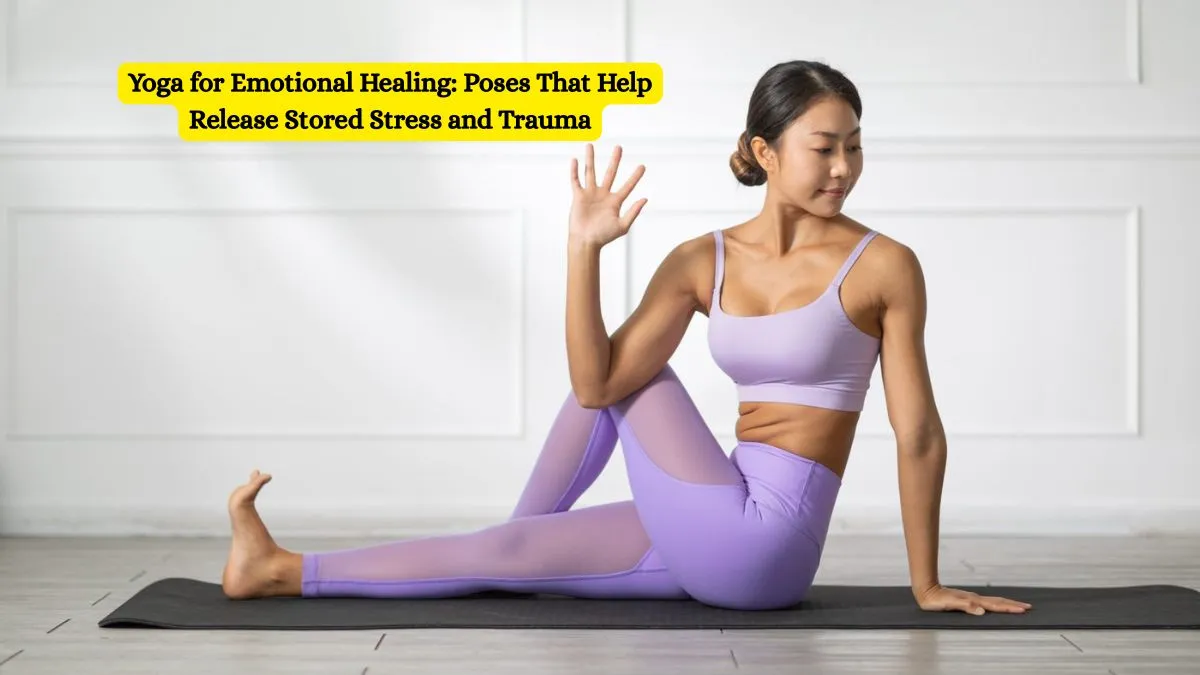
Yoga for Emotional Healing: Poses That Help Release Stored Stress and Trauma

Chair Yoga Exercises That Improve Mobility and Reduce Joint Stiffness
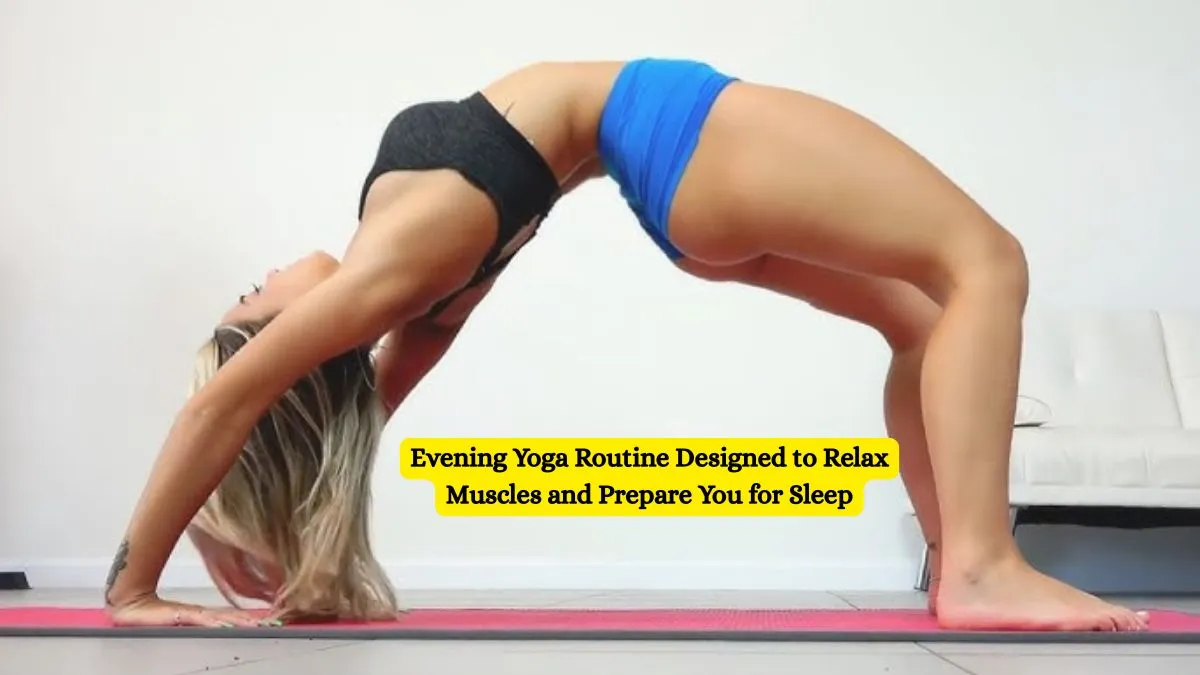
Evening Yoga Routine Designed to Relax Muscles and Prepare You for Sleep

How Consistent Yoga Practice Improves Digestion, Breathing, and Circulation
