When people think of firefighters, they usually imagine burning buildings, flashing lights, and emergency rescues. While those moments are critical, they represent only a small part of what firefighters actually do.
Today’s fire service plays a much broader role, working every day to make communities safer, healthier, and more prepared long before emergencies happen.
Modern fire departments respond to millions of calls each year, and only a small percentage involve actual fires. The majority of their work includes medical emergencies, safety education, prevention programs, inspections, and disaster planning.
This expanded mission has transformed firefighters into trusted community leaders and problem solvers.
The Move From Emergency Response To Community Risk Reduction
One of the most important ways firefighters strengthen communities is through Community Risk Reduction (CRR). This approach focuses on identifying the most common risks in a community and taking action to prevent them.
Instead of reacting after disasters occur, firefighters analyze local data to understand patterns such as frequent house fires, medical emergencies, traffic accidents, or fall injuries among seniors. Once these risks are identified, departments design targeted programs to reduce them. This proactive strategy saves lives, reduces property damage, and lowers long-term public safety costs.
Fire Prevention Education That Changes Behavior
Firefighters are some of the most effective safety educators in any community. They regularly visit schools, community centers, workplaces, and neighborhood events to teach fire prevention, home safety, and emergency preparedness.
Common education topics include:
- Safe cooking practices to prevent kitchen fires
- Proper use of heating equipment during winter
- Electrical safety and avoiding overloaded outlets
- Smoke alarm testing and maintenance
- Creating and practicing family escape plans
Children who learn these lessons often carry them into adulthood, making prevention education one of the most powerful long-term safety tools available.
Smoke Alarm Installation And Home Safety Visits
A working smoke alarm dramatically increases the chance of surviving a house fire, yet many homes still lack enough alarms or have alarms with dead batteries. Firefighters address this problem through home safety visits and smoke alarm installation programs.
During these visits, firefighters install free alarms, check existing ones, and help families plan escape routes. They also identify other hazards such as blocked exits, unsafe heating sources, or overloaded electrical systems.
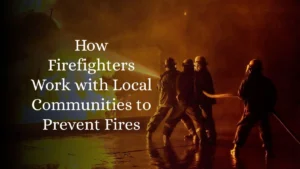
These programs are especially important in older neighborhoods, low-income areas, and homes with seniors or young children.
Emergency Medical Services And Everyday Health Support
In many communities, firefighters are also trained EMTs or paramedics, making them the first medical professionals on scene for emergencies. Medical calls now make up a large portion of fire department responses.
Firefighters provide immediate care for:
- Heart attacks and strokes
- Breathing emergencies
- Falls and injuries
- Overdoses and poisoning
- Severe allergic reactions
- Mental health crises
Quick medical intervention often makes the difference between life and death. Beyond emergencies, firefighters also assist with wellness checks, lift assistance for seniors, and referrals to healthcare or social services.
Disaster Preparedness And Community Resilience
Firefighters play a major role in preparing communities for disasters such as floods, storms, wildfires, industrial accidents, and large-scale emergencies. Their work often happens behind the scenes but is critical to community resilience.
Key preparedness activities include:
- Developing emergency response plans
- Training with police, hospitals, and public works
- Running evacuation drills and simulations
- Supporting shelters during disasters
- Coordinating mutual aid agreements with neighboring areas
When disasters strike, communities that have strong fire service planning recover faster and suffer fewer losses.
Inspections, Fire Codes, And Safety Enforcement
Firefighters also protect communities through fire inspections and safety code enforcement. These inspections help ensure that homes, schools, businesses, and public venues meet safety standards.
Common inspection responsibilities include:
- Checking exits and emergency lighting
- Inspecting fire alarms and sprinkler systems
- Ensuring clear fire lanes and hydrant access
- Reviewing building plans for safety compliance
- Supporting safety planning for public events
These efforts prevent tragedies before they happen and reduce the risk of large-scale emergencies.
Supporting Seniors, Children, And High-Risk Groups
Firefighters often focus their outreach on people who face higher risks during emergencies. Seniors, children, and individuals with disabilities benefit greatly from targeted safety programs.
Examples include:
- Fall-prevention education for older adults
- Home hazard checks for mobility issues
- School programs teaching children how to react in emergencies
- Outreach in multiple languages for diverse communities
By tailoring services to vulnerable groups, firefighters help ensure that safety efforts reach everyone, not just those who are easiest to serve.
Community Engagement And Trust Building
Firefighters are among the most trusted public servants, and that trust plays a major role in community strength. Through open houses, safety fairs, charity events, blood drives, and youth programs, firefighters build personal relationships with residents.
This trust leads to:
- Better cooperation during emergencies
- Earlier reporting of hazards
- Higher participation in safety programs
- Stronger volunteer support
- Greater respect for emergency instructions
When people know and trust their firefighters, the entire community becomes safer.
Community Impact
| Area Of Impact | Firefighter Activities | Community Benefit |
|---|---|---|
| Community Risk Reduction | Identifying risks, prevention planning | Fewer emergencies and injuries |
| Fire Prevention Education | School visits, safety workshops | Long-term behavior change |
| Smoke Alarm Programs | Alarm installation and home visits | Reduced fire-related deaths |
| Emergency Medical Services | Immediate medical care | Faster treatment and better outcomes |
| Disaster Preparedness | Planning and training | Faster recovery after disasters |
| Inspections And Codes | Safety checks and enforcement | Prevents large-scale incidents |
| Community Engagement | Events and outreach | Stronger trust and cooperation |
Career And Volunteer Firefighters Working Together
Many communities depend on a combination of career and volunteer firefighters. Volunteer firefighters are especially vital in rural and small-town areas, where they provide protection that would otherwise be unavailable.
Whether career or volunteer, firefighters often live in the communities they serve. This local connection strengthens community bonds and ensures that safety efforts reflect real local needs.
Firefighters do far more than respond to emergencies. Through prevention, education, medical care, planning, and community engagement, they help build safer and more resilient communities every day.
Their work reduces risks before disasters happen, supports people during crises, and helps neighborhoods recover afterward. In many ways, firefighters are not just emergency responders—they are community builders whose daily efforts protect lives, property, and the future of the communities they serve.
FAQs
How do firefighters help communities when there is no emergency?
Firefighters provide safety education, install smoke alarms, conduct inspections, support medical needs, and help communities prepare for disasters.
Why are medical calls such a large part of firefighter work today?
Firefighters are often trained medical responders, making them the fastest and most reliable help for urgent health emergencies.
How can residents support firefighter community programs?
Residents can participate in safety trainings, allow home safety visits, volunteer, donate to prevention programs, and follow fire safety guidance.
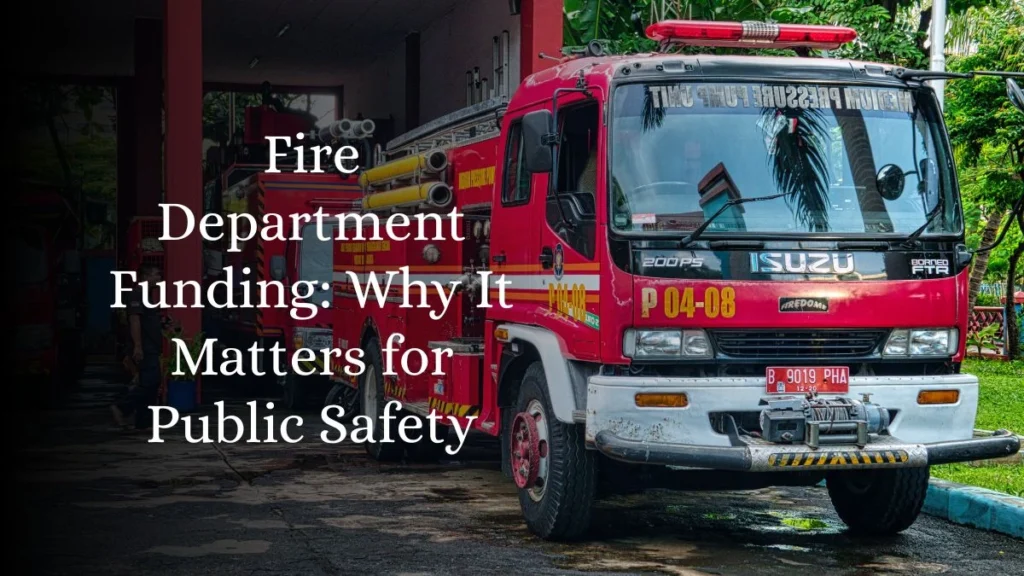
Fire Department Funding: Why It Matters for Public Safety
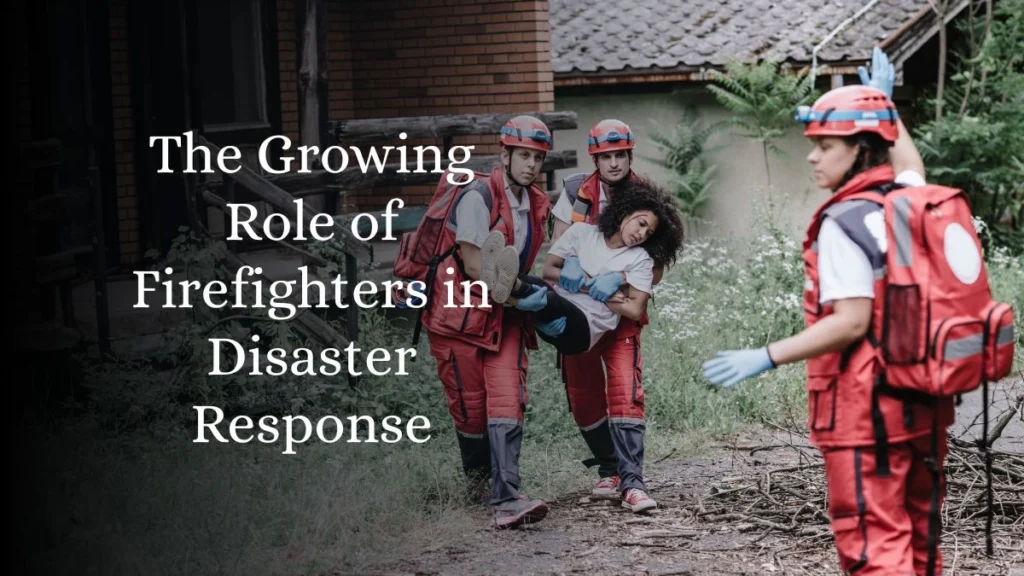
The Growing Role of Firefighters in Disaster Response
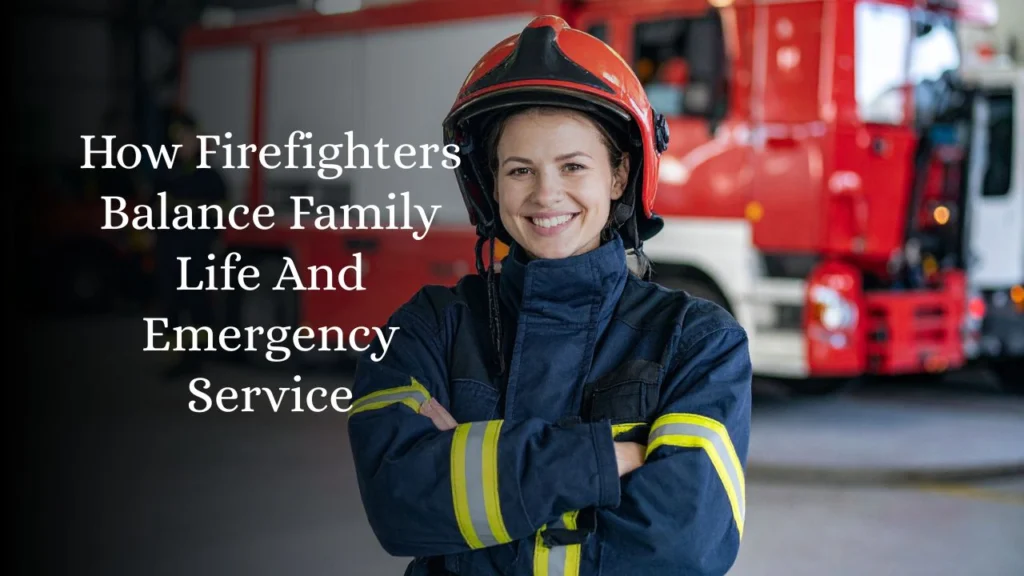
How Firefighters Balance Family Life And Emergency Service
How Firefighters Adapt to Modern Emergency Challenges
How Modern Firefighter Training Saves Lives On The Front Lines