Firefighting is one of the most dangerous professions in the world. Every call brings uncertainty, intense heat, toxic smoke, collapsing structures, and life-or-death decisions made in seconds.
In today’s world, fires are more complex than ever due to modern building materials, advanced electrical systems, lithium-ion batteries, and extreme weather conditions.
This is why modern firefighter training has become a critical lifesaving tool—not only for the public but also for firefighters themselves.
Unlike traditional training methods of the past, today’s programs focus on realistic simulations, advanced technology, physical conditioning, mental preparedness, and continuous skill development.
These improvements have significantly reduced injuries, improved rescue success rates, and increased survival chances on the front lines.
Why Firefighter Training Has Changed Over Time?
Firefighting is no longer just about spraying water on flames. Modern fires burn hotter, spread faster, and release more toxic gases than fires decades ago. Synthetic materials found in furniture, vehicles, and construction now produce deadly smoke in minutes.
As a result, firefighter training has evolved to match these new risks. Departments now emphasize preparation for high-rise fires, vehicle collisions, hazardous materials, wildfires, and medical emergencies—all within a single training framework.
Key reasons training has changed include:
- Faster fire spread due to modern materials
- Increased structural collapse risks
- More frequent medical and rescue calls
- Rising firefighter injury and stress levels
- Public expectations for rapid, effective response
Realistic Live-Fire Training Improves Decision-Making
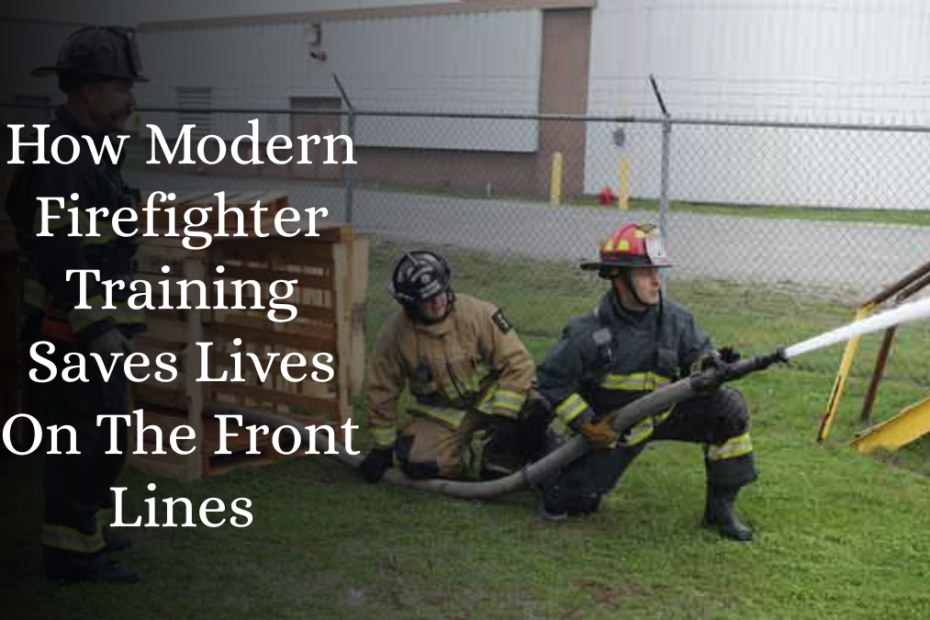
One of the biggest improvements in modern training is controlled live-fire simulations. Firefighters now train in burn buildings designed to recreate real-life conditions such as limited visibility, extreme heat, and unpredictable fire behavior.
These simulations teach firefighters how to:
- Read smoke and flame movement
- Choose the safest entry points
- Control ventilation effectively
- Communicate under pressure
- Make split-second rescue decisions
This type of hands-on experience builds muscle memory and confidence, allowing firefighters to respond faster and more accurately during real emergencies.
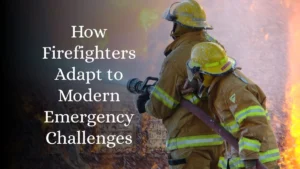
Advanced Technology Enhances Fireground Safety
Technology plays a major role in saving lives on the fireground. Modern firefighter training includes hands-on use of advanced tools that were unavailable in the past.
Key Technologies Used In Training
- Thermal imaging cameras to locate victims through smoke
- Drones for assessing roof conditions and fire spread
- Fire behavior simulation software for strategy planning
- Smart breathing apparatus that monitor air supply and health
Training firefighters to use these tools correctly ensures they are fully prepared when every second counts.
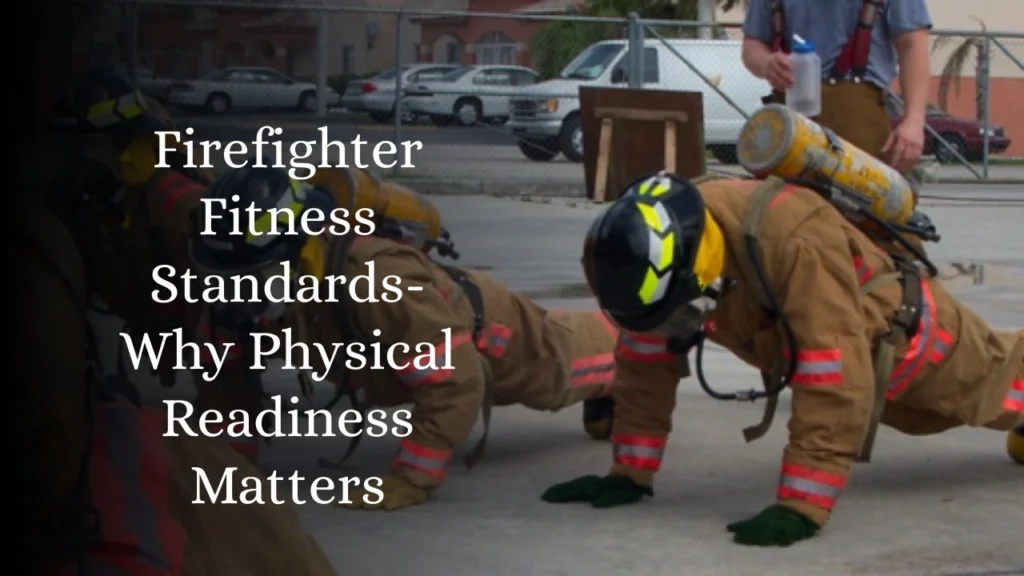
Physical Fitness Training Prevents Injuries And Fatalities
Firefighting places extreme physical demands on the body. Carrying heavy gear, climbing stairs, dragging hoses, and rescuing victims require strength, endurance, and flexibility.
Modern training programs include structured fitness standards that focus on:
- Cardiovascular endurance
- Functional strength
- Mobility and flexibility
- Injury prevention techniques
By maintaining physical readiness, firefighters reduce the risk of heart attacks, strains, and exhaustion—the leading causes of firefighter line-of-duty deaths.
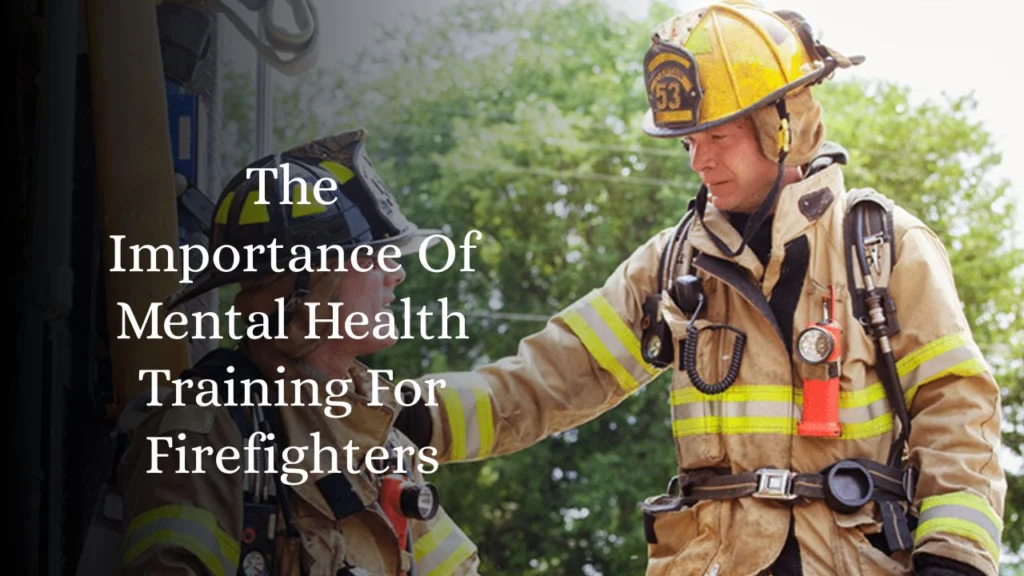
Mental Health Training Saves Lives Too
Firefighters face traumatic scenes regularly, including fatalities, severe injuries, and child rescues. Modern firefighter training now recognizes that mental strength is just as important as physical strength.
Training programs increasingly include:
- Stress management techniques
- Emotional resilience training
- Peer support systems
- Early recognition of burnout and PTSD
When firefighters are mentally prepared, they make clearer decisions under pressure and are less likely to suffer long-term psychological harm.
Medical And Rescue Training Expands Firefighter Roles
Today, firefighters are often the first medical responders at emergency scenes. Modern training includes advanced life-saving skills such as:
- CPR and advanced airway management
- Trauma care and bleeding control
- Vehicle extrication techniques
- Water and technical rescue operations
This expanded training allows firefighters to save lives before ambulances even arrive, especially in rural or high-risk areas.
Team-Based Training Improves Communication And Coordination
Firefighting is never a solo job. Modern training emphasizes team coordination, communication, and leadership development. Firefighters train together repeatedly to understand each other’s movements, signals, and decision-making styles.
Strong teamwork helps:
- Reduce confusion during emergencies
- Prevent accidents and miscommunication
- Improve rescue efficiency
- Protect firefighters operating inside structures
Clear communication saves lives—both civilian and firefighter lives
Continuous Training Keeps Skills Sharp
Modern firefighter training is no longer a one-time academy experience. Departments now require ongoing education, refresher courses, and scenario-based drills throughout a firefighter’s career.
This ensures firefighters stay updated on:
- New building designs
- Emerging fire risks
- Updated safety protocols
- Latest rescue technologies
Continuous training means firefighters never stop improving—and that constant improvement directly translates into safer outcomes on the front lines.
Key Benefits Of Modern Firefighter Training
| Training Area | How It Saves Lives |
|---|---|
| Live-Fire Simulations | Improves decision-making under real conditions |
| Advanced Technology | Helps locate victims faster and safer |
| Physical Fitness | Reduces injuries and cardiac emergencies |
| Mental Health Training | Prevents burnout and improves focus |
| Medical Training | Enables immediate life-saving care |
| Team Coordination | Prevents errors and increases rescue success |
Modern firefighter training is not just about learning techniques—it is about saving lives at every level. From advanced simulations and cutting-edge technology to physical conditioning and mental resilience, today’s training prepares firefighters for the realities of modern emergencies.
These programs reduce injuries, increase survival rates, and ensure that firefighters return home safely after every call.
As fires and emergencies continue to evolve, ongoing investment in firefighter training remains one of the most powerful tools for protecting both communities and those who serve them.
FAQs
Why is modern firefighter training more effective than older methods?
Modern training uses realistic simulations, advanced technology, and continuous education, making firefighters better prepared for real-world emergencies.
Does firefighter training include mental health support?
Yes, modern programs now include stress management, emotional resilience, and peer support to protect firefighter mental well-being.
How often do firefighters receive training today?
Most firefighters train regularly throughout their careers with drills, refresher courses, and updated safety programs.
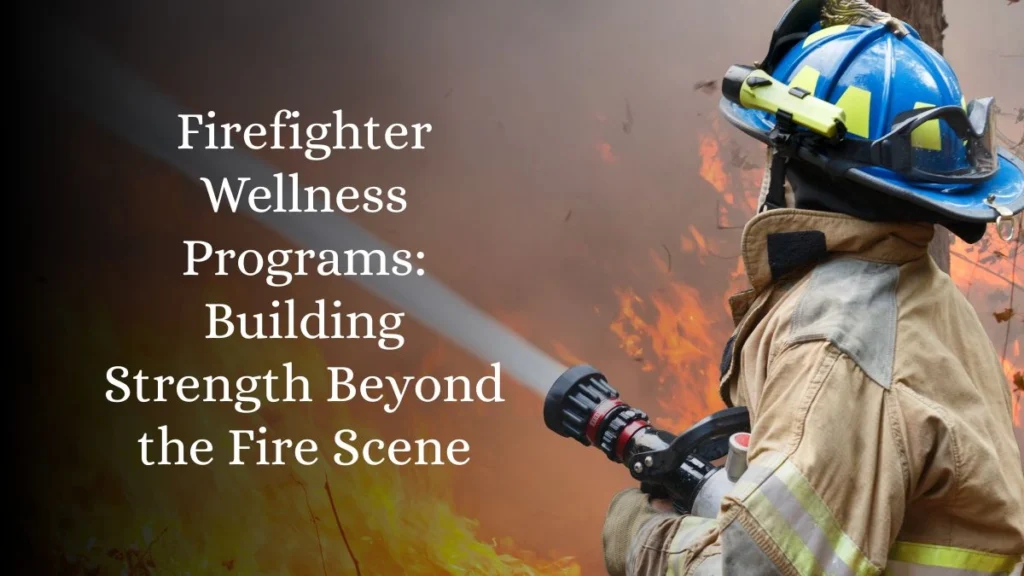
Firefighter Wellness Programs: Building Strength Beyond the Fire Scene
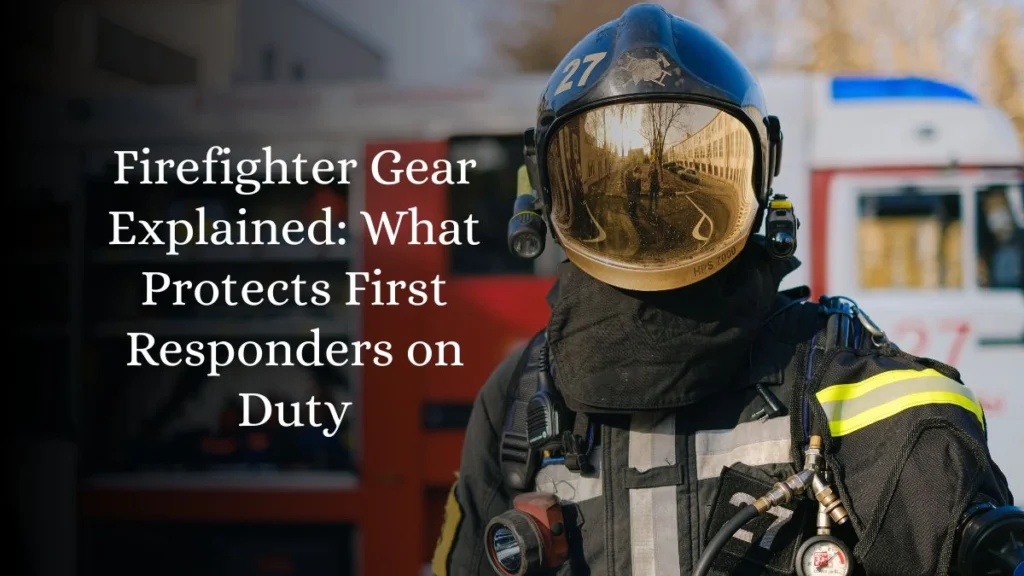
Firefighter Gear Explained: What Protects First Responders on Duty
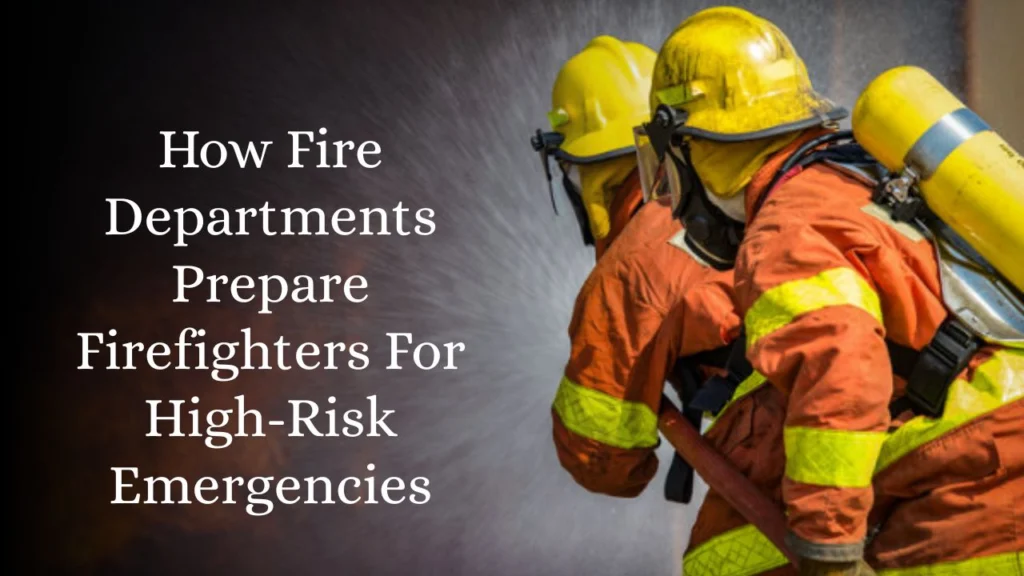
How Fire Departments Prepare Firefighters For High-Risk Emergencies
Firefighter Fitness Standards- Why Physical Readiness Matters
The Importance Of Mental Health Training For Firefighters