Firefighting is one of the most dangerous professions in the world. Every call can involve extreme heat, toxic smoke, collapsing structures, hazardous materials, and unpredictable situations.
Because of these risks, firefighter safety is not optional—it is a critical responsibility that protects lives, careers, and communities.
This detailed guide explains the most important safety principles every professional firefighter must follow, from personal protective equipment to mental health awareness.
Whether you are a new recruit or an experienced responder, these safety fundamentals help reduce injuries, fatalities, and long-term health risks.
Understanding The Risks Firefighters Face
Firefighters work in environments that change rapidly. A safe scene can become deadly within seconds. Common dangers include flashovers, backdrafts, falling debris, explosions, and oxygen-deficient spaces.
Long-term risks such as heart disease, cancer exposure, and mental stress also affect firefighters throughout their careers.
Recognizing these dangers is the first step toward building strong safety habits.
Proper Use Of Personal Protective Equipment (PPE)
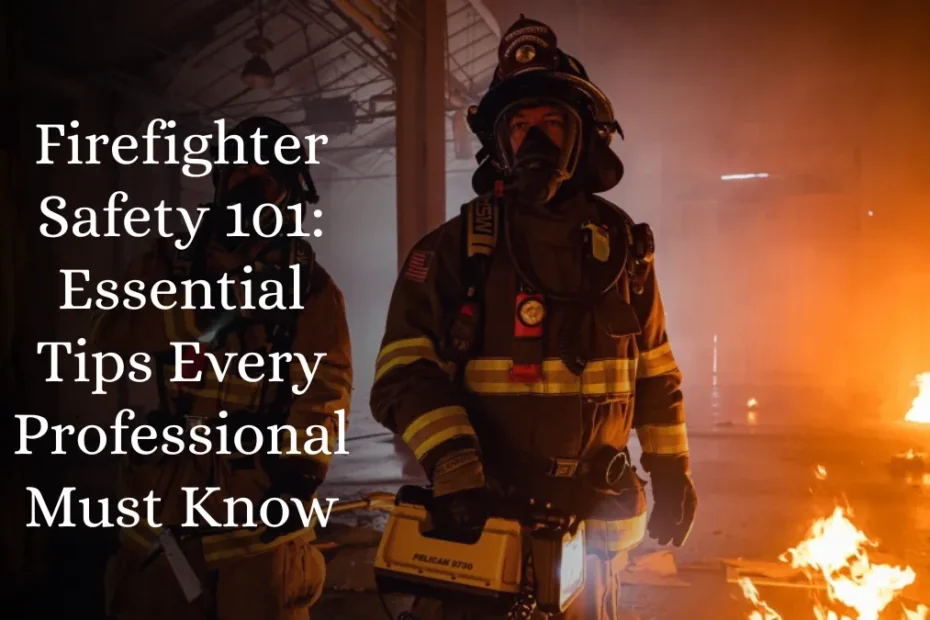
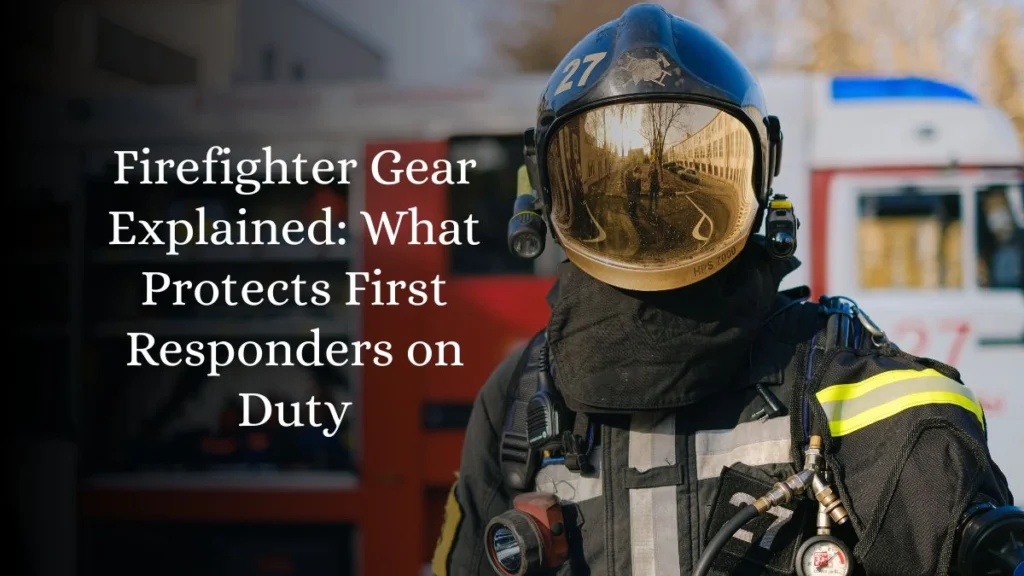
Personal Protective Equipment is a firefighter’s first line of defense. Every piece of gear is designed to protect against a specific hazard.
Essential PPE Includes:
- Helmet for head and impact protection
- Turnout coat and pants to resist heat and flames
- Fire-resistant gloves for grip and burn protection
- Boots to shield feet from sharp objects and heat
- Self-Contained Breathing Apparatus (SCBA) to prevent smoke inhalation
Firefighters must inspect PPE before every shift, ensure proper fit, and replace damaged gear immediately. Wearing incomplete or faulty PPE significantly increases injury risk.
Breathing Safety And Air Management
Smoke inhalation is one of the leading causes of firefighter injuries and deaths. Toxic gases like carbon monoxide and hydrogen cyanide are often invisible and odorless.
Key Air Safety Rules:
- Always use SCBA in smoke-filled or unknown environments
- Monitor air supply levels constantly
- Exit before air runs critically low
- Never remove face masks during overhaul without air testing
Proper air management training saves lives and prevents long-term lung damage.
Situational Awareness On The Fireground
Situational awareness means knowing what is happening around you at all times. Fireground conditions can change rapidly due to structural weakening, weather, or fire behavior.
Firefighters should:
- Continuously assess fire movement and heat levels
- Watch for signs of collapse or flashover
- Maintain visual and verbal contact with crew members
- Follow command instructions without delay
Losing situational awareness is a major factor in firefighter accidents.
Teamwork And Communication
Firefighting is never a solo job. Clear communication and teamwork are critical for safety.
Best Communication Practices:
- Use standard radio terminology
- Confirm messages with acknowledgments
- Report changing conditions immediately
- Follow the Incident Command System (ICS)
Strong communication ensures everyone knows their role and helps command make safer decisions.
Safe Entry, Search, And Exit Procedures
Interior firefighting is extremely dangerous. Firefighters must follow systematic entry and exit strategies to avoid disorientation and entrapment.
Key safety practices include:
- Carrying forcible entry tools at all times
- Using hose lines or search ropes as guides
- Marking searched rooms clearly
- Knowing multiple exit routes
A disciplined approach to movement inside structures reduces the risk of becoming lost or trapped.
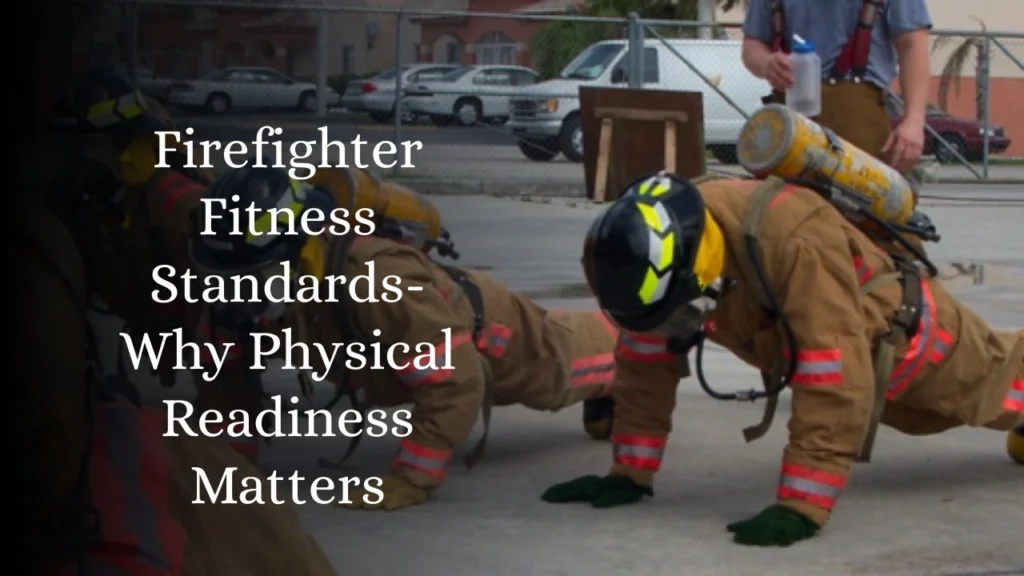
Physical Fitness And Health Maintenance
Firefighting requires strength, endurance, and cardiovascular fitness. Poor physical condition increases the risk of heart attacks, injuries, and exhaustion.
Firefighters should:
- Participate in regular fitness training
- Maintain a balanced diet and hydration
- Get adequate rest between shifts
- Attend routine medical screenings
Physical readiness directly impacts safety and performance during emergencies.
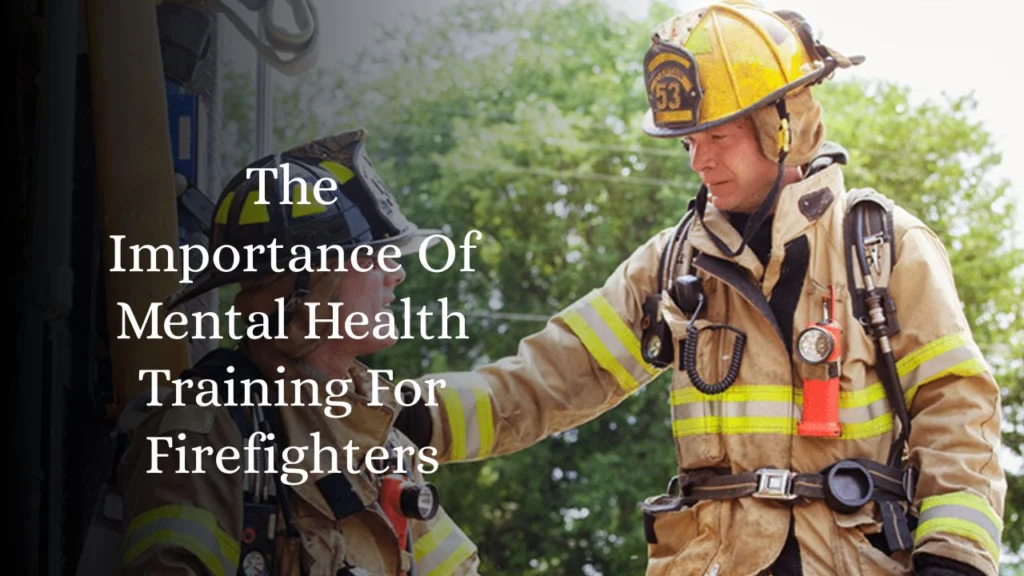
Mental Health And Stress Awareness
Firefighters are regularly exposed to traumatic events, including fatalities and severe injuries. Ignoring mental health can lead to burnout, depression, or post-traumatic stress.
Mental Safety Tips:
- Talk openly about stress and emotional strain
- Use peer support or counseling services
- Recognize signs of fatigue or emotional overload
- Encourage a culture where asking for help is normal
Mental well-being is just as important as physical protection.
Continuous Training And Skill Refreshment
Safety procedures evolve as new equipment and research emerge. Ongoing training keeps firefighters prepared for modern challenges.
Training should include:
- Live fire drills
- Rescue simulations
- Hazardous materials response
- Emergency medical skills
Firefighters who train consistently respond more safely and confidently in real incidents.
Firefighter Safety Quick Reference Table
| Safety Area | Key Focus |
|---|---|
| PPE Usage | Proper fit, inspection, full protection |
| Air Safety | SCBA use, air monitoring |
| Communication | Clear radio use, command structure |
| Fitness | Strength, endurance, heart health |
| Mental Health | Stress management, peer support |
| Training | Regular drills, updated skills |
Firefighter safety is built on discipline, preparation, teamwork, and awareness.
No call is routine, and no risk should be underestimated. By consistently using protective gear, maintaining physical and mental health, communicating effectively, and staying trained, firefighters greatly reduce the dangers they face every day.
Safety is not a single action—it is a mindset that protects lives, both on the fireground and beyond.
FAQs
Why is firefighter safety training so important?
Safety training prepares firefighters to handle dangerous situations, reduce injuries, and respond effectively to unpredictable fireground conditions.
What is the most critical piece of firefighter safety equipment?
The SCBA is one of the most critical tools because it protects firefighters from toxic smoke and oxygen-deficient environments.
How can firefighters protect their mental health?
Firefighters can protect mental health by using peer support, counseling services, stress management techniques, and maintaining open communication within their teams.
Firefighter Wellness Programs: Building Strength Beyond the Fire Scene
Firefighter Gear Explained: What Protects First Responders on Duty
How Fire Departments Prepare Firefighters For High-Risk Emergencies
Firefighter Fitness Standards- Why Physical Readiness Matters
The Importance Of Mental Health Training For Firefighters