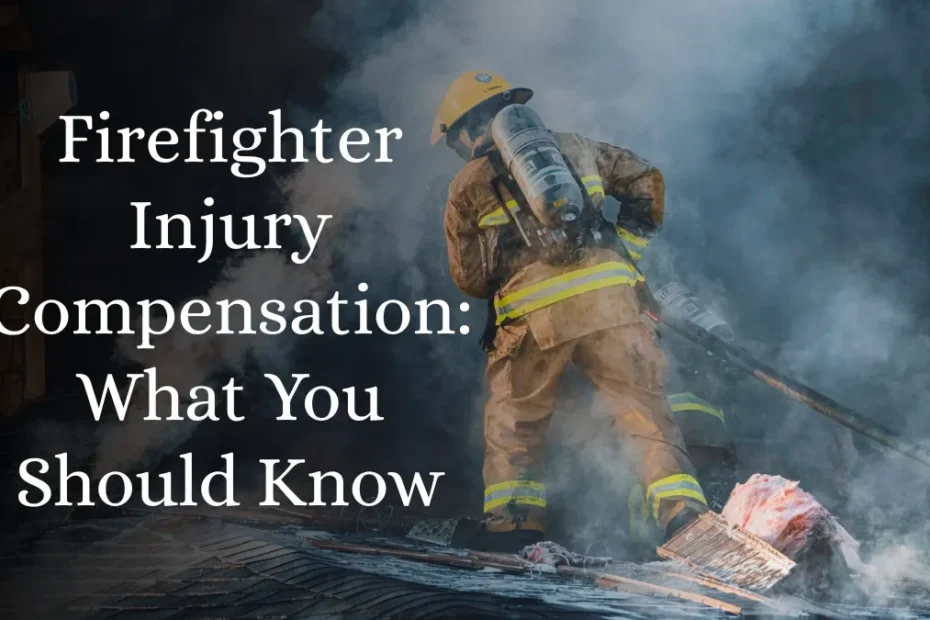
Firefighting is one of the most dangerous professions in the world. Every shift exposes firefighters to extreme heat, toxic smoke, structural collapses, hazardous materials, and life-threatening emergencies. While firefighters accept these risks to protect the public, injuries are an unfortunate reality of the job.
That is why firefighter injury compensation exists—to provide financial support, medical care, and long-term security when injuries occur in the line of duty.
Understanding how compensation works can help firefighters and their families protect their rights and plan for the future.
This guide explains everything you need to know, including eligibility, benefits, claims, and common challenges.
Understanding Firefighter Injury Compensation
Firefighter injury compensation refers to financial and medical benefits available to firefighters who are injured while performing job-related duties. These programs are designed to ensure injured firefighters can recover without the added burden of lost income or unpaid medical bills.
Compensation programs may vary by state or department, but they typically include:
- Workers’ compensation
- Disability benefits
- Medical coverage
- Death benefits for surviving families
The goal is simple: support firefighters when injuries prevent them from working temporarily or permanently.
Common Injuries Firefighters Face
Firefighting injuries range from minor strains to life-altering conditions. Some of the most common include:
- Burn injuries from flames, steam, or hot surfaces
- Smoke inhalation and respiratory damage
- Musculoskeletal injuries such as back, knee, and shoulder damage
- Head injuries and concussions
- Hearing loss from sirens and explosions
- Heat exhaustion and heat stroke
- Exposure-related illnesses, including cancer and heart disease
Many injuries develop over time due to repeated exposure, making compensation claims more complex but equally important.
How Firefighter Injury Compensation Works?
When a firefighter is injured on duty, compensation usually begins with workers’ compensation insurance. This system is designed to provide benefits regardless of who was at fault for the injury.
Typical Compensation Benefits
| Type Of Benefit | What It Covers |
|---|---|
| Medical Expenses | Hospital care, surgery, medication, rehabilitation |
| Wage Replacement | Partial income while unable to work |
| Temporary Disability | Support during short-term recovery |
| Permanent Disability | Long-term or lifetime payments |
| Death Benefits | Financial support for surviving dependents |
These benefits help stabilize finances while the firefighter focuses on recovery.
Who Is Eligible For Firefighter Injury Compensation?
Eligibility depends on several factors, but most firefighters qualify if:
- The injury occurred while performing job-related duties
- The firefighter was officially employed or volunteering with a recognized department
- The injury was reported within required timelines
Both career and volunteer firefighters may qualify, though benefits may differ based on employment status and local laws.
Presumptive Injury Laws For Firefighters
Many states have presumptive laws that recognize certain illnesses as job-related for firefighters. This is especially important for conditions that develop over time.
Presumptive laws often cover:
- Cancer
- Heart disease
- Lung and respiratory illnesses
- Post-traumatic stress disorder (PTSD)
Under these laws, firefighters do not need to prove the illness was caused by the job—the law assumes it was unless proven otherwise. This significantly improves access to compensation.
Filing A Firefighter Injury Compensation Claim
Filing a claim properly is critical. Mistakes or delays can lead to denied benefits.
Key Steps To Follow
- Report the injury immediately to a supervisor
- Seek medical attention and document all treatment
- Complete required claim forms accurately
- Keep copies of all records, including incident reports
- Follow medical and return-to-work instructions
Timely reporting is essential. Many systems have strict deadlines that, if missed, can limit or eliminate benefits.
Challenges Firefighters May Face
Despite existing protections, firefighters sometimes encounter obstacles when seeking compensation.
Common Issues Include
- Claims denied due to lack of documentation
- Disputes over whether the injury was job-related
- Delays in medical approvals
- Difficulty proving long-term or cumulative injuries
- Pressure to return to work too soon
Understanding your rights and maintaining detailed records can help overcome these challenges.
Disability Benefits For Injured Firefighters
If an injury prevents a firefighter from returning to duty, disability benefits may apply.
Types Of Disability Benefits
- Temporary Total Disability: Cannot work at all for a limited time
- Temporary Partial Disability: Can work limited duties
- Permanent Partial Disability: Long-term impairment but some work ability
- Permanent Total Disability: Unable to return to firefighting or other work
Disability benefits are often calculated based on salary, injury severity, and ability to work.
Mental Health Injuries And PTSD Coverage
Firefighters regularly witness traumatic events, and mental health injuries are increasingly recognized.
Compensation may cover:
- PTSD
- Anxiety disorders
- Depression
- Stress-related conditions
Many jurisdictions now recognize mental health injuries as legitimate workplace injuries, especially when linked to specific traumatic incidents.
Death Benefits For Firefighter Families
When a firefighter dies due to a job-related injury or illness, surviving family members may be entitled to death benefits.
These benefits may include:
- Ongoing financial support for dependents
- Coverage of funeral expenses
- Survivor pensions or lump-sum payments
These benefits are crucial for families facing emotional and financial loss.
Protecting Your Rights As A Firefighter
To ensure fair compensation:
- Report all injuries, even minor ones
- Seek medical care promptly
- Keep detailed documentation
- Understand local compensation laws
- Ask for assistance if your claim is denied
Being proactive helps protect your health, income, and future.
Firefighters dedicate their lives to protecting others, often at great personal risk. Firefighter injury compensation exists to honor that sacrifice by providing medical care, income protection, and long-term security when injuries occur.
Understanding how compensation works—from eligibility and benefits to claims and disability coverage—empowers firefighters and their families to navigate difficult situations with confidence.
If you or a loved one is injured in the line of duty, knowing your rights can make all the difference in recovery and financial stability.
FAQs
Are volunteer firefighters eligible for injury compensation?
Yes, many volunteer firefighters qualify for injury compensation, though benefits may vary by state or department.
Can firefighters receive compensation for cancer or heart disease?
Yes, in many areas presumptive laws cover cancer, heart disease, and other long-term illnesses.
What should I do if my injury compensation claim is denied?
Review the denial reason, gather supporting documentation, and consider appealing through the proper channels.
Why Becoming a Firefighter Is More Than Just a Career

How Firefighters Balance Family Life And Emergency Service

The Importance of Fire Prevention Education In Saving Lives

Firefighter Stories That Inspire Courage And Commitment
A Day in the Life of a Professional Firefighter