Firefighters face some of the most dangerous working conditions of any profession. From burning high-rise buildings and vehicle pileups to chemical spills and mass-casualty events, every call can change in seconds. Fire departments do not rely on instinct alone.
They prepare firefighters for high-risk emergencies through a structured system of training, fitness, safety standards, leadership development, and continuous evaluation.
Preparation is not limited to one academy class or a yearly refresher. It is a career-long process designed to ensure firefighters can operate safely, think clearly under pressure, and protect both the public and their fellow crew members.
What High-Risk Emergency Preparedness Means
High-risk emergency preparedness means firefighters are trained to:
- Identify danger early before conditions worsen
- Follow proven operational procedures even under stress
- Communicate clearly using radios and command structures
- Rescue civilians and fellow firefighters safely
- Limit injuries, fatalities, and long-term health risks
Fire departments plan for worst-case scenarios, not average calls. This mindset shapes every part of firefighter preparation.
Recruit Academy Training: Building The Foundation
Preparation begins at the fire recruit academy, where new firefighters learn essential skills before responding to real emergencies.
Key academy training areas include:
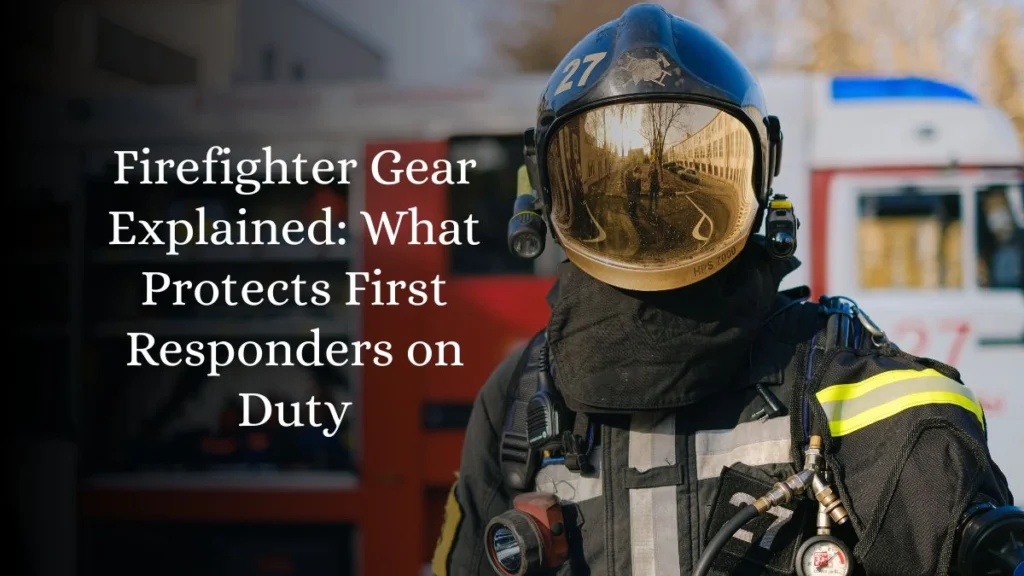
- Personal Protective Equipment (PPE) use and inspection
- Self-Contained Breathing Apparatus (SCBA) operation and emergency procedures
- Hose handling, water supply, and fire attack basics
- Ladder operations and roof access
- Search-and-rescue techniques in low visibility
- Basic emergency medical care and patient movement
- Fire behavior awareness and building construction basics
The academy focuses on muscle memory. Firefighters repeat tasks until correct actions become automatic, reducing mistakes when stress levels rise.
Live-Fire Training: Learning To Work In Real Heat
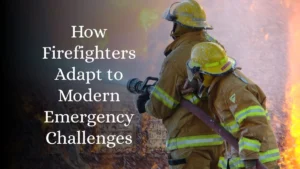
Live-fire training places firefighters in controlled burn environments that simulate real structure fires. These drills expose firefighters to heat, smoke, and limited visibility while instructors monitor every evolution.
Live-fire training focuses on:
- Reading smoke and fire behavior
- Coordinated hose advancement
- Door control and ventilation timing
- Primary and secondary search techniques
- Victim rescue under realistic conditions
- Crew movement and spacing
Strict safety rules are followed to ensure realism without unnecessary risk. Live-fire training builds confidence, discipline, and teamwork that cannot be developed in classrooms alone.
Fireground Survival, Mayday, And Rapid Intervention Training
One of the most critical areas of preparation is firefighter survival training. Fire departments train for the moment when a firefighter becomes lost, trapped, injured, or low on air.
Mayday Training
A Mayday is an emergency radio call used when a firefighter is in immediate danger. Firefighters practice:
- Air management and emergency breathing techniques
- Staying calm and conserving air
- Clear radio communication under stress
- Self-rescue methods when escape paths are blocked
Rapid Intervention Teams (RIT)
Fire departments assign dedicated crews trained to rescue firefighters in trouble. RIT training includes:
- Locating downed firefighters quickly
- Managing damaged or empty air cylinders
- Packaging and removing firefighters from tight spaces
- Coordinating rescue efforts without disrupting ongoing operations
These skills are practiced repeatedly because firefighter rescue is one of the most dangerous fireground operations.
Specialized Training For High-Risk Incidents
Hazardous Materials Response
Hazardous materials incidents involve chemicals, fuels, gases, and unknown substances. Firefighters are trained to:
- Recognize hazardous materials placards and indicators
- Establish hot, warm, and cold zones
- Use protective suits and respiratory equipment
- Perform decontamination safely
- Limit exposure to civilians and responders
Technical Rescue Training
Many departments train in advanced rescue disciplines, including:
- High-angle rope rescue
- Confined space rescue
- Trench collapse rescue
- Swift water and flood rescue
These rescues require precise movements, equipment checks, and constant communication.
Active Threat And Mass-Casualty Response
Fire departments also prepare for violent or unstable scenes by training with law enforcement and EMS agencies. This includes:
- Staging procedures for responder safety
- Rapid triage systems
- Patient movement under security protection
- Unified communication during large-scale incidents
Incident Command System And Leadership Preparation
High-risk emergencies require strong leadership and clear organization. Fire departments train officers and firefighters in the Incident Command System (ICS) to manage complex scenes.
ICS training teaches:
- Scene size-up and risk evaluation
- Assigning tasks and managing resources
- Accountability and crew tracking
- Coordinating with police, EMS, and public agencies
- Expanding command as incidents grow
Many departments use standardized ICS models promoted by organizations such as FEMA and National Fire Protection Association to maintain consistency nationwide.
Fitness And Medical Readiness For High-Risk Work
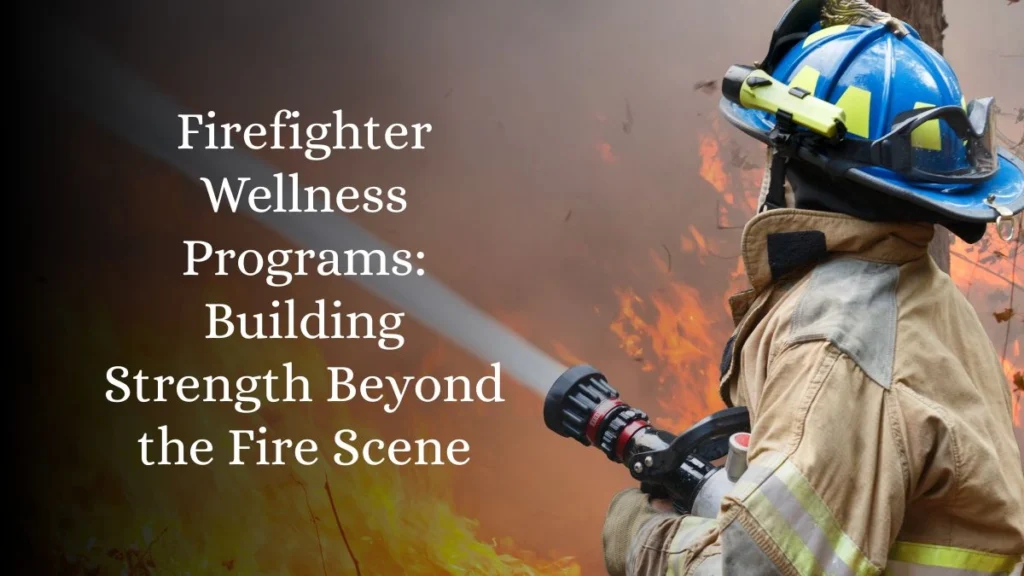
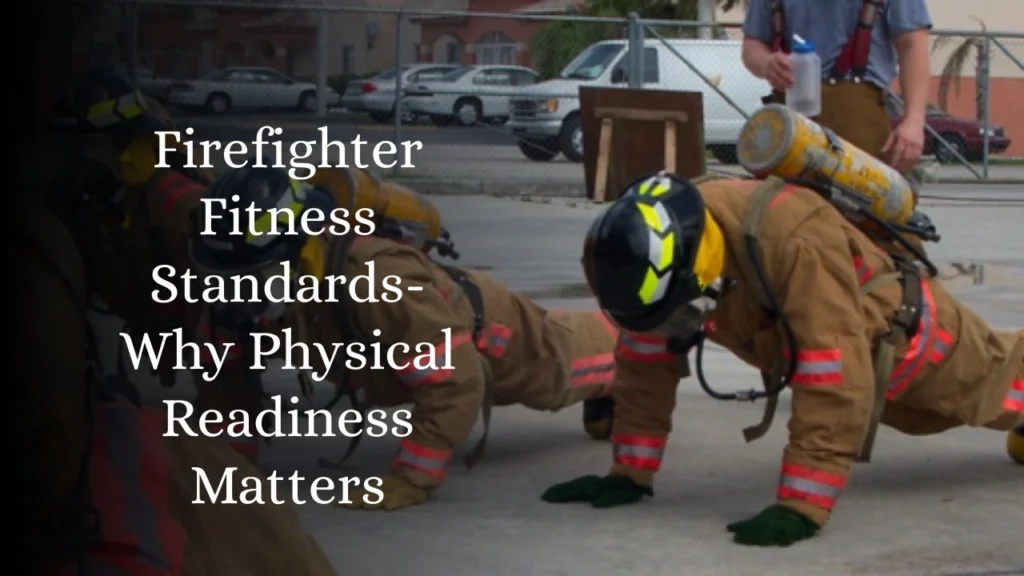
Firefighting is physically demanding. Departments prepare firefighters through fitness programs and medical evaluations to reduce injury and cardiac events.
Common fitness preparation includes:
- Job-specific strength training
- Cardiovascular endurance conditioning
- Flexibility and mobility work
- Heat stress awareness and hydration education
Medical readiness programs monitor heart health, lung function, and overall fitness to ensure firefighters are physically capable of performing high-risk tasks.
Exposure Reduction And Long-Term Health Training
Modern fire departments recognize that toxic exposure is one of the greatest long-term risks firefighters face. Training now includes methods to reduce exposure to smoke, chemicals, and contaminated gear.
Firefighters are trained to:
- Wear breathing protection during overhaul
- Perform on-scene gross decontamination
- Handle and store contaminated gear properly
- Clean equipment regularly
- Reduce exposure inside fire stations and vehicles
These practices protect firefighters not only during emergencies but throughout their careers.
Training Areas And Readiness Benchmarks
| Training Area | Focus Of Training | Typical Frequency | Purpose |
|---|---|---|---|
| Live-Fire Training | Fire behavior, attack, search | Quarterly or biannual | Realistic fire conditions |
| Mayday & Survival | Air management, self-rescue | Quarterly | Firefighter safety |
| Rapid Intervention | Firefighter rescue operations | Quarterly | Crew survival |
| Hazmat Response | Chemical safety and decon | Annual or quarterly | Exposure control |
| Technical Rescue | Rope, confined space, water | Ongoing | Complex rescues |
| Incident Command | Leadership and coordination | Continuous | Scene management |
| Fitness & Medical | Strength and health screening | Weekly and annual | Injury prevention |
| Exposure Reduction | Decon and gear handling | Every incident | Long-term health |
Continuous Improvement Through Reviews And Drills
Preparation does not stop after training ends. Fire departments improve readiness by:
- Conducting after-action reviews following major incidents
- Updating standard operating procedures when risks change
- Running tabletop simulations for officers
- Incorporating lessons learned from past emergencies
This cycle ensures firefighters are always adapting to new hazards, equipment, and community needs.
Fire departments prepare firefighters for high-risk emergencies through structured training systems, realistic drills, leadership development, fitness programs, and exposure reduction practices.
From recruit academy to retirement, firefighters continually train for the moments when conditions are unpredictable and lives are on the line.
This preparation allows firefighters to operate with discipline, confidence, and teamwork—protecting the public while giving themselves the best chance of returning home safely after every call.
FAQs
How often do firefighters train for high-risk emergencies?
Firefighters train continuously, with core skills practiced monthly or quarterly and advanced scenarios reviewed throughout the year.
Why is live-fire training so important?
Live-fire training exposes firefighters to real heat and smoke, helping them understand fire behavior and perform correctly under realistic conditions.
What is the biggest focus in modern firefighter training?
Along with emergency response skills, departments now place strong emphasis on health, fitness, and exposure reduction to protect firefighters long-term.
Firefighter Wellness Programs: Building Strength Beyond the Fire Scene
Firefighter Gear Explained: What Protects First Responders on Duty
Firefighter Fitness Standards- Why Physical Readiness Matters
The Importance Of Mental Health Training For Firefighters
How Modern Firefighter Training Saves Lives On The Front Lines