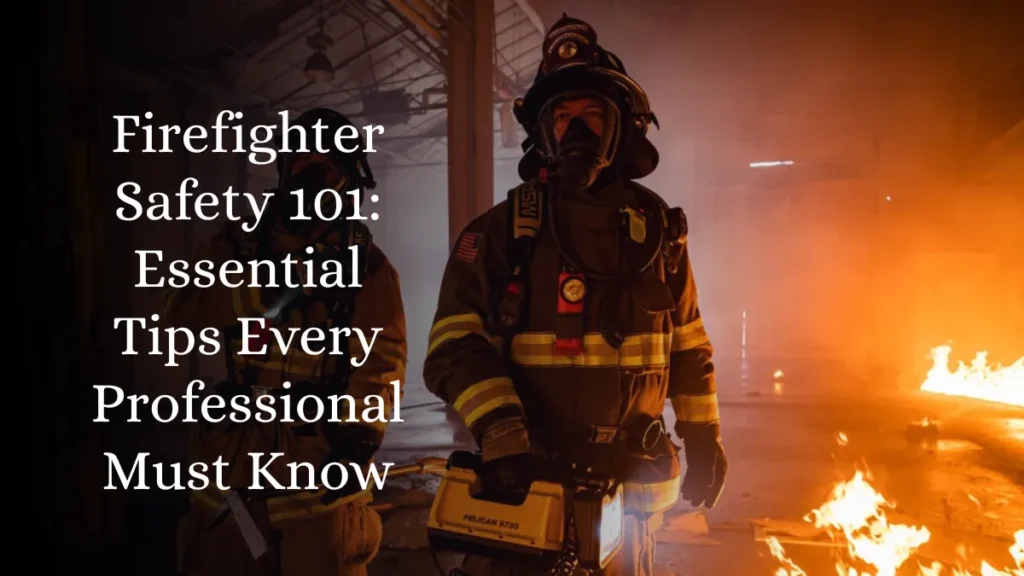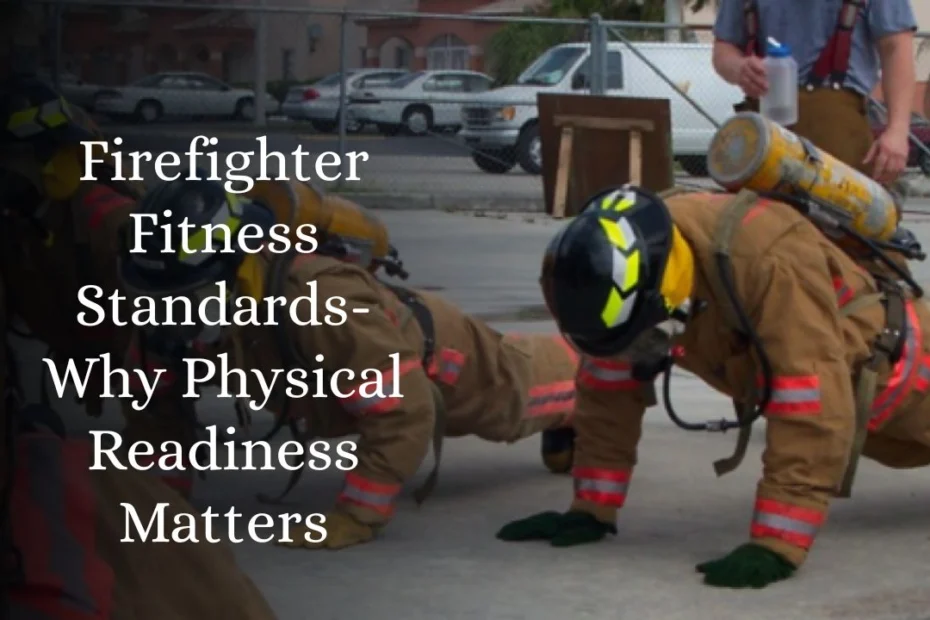
Firefighting is one of the most physically demanding professions in the world. Firefighters do not simply respond to fires — they climb stairs in heavy gear, drag charged hoses, force open doors, rescue victims, and work in extreme heat and smoke while making split-second decisions.
Because of these intense demands, firefighter fitness standards exist to ensure firefighters are physically prepared to perform their duties safely and effectively.
Physical readiness is not about appearance or athletic competition. It is about strength, stamina, endurance, and recovery. Without proper fitness, firefighters face a higher risk of injuries, heat exhaustion, cardiac emergencies, and line-of-duty deaths.
This is why departments across the country emphasize fitness testing, wellness programs, and ongoing physical conditioning.
What Firefighter Fitness Standards Really Mean
Firefighter fitness standards are guidelines used to confirm that firefighters can safely perform essential job tasks. These standards usually fall into two categories:
- Entry-level physical ability testing for new recruits
- Ongoing fitness and medical readiness benchmarks for active firefighters
The purpose of these standards is to reduce injuries, improve performance, and protect both firefighters and the public. Firefighting tasks cannot be paused or slowed down — emergencies demand immediate physical action, often for extended periods.
Physical Demands Of Firefighting
Firefighting requires a unique combination of physical abilities. Unlike most jobs, firefighters must perform high-intensity work while wearing heavy protective equipment and operating in dangerous environments.
Key physical demands include:
- Cardiovascular endurance to sustain effort during long incidents
- Muscular strength for lifting, dragging, and carrying heavy loads
- Muscular endurance to repeat demanding tasks without rest
- Grip strength to control tools, hoses, and ladders
- Flexibility and mobility for crawling, climbing, and confined spaces
- Heat tolerance and recovery ability while wearing protective gear
Firefighters often wear personal protective equipment and breathing apparatus that can add 50 to 75 pounds of extra weight. This additional load dramatically increases heart rate and fatigue, making physical fitness essential.
CPAT: The Standard Firefighter Physical Ability Test
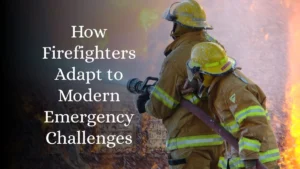
One of the most widely recognized firefighter fitness tests is the Candidate Physical Ability Test (CPAT). This test is designed to simulate real fireground tasks.
CPAT Key Facts:
- Consists of 8 sequential job-related events
- Completed while wearing a weighted vest
- Total time limit of 10 minutes and 20 seconds
- Pass/fail format with no rest between events
CPAT Events Include:
- Stair Climb
- Hose Drag
- Equipment Carry
- Ladder Raise And Extension
- Forcible Entry
- Search
- Rescue
- Ceiling Breach And Pull
These tasks replicate movements firefighters perform during real emergencies, such as climbing stairs in high-rise buildings, dragging hoses, rescuing victims, and breaking through walls or ceilings.
Aerobic Capacity And METs Explained
Aerobic capacity is a critical component of firefighter fitness. It refers to how efficiently the heart and lungs deliver oxygen during intense activity.
Fitness is often measured using METs (Metabolic Equivalents). METs represent how much energy the body uses during physical activity.
General fitness benchmarks used in the fire service include:
- 12 METs as a strong indicator of full-duty readiness
- 10 to 12 METs suggesting the need for improved conditioning
- Below 10 METs potentially raising concerns for safe fireground performance
Fireground tasks can rapidly push firefighters close to their maximum physical capacity. Adequate aerobic fitness allows firefighters to work harder, longer, and recover faster between tasks.
Why Physical Readiness Saves Lives
Reduces Line-Of-Duty Injuries
Muscle strains, joint injuries, and back problems are common when firefighters are fatigued. Strong legs, hips, and core muscles reduce injury risk during lifting, carrying, and dragging.
Improves Heat Tolerance
Firefighters operate in extreme heat while wearing insulated protective gear. Better fitness improves the body’s ability to regulate temperature and recover after exertion.
Protects Heart Health
Sudden cardiac events remain one of the leading causes of firefighter line-of-duty deaths. Regular fitness training and cardiovascular conditioning help lower this risk by improving heart efficiency and controlling risk factors.
Enhances Team Performance
Firefighting is a team effort. One firefighter falling behind can slow operations and increase danger for the entire crew. Fitness standards help ensure all team members can perform reliably under pressure.
Firefighter Wellness-Fitness Programs
Modern fire departments increasingly focus on comprehensive wellness-fitness programs rather than fitness testing alone. These programs typically include:
- Medical evaluations and screenings
- Structured fitness training
- Injury prevention strategies
- Rehabilitation and return-to-duty support
- Mental and behavioral health resources
This approach recognizes that physical readiness is influenced by sleep, stress, nutrition, mental health, and recovery, not just gym workouts.
Firefighter Fitness Standards Overview
| Fitness Area | What It Measures | Typical Benchmark | Why It Matters | How Firefighters Train |
|---|---|---|---|---|
| Job Task Performance | Ability to perform real tasks | CPAT within time limit | Confirms fireground readiness | Task circuits, stair climbs |
| Cardiovascular Fitness | Heart and lung endurance | 12 METs target | Sustains high-intensity work | Running, stair climbing |
| Strength | Power for lifting and dragging | Functional strength | Prevents injuries | Squats, deadlifts, carries |
| Grip Strength | Tool and hose control | Strong grip endurance | Safety and efficiency | Farmer carries, rope pulls |
| Core Stability | Spine and posture control | Sustained core strength | Protects back | Planks, loaded carries |
| Recovery Capacity | Ability to repeat effort | Fast heart rate recovery | Long incident safety | Interval training |
Effective Weekly Training For Firefighters
A balanced training plan focuses on strength, endurance, and mobility.
Strength Training (2–3 Days Per Week)
- Squats or step-ups
- Deadlifts or hip hinge movements
- Upper-body pushing and pulling
- Loaded carries
- Core stabilization exercises
Cardio Training (2–3 Days Per Week)
- Interval training
- Stair climbing workouts
- Moderate steady-paced cardio
Mobility And Flexibility (Daily)
- Hip and ankle mobility
- Shoulder flexibility
- Thoracic spine movement
Job-Specific Conditioning
- Hose drags
- Stair climbs under load
- Dummy or sled drags
- Crawling and search drills
Common Fitness Mistakes Firefighters Should Avoid
- Training only for muscle size instead of functional strength
- Ignoring cardiovascular conditioning
- Skipping mobility and flexibility work
- Overtraining without adequate rest and sleep
- Not practicing movements with added weight
Firefighting fitness must reflect real-world demands, not just gym performance.
Firefighter fitness standards exist for one reason: lives depend on physical readiness. From passing CPAT-style job tests to maintaining strong cardiovascular health, fitness directly impacts safety, performance, and survival on the fireground.
When firefighters train consistently, follow wellness programs, and maintain physical readiness, they are better equipped to protect themselves, their teams, and the communities they serve. Fitness is not optional in the fire service — it is a critical part of the job.
FAQs
What Is The Purpose Of Firefighter Fitness Standards?
Firefighter fitness standards ensure firefighters can safely perform physically demanding tasks while reducing injuries and health risks.
Is Cardio Fitness More Important Than Strength For Firefighters?
Both are important. Cardio fitness supports endurance and heart health, while strength allows firefighters to lift, carry, and rescue safely.
Do Firefighters Need To Train Even After Passing CPAT?
Yes. Fitness must be maintained throughout a firefighter’s career to stay safe, effective, and ready for emergencies.
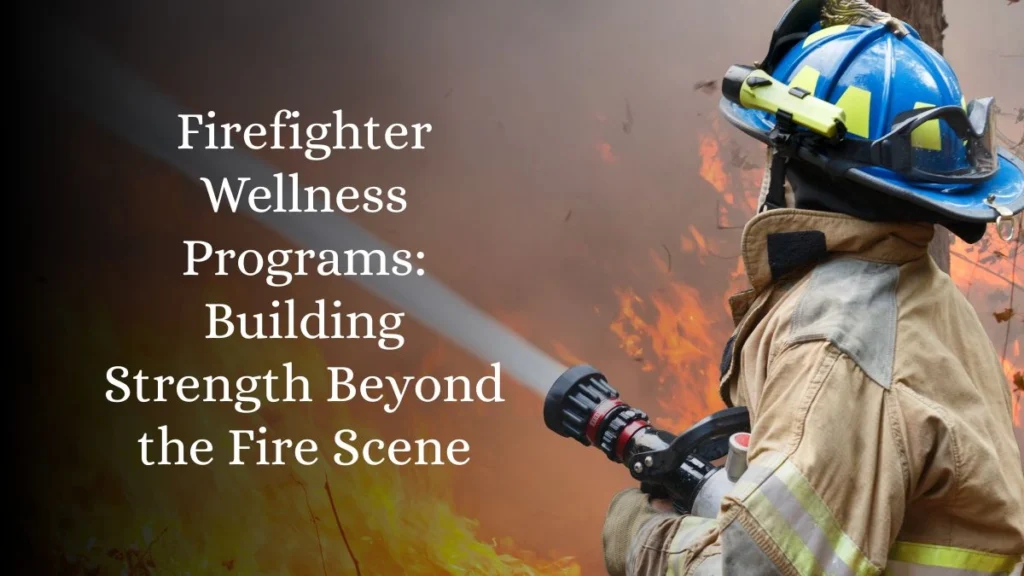
Firefighter Wellness Programs: Building Strength Beyond the Fire Scene
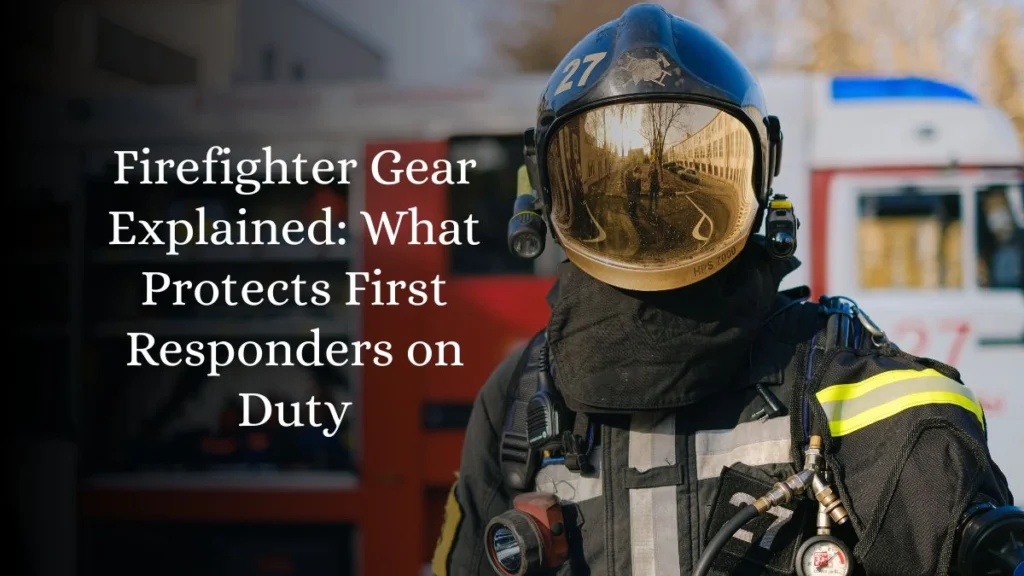
Firefighter Gear Explained: What Protects First Responders on Duty
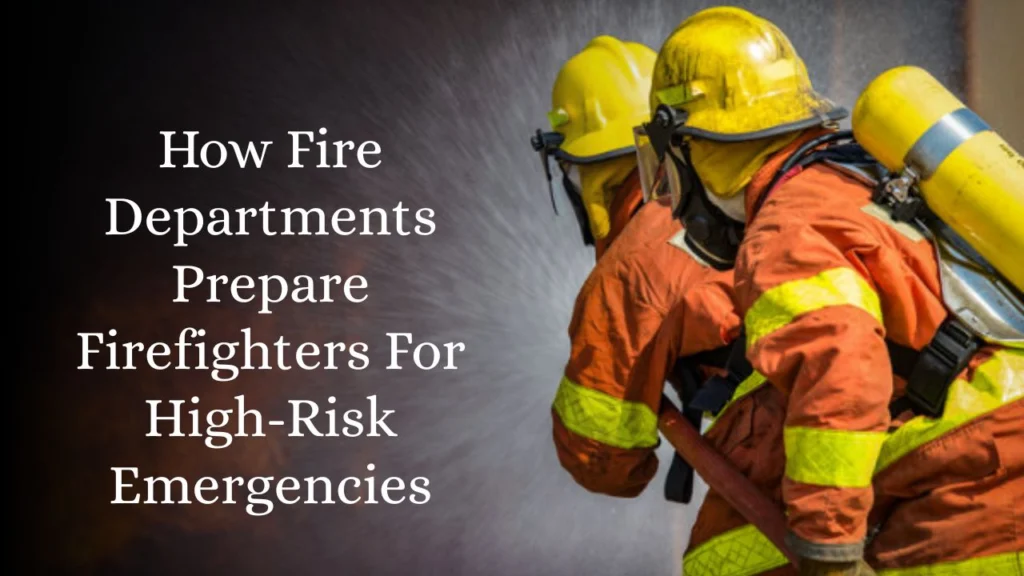
How Fire Departments Prepare Firefighters For High-Risk Emergencies
The Importance Of Mental Health Training For Firefighters
How Modern Firefighter Training Saves Lives On The Front Lines