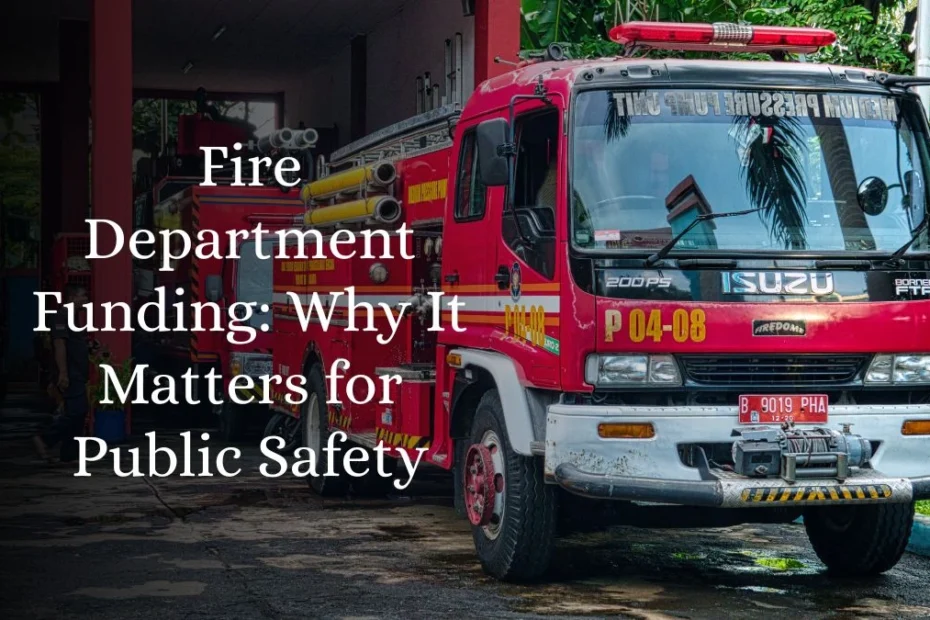
Effective fire department funding is essential for ensuring robust public safety systems capable of responding to emergencies, protecting lives and property, and reducing broader societal costs.
Across the United States and the world, fire departments play a pivotal role not just in fighting fires, but in medical response, disaster preparedness, community education, and crisis resilience.
Yet, without adequate financial resources, these critical tasks become harder, slower, or impossible — jeopardizing the safety of entire communities.

In 2025, funding dynamics are changing due to federal budget shifts, equipment cost spikes, and local budget pressures.
This article explores why fire department funding matters, its impact on public safety, where funding comes from, challenges faced by departments in maintaining operational strength, and how communities benefit from strategic investments.
What is Fire Department Funding?
A fire department budget typically includes money set aside for:
- Staffing and salaries
- Equipment and apparatus (like engines and protective gear)
- Training and certification
- Station construction and maintenance
- Technology and communications
- Community outreach and fire prevention programs
Funding may come from local taxes, state grants, federal programs, fees, fundraising, and competitive grant funding sources. The structure and amount vary by city, state, and country.
Why Fire Department Funding is Vital for Public Safety
Funding directly impacts a fire department’s ability to protect communities before, during, and after emergencies. Here’s how:
1. Staffing and Personnel Readiness
Adequate funding enables departments to recruit, hire, and retain well-trained firefighters. When budgets are tight:
- Departments may experience staff shortages leading to higher overtime costs and slower emergency response times. Recent examples showed significant budget overruns due to staffing shortages requiring overtime to meet minimum staffing agreements.
2. Equipment and Technology
Firefighting apparatus are expensive and essential. In 2025, basic fire trucks can cost up to $2 million per unit, with delays in delivery also creating risk due to aging equipment.
Without modern tools and reliable vehicles, teams cannot respond effectively to complex calls like wildfires, hazardous materials incidents, or medical crises.

3. Training and Expertise
Well-funded departments sustain continuous training programs essential for safety and effectiveness. Funding supports:
- Certification courses
- Simulation exercises
- Specialized rescue training
Reductions in training budgets — such as temporary cuts to federal firefighter training programs — can weaken preparedness and endanger both firefighters and the public.
4. Community Education and Prevention
Fire department funding doesn’t just fight fires — it prevents them. Funds go toward:
- Fire safety education in schools
- Public awareness campaigns
- Inspections and code enforcement
These programs reduce incident rates and save long-term costs.
5. Specialized Response and Disaster Readiness
Fire departments increasingly respond to non-fire emergencies, including medical calls, hazardous spills, water rescues, and natural disasters. Funding ensures:
- Advanced medical support
- Wildfire equipment and specialized tools
- Preparedness for hurricanes, floods, and earthquakes
Departments without sufficient funding may struggle to meet these rising demands.
Sources of Fire Department Funding
Here’s an overview of common funding streams that keep fire departments operational and ready to serve.
| Funding Source | Description | Example Uses |
|---|---|---|
| Local Tax Revenue | Primary source for municipal fire departments | Salaries, station operation |
| State Grants | Competitive and allocated funds from state agencies | Equipment upgrades |
| Federal Grants | Programs such as SAFER and Assistance to Firefighters (AFG) | Hiring, training, protective gear |
| Community Fundraising | Donations and events raising money locally | Station support, special programs |
| Fees & Assessments | Charges for inspection, ambulance transport, public education | Operational support |
| Bonds/Referendums | Voter-approved debt for big-ticket items | New fire stations, major equipment |
These diverse streams help departments balance short-term operational needs with long-term resilience.
National and Local Funding Context (2025)
Federal Funding Programs
Federal programs like AFG and SAFER have historically contributed hundreds of millions of dollars annually toward fire department readiness. Even though exact 2025 allocations are pending final appropriation decisions, historic federal budgets for firefighter assistance have hovered around $688 million annually before inflation adjustments.
Recent shifts in federal policy — including temporary funding reviews and allocation scrutiny — underscore the need for local and state funding stability.
Local Budget Challenges
Cities facing deficits have had to reconsider fire department budgets to avoid station closures or reduced services. For instance, one major U.S. city faced the potential closure of four fire stations due to budget shortfalls and devised a funding shift plan requiring over $10 million to maintain services.
The Impact of Funding on Public Safety Outcomes
Proper funding produces measurable public safety benefits:
Lower Civilian Losses
Fire departments that receive consistent grant funding have been shown to report lower rates of civilian deaths and injuries than those without grant support.
Improved Response Times
Adequately funded departments ensure staffing levels that reduce response times, which is critical for medical emergencies and time-sensitive rescues.
Community Trust & Resilience
Communities with strong fire service funding often enjoy higher confidence in emergency services and better overall safety outcomes.
Challenges to Fire Department Funding
Despite its importance, funding faces significant pressures in 2025:
1. Rising Costs
Inflationary pressures in equipment pricing, vehicles, and technology increase financial burdens on departments.
2. Competing Budget Priorities
Local governments must balance fire services with education, infrastructure, and social programs.
3. Volunteer Recruitment Struggles
In many regions, volunteer firefighters form a large proportion of the emergency response force — often up to 65% of all firefighters in the U.S. — and lack of funding impacts training and retention.
4. Infrastructure Needs
Aging fire stations require upgrades that cannot be postponed without risking firefighter safety and service quality.
Strategies to Improve Funding
Fire departments and their supporters can pursue several strategies to secure financial sustainability:
- Grant writing and management — gaining competitive funds for specific needs.
- Voter-backed referendums — securing broad community support for dedicated funding streams.
- Partnerships with healthcare, EMS, and disaster response agencies.
- Awareness campaigns to highlight budget shortfalls and public safety risk.
Strong fire department funding is not optional — it is essential for protecting lives, preserving property, and maintaining public confidence in emergency services. From daily responses to wildfires and medical emergencies to community education and disaster readiness, the scope of fire services continues to grow.
With pressures from rising equipment costs, shifting federal support, and increasing public safety demands, communities must prioritize sustainable funding models. Whether through local budgets, federal grants, or community partnerships, investing in fire departments yields real dividends in enhanced public safety outcomes and resilience.
FAQs
Why is fire department funding crucial for public safety?
Funding ensures that fire departments have the personnel, equipment, training, and infrastructure needed to respond efficiently to emergencies and protect communities.
What are common sources of funding for fire departments?
Fire departments typically rely on local tax revenues, state and federal grants, community fundraising, fees, and voter-approved bonds or referendums.
How does funding affect emergency response times?
Sufficient funding enables adequate staffing and modern equipment, which directly reduces response times and improves the effectiveness of emergency responses.

How Firefighters Strengthen Communities Beyond Emergency Response

The Growing Role of Firefighters in Disaster Response
How Fire Departments Are Building Stronger Community Relationships

The History Of Professional Firefighting And Its Evolution

What It Takes To Build A Long And Successful Firefighting Career