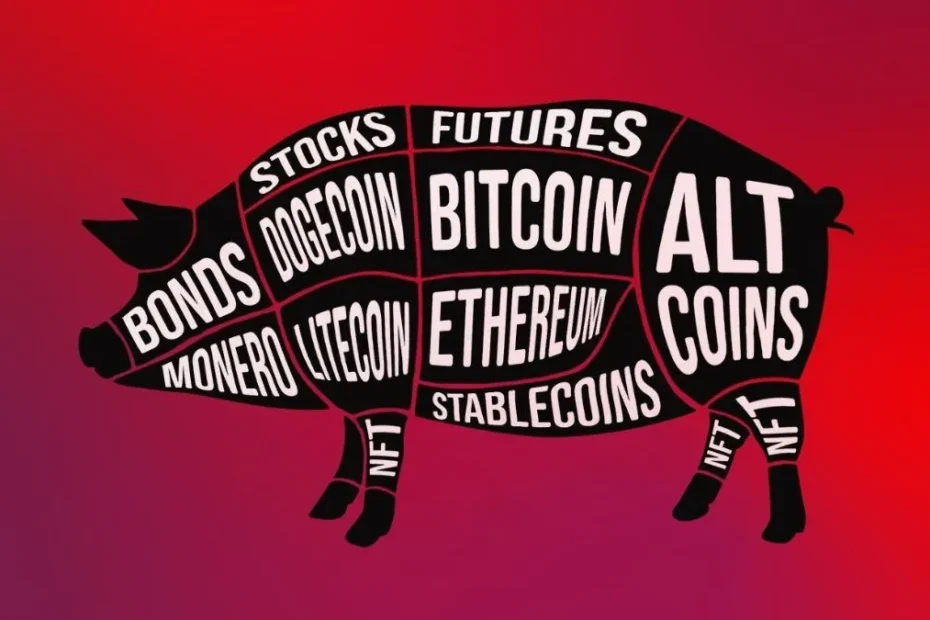
Have you ever wondered how certain crypto scams can result in devastating losses for unsuspecting individuals? If the term “Pig Butchering” has crossed your path but left you confused about its intricacies, you’re not alone in your curiosity.
This scam is making headlines for good reason—its tactics are chilling, and anyone (yes, even you and me) could fall victim if we’re not careful.
What is “Pig Butchering”?
“Pig Butchering” is a cruel nickname for a scam that fattens up victims, then takes everything. The term comes from the way scammers groom their targets over weeks or months—like fattening a pig before the slaughter.
It’s a sophisticated con, blending romance, friendship, and investment advice to build trust before the final betrayal.
- Originated in China, now global
- Involves elaborate fake identities and backstories
- Victims are typically approached via social media or dating apps
How the Scam Unfolds
So, how do scammers pull this off? It usually starts innocently enough—a random message, a friend request, maybe a flirty DM. But behind that friendly facade is a well-rehearsed script.
- Step 1: Initial contact and rapport-building
- Step 2: Gradually introducing the topic of crypto investing
- Step 3: Encouraging small, “safe” investments with seemingly impressive returns
- Step 4: Pushing larger and larger deposits
- Step 5: Cutting off contact and disappearing with the money
Does this sound familiar? Even seasoned investors can get caught up in the flattery and the promise of easy profits.
Red Flags You Should Know
As someone who’s studied countless crypto fraud cases, I’ve noticed that most victims ignore early warning signs. Let’s save you the heartache—here’s what the experts and law enforcement say you should watch for:

- Too-good-to-be-true investment returns (no risk, high reward)
- Pressure to move conversation off mainstream platforms to encrypted apps
- Requests to use obscure crypto exchanges or “special” apps
- Stories that pull on your emotions or urge secrecy
- Sudden roadblocks when you try to withdraw funds
If someone you barely know is giving you investment advice, that’s a huge red flag. Would you trust a stranger with your life savings?
The Emotional Impact
Let’s be real: the financial loss is just part of the story. Victims of pig butchering scams often say the emotional betrayal is even worse. You think you’ve found a friend—or even love—only to realize it was all an act.
The National Cybersecurity Alliance and prominent financial advisors agree: emotional manipulation makes these schemes devastatingly effective. That’s why it’s so important to talk openly about these scams, even if it feels embarrassing.
How to Protect Yourself (and Others)
Don’t worry, you’re not powerless. Let’s go through the best ways to stay safe (and help others do the same):

- Be skeptical of unsolicited investment advice—especially from online acquaintances
- Do your own research before moving any money
- Never share your crypto wallet credentials
- Use reputable exchanges you can verify independently
- Talk to friends or family before making big financial decisions
- Report suspicious accounts to the platform and authorities
Remember, the vast majority of crypto experts and consumer protection agencies echo this advice—it’s not about paranoia, it’s about protecting your hard-earned money.
What Should You Do If You’re Targeted?
If something feels off, trust your gut. The consensus among cybersecurity professionals is clear: cut contact immediately, report the scammer, and don’t send more money hoping to “recover” your loss.
And if you’ve already lost funds, don’t let shame silence you. Report it to law enforcement and seek support—there’s no judgment here, only help.
The Bottom Line
Now that you know how “Pig Butchering” works, you’re already less likely to fall for it. Stay alert, take care of your online relationships, and help spread the word. Next time someone slides into your DMs with a hot crypto tip, you’ll see the scam coming a mile away—won’t you?

Incognito Mode: Does It Actually Hide Your Browsing from Your ISP?

Subscription Fatigue: How to Find and Cancel Subs You Forgot About

5G Conspiracy: Why The Towers Are Harmless (Physics Explained)
Wireless Charging: Is It Less Efficient Than Plugging In?

Screen Protectors: Glass vs Plastic – Which Actually Saves Your Screen?