Broccoli is famous for being a vitamin-packed vegetable, full of antioxidants that protect our body. But if you’ve ever boiled it until it’s limp or eaten it raw and felt it didn’t taste great, you know something’s missing.
How you cook broccoli matters a lot—because the wrong method can quietly destroy half its nutrients. In this guide, you’ll learn the best way to prepare broccoli so it stays bright, tasty, and healthy.
Why Boiling Broccoli Can Ruin Its Nutrients
On paper, broccoli is a superfood. It’s loaded with vitamin C, vitamin K, folate, fiber, and compounds like sulforaphane that help your body fight oxidative stress. Raw, it’s like a tiny pharmacy on your plate.

The problem? Heat, water, and cooking time. When broccoli is boiled for too long:
- Water-soluble vitamins like vitamin C leak into the cooking water.
- High heat destroys delicate enzymes, such as myrosinase, which your body needs to make sulforaphane.
- Overcooked broccoli looks dull, tastes bland, and loses much of its “superpower.”
Even roasting at very high temperatures or microwaving too long can damage these important nutrients.
Steaming: The Best Method for Maximum Antioxidants
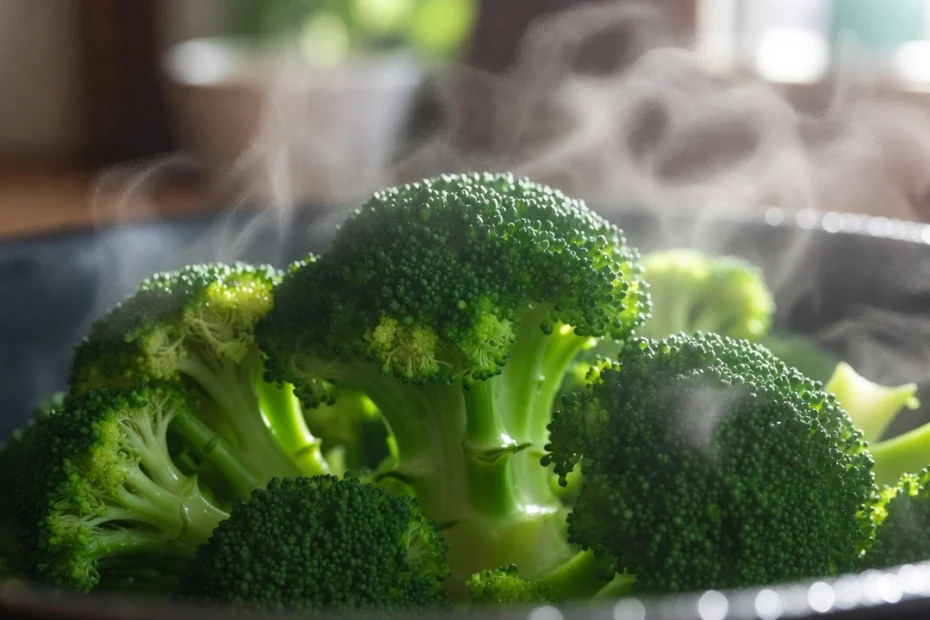
The sweet spot for broccoli is light steaming. This method softens the florets enough for digestion, but keeps vitamins and enzymes intact.
Here’s how to do it:

- Fill a small pot with about 2 fingers of water and bring it to a simmer.
- Place a steamer basket or metal sieve on top and add the broccoli florets.
- Cover with a lid and steam for 3–5 minutes, depending on the floret size.
- Stop when the broccoli is bright green and slightly tender, still with a little bite.
Tip: Pair lightly steamed broccoli with a small portion of raw cruciferous vegetables like grated broccoli stems, kale, or mustard seeds. This adds back extra myrosinase to boost sulforaphane production.
Broccoli Cooking Tips
| Key Point | How to Do It | Benefit to You |
|---|---|---|
| Light steaming | 3–5 minutes over simmering water | Keeps vitamin C & antioxidant enzymes intact |
| Skip full boiling | Avoid submerging in hot water | Prevents vitamin loss |
| Combine cooked + raw | Add raw stems, kale, or mustard seeds | Boosts sulforaphane and antioxidants |
| Watch the color | Bright green = perfect | Ensures nutrients are preserved |
| Add healthy fats | Olive oil, garlic, lemon | Helps absorb fat-soluble vitamins like K |
Little Habits for Perfect Broccoli Every Time
Cooking broccoli perfectly is only half the story—consistency matters too. Here are easy ways to make it part of your weekly routine:
- Prep in advance: Wash and cut florets after shopping. Store in a towel-lined container.
- Steaming habit: Steam a handful while water boils for pasta or during chicken roasting.
- Add flavor: Use olive oil, lemon, garlic, or grated parmesan to make it delicious.
- Mix textures: Combine lightly steamed florets with raw cruciferous veggies for a nutrient boost.
Even small adjustments—steaming a few minutes less, cutting florets smaller, pairing with raw veggies—can make a big difference for your health.
Broccoli is not just a vegetable—it’s a natural antioxidant powerhouse. But how you cook it decides whether your plate delivers those benefits. Light steaming for 3–5 minutes keeps vitamins, enzymes, and sulforaphane intact, while overcooking or boiling erases much of its goodness.

Pairing steamed broccoli with a bit of raw cruciferous vegetables can further boost its antioxidant potential. With a little attention, you can enjoy broccoli that tastes great, is easy to digest, and truly supports your health.
FAQs
Is raw broccoli healthier than cooked?
Raw broccoli keeps all vitamins and enzymes, but your body may not absorb everything easily. Lightly steamed broccoli balances taste, digestibility, and nutrients.
How long should I steam broccoli for maximum antioxidants?
Steam for 3–5 minutes until bright green and slightly tender. Avoid overcooking.
Does microwaving broccoli destroy nutrients?
Short microwaving with minimal water preserves most nutrients. Long cooking at high power can cause vitamin loss similar to boiling.

The Winter Fruit That Keeps Robins Coming Back to Your Garden

A Small Gesture That Saves Wildlife – How Tennis Balls Can Protect Birds And Hedgehogs This Winter

Psychology Explains Why Some People Always Interrupt Others – Meaning and Insights

If You Still Remember These 10 Everyday Moments From Decades Ago, Your Memory Is Sharper Than Most People In Their 70s

Psychology Suggests People Raised In The 1960s And 1970s Developed 7 Mental Strengths That Have Become Increasingly Rare Today