Have you ever wondered what makes baby carrots so perfectly bite-sized and vibrant? You’re not alone. Many of us toss them into our lunches without a second thought. But what if there’s a fascinating story behind these crunchy snacks that could transform your perspective on them?
Wait, Are Baby Carrots Actually Babies?
You’d think baby carrots are just tiny versions of the real thing, right? But here’s the twist: most baby carrots you see in stores aren’t naturally small at all.
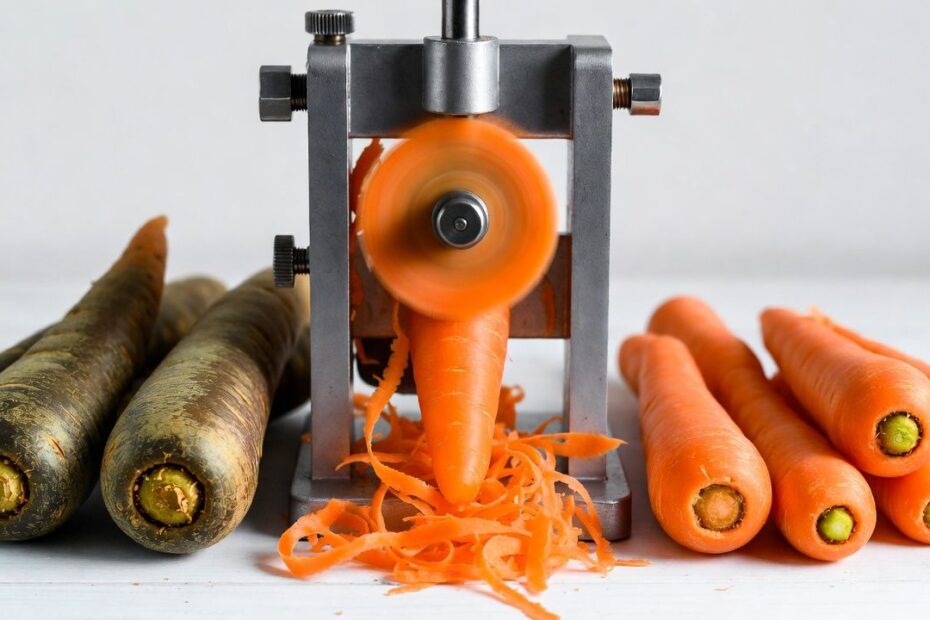
- The majority of ‘baby’ carrots are actually full-sized carrots shaved down to that mini shape.
- This process gives you the uniform look, smooth texture, and sweet crunch you love.
But why did this all start? And how did it become the go-to healthy snack? Let’s dig in.

The Origin Story: A Solution to Food Waste?
According to food historians and vegetable industry experts, the baby carrot craze began in the 1980s. Mike Yurosek, a Californian farmer, had a ton of ‘ugly’ carrots—crooked, split, and too gnarly for supermarkets. What would you do in his shoes?
- Instead of tossing them, he started peeling and cutting them into smaller pieces.
- Supermarkets loved the look, and so did shoppers. Suddenly, ugly carrots had a second life.
The practice took off, and now almost every bag of ‘baby carrots’ you see is the result of this clever innovation.
How Baby Carrots Are Really Made
Let’s break it down. The process is surprisingly fascinating, and yes—it involves a lot of shaving and shaping. Here’s what happens:
- Farmers harvest full-sized carrots, often a variety called ‘Imperator’ for its sweetness and long shape.
- The carrots are sorted and selected for size and quality.
- Machines then **cut the carrots into short segments**—usually 2 inches or so.
- Next, these chunks are shaved down and polished in large tumbling machines, smoothing out edges and leaving that signature baby carrot shape.
- Voila! They’re washed, bagged, and shipped out.
I know what you’re thinking: “Wait—so they’re just real carrots in disguise?” That’s exactly it. There’s nothing infantile about them!

Are Baby Carrots Less Nutritious?
Some people worry that shaving and processing might remove nutrients. But here’s the general scientific consensus, according to the USDA and nutritionists:
- Baby carrots retain almost all the nutrition of full-sized carrots.
- They’re still loaded with vitamin A, fiber, and antioxidants.
- The only difference might be a slight loss of the outer skin, where some nutrients concentrate—but it’s minimal.
So go ahead, snack away! The health benefits are still there.
Are They Safe to Eat?
Ever noticed that white blush on baby carrots? Some folks wonder if it’s mold or chemicals. Good news: it’s just a harmless “carrot blush”—a bit of dehydration after being peeled and tumbled. No need to worry.
- Baby carrots are rinsed in chlorinated water (like lettuce and bagged salads) to prevent germs, but thoroughly washed before packaging.
- Experts say this is safe and standard in the produce industry.
If you want to be extra safe, just rinse them at home before eating.

The Real Reason People Love Baby Carrots
Let’s be honest—convenience is king. How many of us eat more veggies just because they’re washed, peeled, and ready to go? No shame in that game!
- Baby carrots make snacking healthier—especially for kids (and adults who act like kids, like me).
- They’re easy, portable, and fun to dip in hummus or ranch.
So next time you reach for a bag, you can smile knowing the truth: they’re just clever, shaved-down carrots—delicious, nutritious, and a little bit ingenious.
Final Thoughts: Should You Buy Them?
Absolutely! Whether you prefer full-sized or baby carrots, you’re getting the same veggie goodness. Now that you know the truth, you have a great story to share next time you open a bag.
Do you feel differently about baby carrots now? I know I do. Sometimes, the simplest snacks have the most interesting backstories!

VPNs: Do You Really Need One or Is It Just Marketing Hype?

Incognito Mode: Does It Actually Hide Your Browsing from Your ISP?

Subscription Fatigue: How to Find and Cancel Subs You Forgot About

5G Conspiracy: Why The Towers Are Harmless (Physics Explained)
Wireless Charging: Is It Less Efficient Than Plugging In?