Firefighters work in some of the most dangerous and demanding environments in any profession. They face extreme heat, toxic smoke, physical strain, long shifts, and emotional stress while protecting lives and property.
Despite these risks, improvements in firefighter working conditions have not happened automatically. Many of the protections firefighters rely on today exist because of strong, organized advocacy.
Advocacy gives firefighters a voice. It helps them push for safer workplaces, better equipment, fair pay, and mental health support. Whether through unions, professional associations, community partnerships, or legislative efforts, advocacy plays a key role in shaping policies that protect those who protect us.
This article explains how advocacy works, why it matters, and how it continues to improve the daily lives of firefighters.
Understanding Firefighter Advocacy
Firefighter advocacy refers to organized efforts aimed at improving working conditions, safety standards, benefits, and professional recognition for firefighters. These efforts can happen at the local, state, or national level and often involve:
- Labor unions and professional associations
- Fire departments and leadership teams
- Community supporters and nonprofits
- Lawmakers and regulatory agencies
Advocacy does not only focus on wages. It addresses the full range of challenges firefighters face on the job, from outdated equipment to unsafe staffing levels.
Improving Workplace Safety Standards
One of the most important outcomes of firefighter advocacy is improved safety on the job. Firefighting is inherently dangerous, but advocacy helps reduce unnecessary risks.
Stronger Safety Regulations
Through advocacy, firefighters push for laws and standards that regulate:
- Building fire codes
- Hazardous materials handling
- Vehicle safety and emergency driving rules
- Fireground operational procedures
These regulations help prevent injuries and deaths by creating clear safety expectations for departments and municipalities.
Accountability and Oversight
Advocacy efforts also promote independent investigations and safety reviews after serious incidents. This leads to:
- Better training protocols
- Clearer command structures
- Lessons learned that prevent future tragedies
By demanding accountability, advocacy helps ensure that firefighter safety is never treated as optional.
Securing Better Protective Equipment
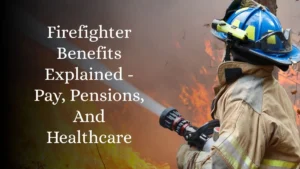
Personal protective equipment is a firefighter’s last line of defense. Advocacy has been critical in improving the quality and availability of this equipment.
Modern Gear Standards
Firefighters advocate for funding and regulations that support:
- Heat-resistant turnout gear
- Advanced breathing apparatus
- Improved helmets and gloves
- Cancer-reducing protective fabrics
Without advocacy, many departments would continue using outdated or unsafe equipment due to budget constraints.
Equipment Replacement Policies
Advocacy also pushes for clear replacement timelines. Protective gear degrades over time, and using worn equipment increases injury and cancer risks. Policy changes driven by advocacy ensure that departments replace gear before it becomes dangerous.
Addressing Staffing Levels and Workload
Understaffing is a serious issue in fire services. Fewer firefighters mean slower response times, higher injury risk, and extreme fatigue.
Safer Staffing Ratios
Advocacy efforts help establish minimum staffing requirements for:
- Fire engines and ladder trucks
- EMS response units
- Specialized rescue teams
Proper staffing ensures firefighters can perform their duties safely and effectively.
Managing Long Shifts and Overtime
Firefighters often work extended shifts that lead to exhaustion and burnout. Advocacy has helped introduce:
- Limits on mandatory overtime
- Rest and recovery policies
- Fair scheduling practices
These changes protect both firefighters and the communities they serve.
Improving Pay, Benefits, and Job Security
Firefighter advocacy plays a major role in securing fair compensation. Firefighters take significant risks, and advocacy helps ensure that pay reflects those dangers.
Fair Wages and Contract Negotiations
Through collective bargaining and policy engagement, advocacy groups work to:
- Secure competitive salaries
- Protect cost-of-living adjustments
- Ensure transparent promotion systems
Fair pay improves morale and helps departments retain experienced personnel.
Health Insurance and Injury Coverage
Advocacy has expanded access to:
- Comprehensive health insurance
- Injury compensation and disability benefits
- Presumptive illness coverage for job-related cancers and diseases
These protections are essential for firefighters and their families.
Supporting Mental Health and Emotional Well-Being
Firefighters regularly experience trauma, loss, and high stress. Advocacy has been instrumental in breaking the stigma around mental health.
Mental Health Programs
Advocacy has led to the creation of:
- Peer support programs
- Confidential counseling services
- Stress management and resilience training
These resources help firefighters cope with the emotional impact of their work.
PTSD and Suicide Prevention
By pushing for research, funding, and policy recognition, advocacy groups have helped bring attention to PTSD and suicide risks in the fire service. This has resulted in improved support systems and early intervention programs.
Expanding Training and Professional Development
Advocacy also strengthens firefighter training and education, which directly improves working conditions.
Access to Modern Training
Advocacy helps secure funding for:
- Advanced fire behavior training
- Technical rescue certification
- EMS and hazardous materials education
Better training reduces injury risk and increases firefighter confidence on the job.
Career Growth Opportunities
Professional advocacy promotes clear pathways for advancement, ensuring firefighters have opportunities to grow without favoritism or bias.
Influencing Public Policy and Legislation
Many improvements in firefighter working conditions begin with changes in law. Advocacy connects firefighters directly with policymakers.
Legislative Advocacy
Firefighters and their representatives advocate for laws that support:
- Workplace safety standards
- Funding for departments
- Retirement and pension protections
When lawmakers understand firefighter challenges, they are more likely to pass meaningful reforms.
Funding and Resource Allocation
Advocacy ensures that fire departments are included in public safety funding discussions. This leads to better-equipped departments and safer working environments.
Building Community Support and Awareness
Advocacy is not limited to internal efforts. Public support plays a powerful role in improving firefighter conditions.
Educating the Public
By sharing real stories and data, advocacy groups help communities understand:
- The risks firefighters face daily
- Why funding and safety measures matter
- How improved conditions benefit public safety
Informed communities are more likely to support fire service initiatives.
Strengthening Trust
When firefighters advocate transparently, they build trust with the public. This trust makes it easier to gain support for policies that improve safety and working conditions.
The Long-Term Impact of Advocacy
Advocacy creates lasting change. Improvements achieved today often protect future generations of firefighters.
Over time, strong advocacy leads to:
- Safer firegrounds
- Healthier firefighters
- More stable departments
- Stronger emergency response systems
Without advocacy, many of these improvements would stall or disappear under budget pressure.
Advocacy is a powerful force behind nearly every improvement in firefighter working conditions. From safer equipment and staffing levels to better mental health support and fair compensation, advocacy ensures firefighters are protected, respected, and heard.
Firefighters put their lives on the line for their communities. Advocacy helps make sure they return home safely, remain healthy throughout their careers, and receive the support they deserve.
Strong advocacy does not just benefit firefighters—it strengthens public safety for everyone.
FAQs
Who typically leads firefighter advocacy efforts?
Firefighter advocacy is often led by unions, professional associations, department leadership, and firefighter-led organizations working together.
Does firefighter advocacy only focus on pay increases?
No. Advocacy covers safety standards, equipment, staffing, mental health, training, benefits, and overall working conditions.
How can communities support firefighter advocacy?
Communities can support advocacy by staying informed, backing safety funding measures, and engaging with local fire departments and policymakers.
How Firefighter Unions Support Members And Their Families
How Iowa Legislation Is Improving Firefighter Working Conditions
Fire Service Policy Changes Every Firefighter Should Be Aware Of
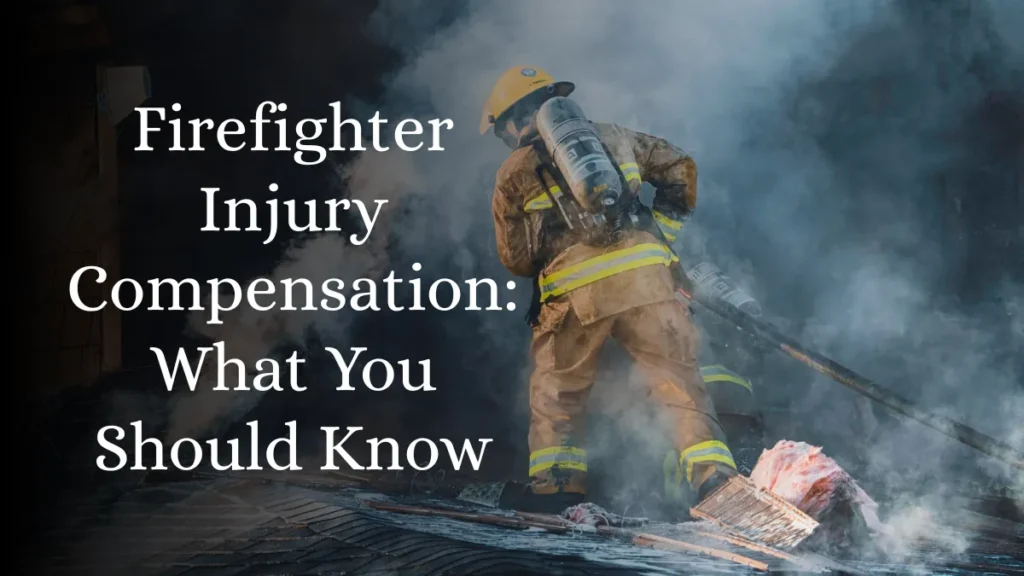
Firefighter Injury Compensation: What You Should Know
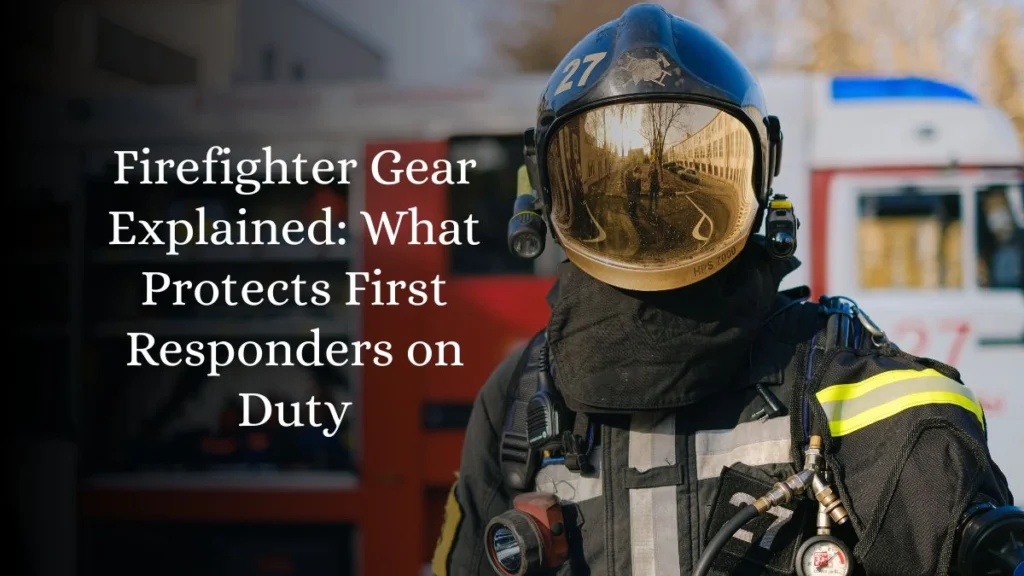
Firefighter Gear Explained: What Protects First Responders on Duty