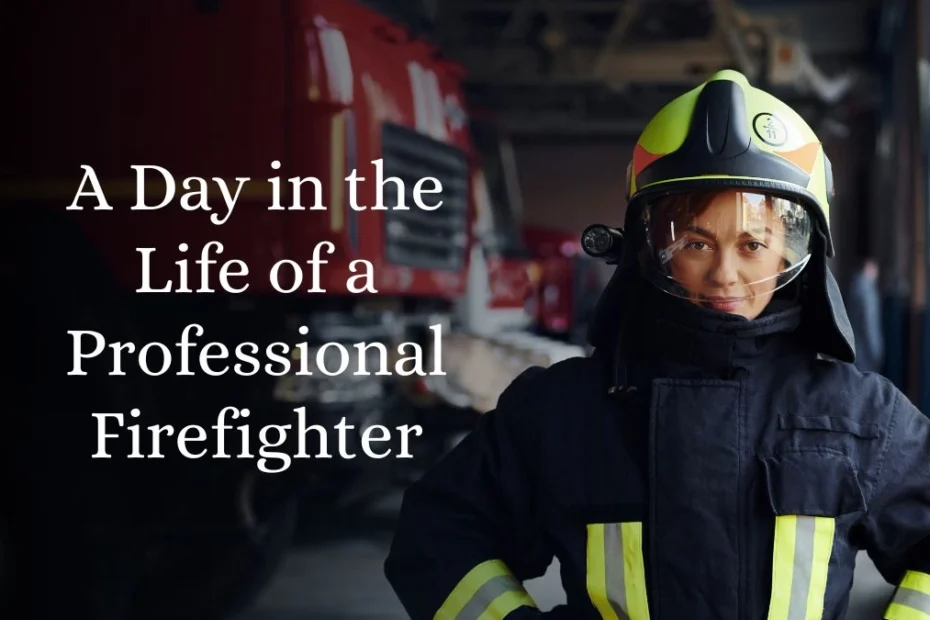
A professional firefighter is more than someone who simply fights fires — they are trained first responders, emergency medical technicians, community educators, and disaster managers.
Their role encompasses responding to emergencies, protecting lives and property, performing public safety education, and maintaining readiness around the clock.
Unlike popular perception, much of a firefighter’s day is spent preparing for emergencies rather than fighting fire itself.
This article dives deep into what a typical day looks like, the responsibilities, challenges, training, skills, schedules, and statistics that define the life of these dedicated professionals.
Firefighter Daily Life at a Glance
| Category | Information / Detail |
|---|---|
| Job Title | Professional Firefighter |
| Typical Work Schedule | 24-hour shifts; 56–48 hrs weekly with rotating schedules |
| Emergency Calls | Fires, vehicle crashes, medical emergencies, hazmat incidents |
| Salary (U.S. Median) | ~$59,530 per year (May 2024) |
| Job Growth (2024–2034) | ~3% projection |
| Major Daily Duties | Fire suppression, rescue, equipment checks, training |
| Education / Training | High school diploma + academy + EMT training |
| Skills Required | Physical strength, decision-making, teamwork |
| Additional Roles | Community education, fire inspections |
The Start of a Shift: Preparing Before an Emergency
Shift Patterns and Schedules
Professional firefighters often work 24-hour shifts, with various rotation systems ensuring round-the-clock coverage.
A common pattern is 24 hours on duty followed by 48 hours off — although some departments use three-platoon systems where firefighters rotate between shifts to maintain continuous protection.
During these shifts, firefighters live and work in the fire station, ready to respond immediately. Sleep is opportunistic — taken between emergency calls.
Morning Briefing & Equipment Checks
At the start of a shift, firefighters typically carry out a briefing to review alerts, drills, equipment status, staffing, weather conditions, and any special tasks for the day.
Equipment checks are critical to ensure that fire engines, gear, breathing apparatus, hoses, ladders, medical kits, and communication systems are fully operational.
Core Responsibilities Throughout the Day
Fire Suppression and Emergency Responses
The most recognized duty of a firefighter is fire suppression — controlling and extinguishing fires in residential, industrial, and wildland environments.
Firefighters use hoses, pumps, ladders, and specialized tools to protect lives and limit property damage.
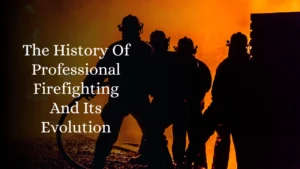
They also respond to emergencies like car accidents, flooding, natural disasters, hazardous material spills, and medical crises.
Emergency Medical Services (EMS)
Modern firefighting units often act as first medical responders. Firefighters are trained as Emergency Medical Technicians (EMTs) or paramedics, providing basic and advanced medical care until patients reach hospitals. In many communities, fire departments run ambulances or coordinate with EMS systems.
Rescue Operations
Whether extracting drivers from mangled vehicles, rescuing people trapped in collapsed structures, or saving pets from danger, rescue operations form a significant part of the job. These missions require quick thinking, precise physical execution, and calm under pressure.
Hazardous Materials (HAZMAT) Calls
Firefighters respond to hazardous materials incidents — chemical spills, toxic leaks, and environmental threats — working with specialized teams to secure the area, protect the public, and mitigate damage.
Training, Drills, and Continuing Education
Training isn’t limited to the fire academy. Daily life includes physical fitness training, equipment drills, hazardous scenario simulations, and updates in emergency medical procedures.
Firefighters must stay ready for unpredictable scenarios and maintain certifications throughout their careers. Competition events such as the Firefighter Combat Challenge also emphasize physical readiness and skills execution.
Documentation and Administrative Work
After every call, firefighters complete detailed documentation — reports on fire causes, injury responses, hazardous materials encountered, rescue outcomes, and equipment usage. These records support legal proceedings, insurance claims, safety studies, and departmental audits.
Community Outreach and Fire Prevention
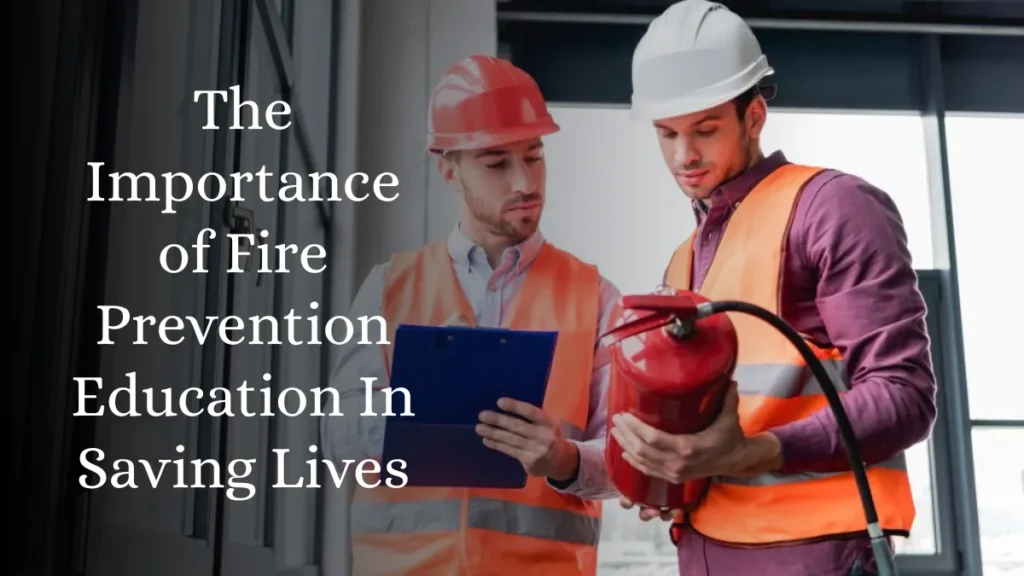
Fire departments play a crucial role in public education. Firefighters conduct school visits, community workshops, safety inspections, and smoke alarm installations. This preventative work helps reduce the number and severity of fire incidents.
Physical and Mental Demands of the Job
Firefighting is physically demanding and mentally intense. Responding to emergencies can expose firefighters to dangerous conditions and traumatic scenes.
Physical fitness, resilience, teamwork, and strong communication are essential qualities. Firefighters must be emotionally and psychologically prepared for high-pressure environments.
Salary, Career Growth, and Job Outlook
According to the U.S. Bureau of Labor Statistics (May 2024), the median annual wage for firefighters was approximately $59,530.
Entry wages vary by region and experience, with the lowest 10% earning below $34,490 and the highest 10% above $101,330.
The job outlook for firefighters is projected to grow around 3% from 2024 to 2034, suggesting steady demand for these lifesaving professionals.
Skills and Qualifications Needed
To become a professional firefighter, common requirements include:
- a high school diploma or equivalent,
- training at a fire academy,
- EMT or paramedic certification,
- excellent physical condition,
- strong decision-making and problem-solving skills,
- teamwork and communication skills.
Challenges and Rewards of Firefighting
While the job can be rewarding, it comes with significant stress and risk. Firefighters face exposure to extreme heat, smoke, hazardous chemicals, physical exertion, and emotional strain.
Despite these challenges, many firefighters find tremendous satisfaction in helping people, protecting communities, and being part of a dedicated team.
A day in the life of a professional firefighter is varied, demanding, and full of purpose. From maintaining readiness at the station, training and drills, responding to emergencies, and engaging with the community — firefighters dedicate their lives to public safety.
Their work goes beyond extinguishing fires; it includes rescue operations, medical care, fire prevention, education, and documentation.
It’s a career built on courage, discipline, and service, backed by physical stamina, ongoing training, and emotional resilience. Every day brings new challenges, but the core mission remains the same — to protect life and property.
What hours do professional firefighters work?
Professional firefighters commonly work 24-hour shifts, often rotating with 48 hours off duty or utilizing platoon systems to ensure coverage every day.
Do firefighters only fight fires?
No. Firefighters respond to medical emergencies, traffic accidents, hazardous material incidents, natural disasters, and perform rescue operations.
What qualifications are required to become a firefighter?
Most professional firefighters need a high school diploma, fire academy training, and EMT certification, along with strong physical fitness.
Why Becoming a Firefighter Is More Than Just a Career
How Firefighters Balance Family Life And Emergency Service
The Importance of Fire Prevention Education In Saving Lives
Firefighter Stories That Inspire Courage And Commitment
What It Takes To Build A Long And Successful Firefighting Career