Have you ever experienced your iPhone becoming sluggish after a major update? This phenomenon is surprisingly common and leads to a fascinating inquiry: is it possible that Apple is deliberately affecting your device’s performance?
Let’s unpack the rumors, the facts, and what most tech experts actually believe. Ready to find out if you’re really being nudged toward a new iPhone—or if there’s more to the story?
The Origins of the Controversy
A few years back, the internet went wild with claims that Apple was deliberately crippling old iPhones. This wasn’t just tech blog gossip. Mainstream news picked up the story, too.

- Users noticed performance dips after iOS updates.
- Reddit threads overflowed with complaints.
- Lawsuits were filed in several countries.
So, is there any truth behind these claims?
What Apple Actually Admitted
In late 2017, Apple publicly acknowledged that it did slow down some older iPhones. But their reason? Battery health. They said as batteries aged, phones could unexpectedly shut down. Slowing the processor, they argued, kept devices running smoothly.
- This was called “performance management.”
- It affected iPhone 6, 6s, SE, and 7 models initially.
- Apple released an apology and offered discounted battery replacements.
Does that sound shady, or just responsible? That depends on who you ask.
Experts Weigh In
Most tech experts agree: Apple could’ve communicated better. The consensus is that while the intent might not have been evil, the lack of transparency was a problem.
- “Apple should have been upfront,” say reviewers at The Verge and CNET.
- Consumer advocates argue users should have a choice, not a secret throttle.
- After the backlash, Apple added a setting to turn the feature off.
Still, many people feel that when their phone slows down, it’s a push to buy a new one. Do you feel that way, too?
Is It Really Planned Obsolescence?
Let’s clear things up. Planned obsolescence is when a company intentionally limits a product’s lifespan to encourage upgrades. In Apple’s case, there’s no smoking gun—no code that says, “make this iPhone slow after three years.”
- Devices do slow down as hardware ages.
- New iOS versions are often optimized for the latest hardware.
- Batteries degrade naturally, impacting performance.
You and I might feel the slowdown, but much of it comes down to technology’s limits, not just corporate greed. That said, Apple is a business—and having you upgrade sooner definitely helps their bottom line.
How to Keep Your iPhone Fast
Here’s what you can actually do if your iPhone seems sluggish:
- Check your battery health in Settings. Consider a battery replacement if it’s low.
- Update to the latest iOS—sometimes performance actually improves.
- Clear out unused apps and files.
- Restart your phone regularly.
- Use Apple’s performance management toggle to control throttling.
Don’t forget: a fresh battery can make an old iPhone feel almost new again.
The Bottom Line: Should You Be Worried?
Most experts agree Apple’s slowdown wasn’t a plot, but a poorly explained fix. Still, the incident sparked global debates about tech transparency and your right to control your own device.
- Apple now gives you more control and information.
- Battery management is standard on all modern smartphones—not just iPhones.
- If you’re ever in doubt, ask an Apple Genius or trusted technician about your device’s health.
So, are iPhones slowed down on purpose? Not in the way you might think. But you and I deserve clearer answers from our tech—and a choice about how our phones perform.
Ever experienced a slowdown yourself? Let’s swap stories in the comments below!

VPNs: Do You Really Need One or Is It Just Marketing Hype?
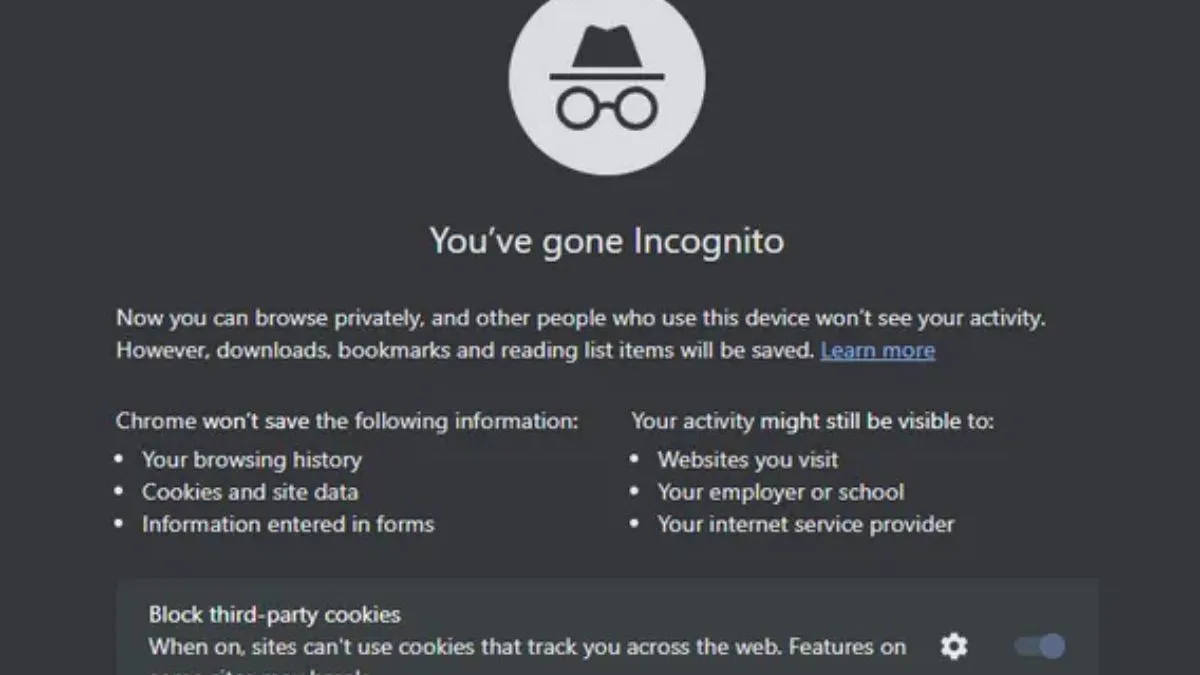
Incognito Mode: Does It Actually Hide Your Browsing from Your ISP?
Subscription Fatigue: How to Find and Cancel Subs You Forgot About
5G Conspiracy: Why The Towers Are Harmless (Physics Explained)
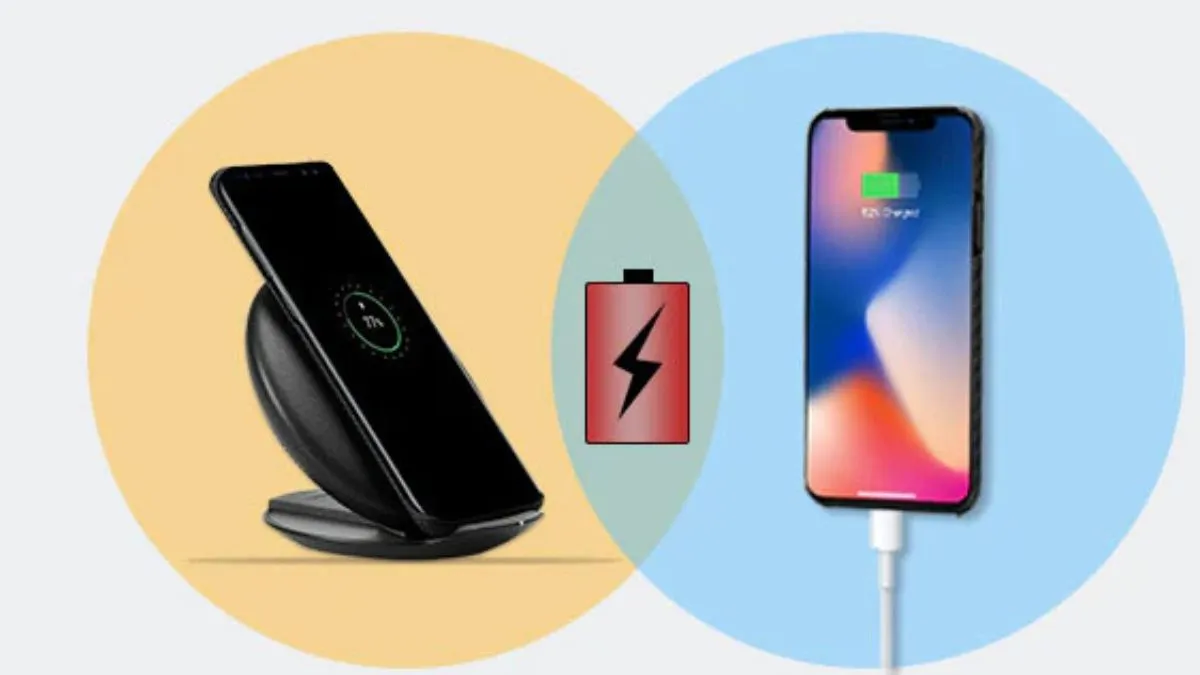
Wireless Charging: Is It Less Efficient Than Plugging In?