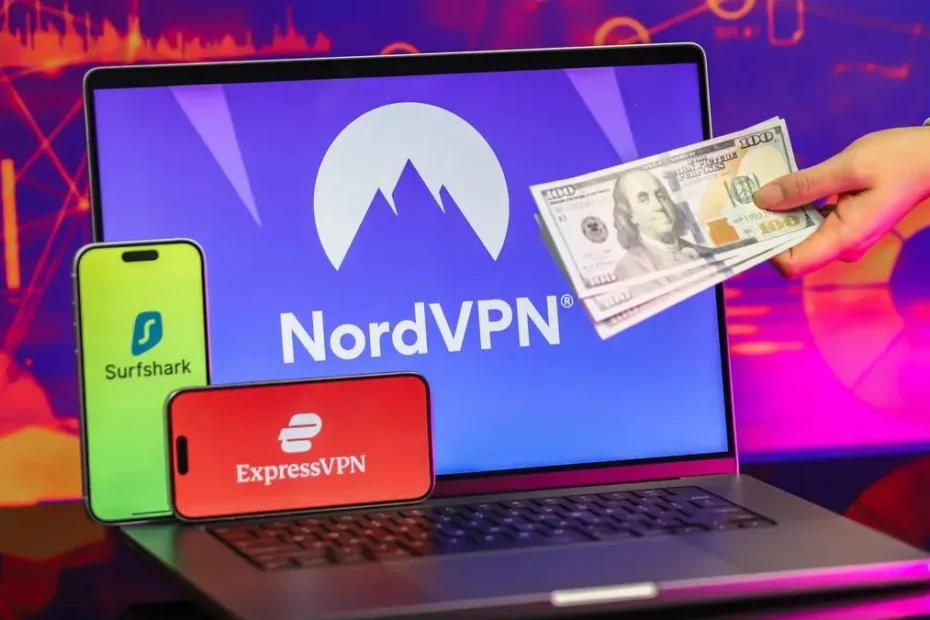
While exploring the web, you may encounter an increasing number of voices championing VPNs. But are these tools genuinely vital for the average user’s online safety, or is it more about clever marketing? Join us as we investigate the reality behind the rising popularity of VPNs.
What Is a VPN, Really?
You’ve probably heard that VPNs are the digital equivalent of Harry Potter’s invisibility cloak. But what do they actually do?
- A VPN (Virtual Private Network) encrypts your internet traffic.
- It hides your IP address, making your online actions harder to trace.
- You can use servers in other countries to “change” your location digitally.
Sounds magical, right? But is it all necessary?

Who Actually Needs a VPN?
Let’s be honest: not everyone needs a VPN all the time. But for some, it can be a game-changer. Would you fall into any of these categories?
- Frequent travelers: Especially if you use public Wi-Fi in airports, hotels, or coffee shops. VPNs add a layer of security on networks you don’t control.
- Remote workers: Many companies require VPNs for accessing sensitive data outside the office.
- Privacy enthusiasts: If you like your digital footprint to be as small as possible, a VPN helps.
- People in restrictive countries: A VPN can bypass government censorship or geo-blocks on content.
But what about the rest of us?
When a VPN Might Be Overkill
If you’re just streaming Netflix at home or shopping on sites you trust, do you really need a VPN? The consensus among cybersecurity experts is: maybe not always.
- Most reputable websites use HTTPS, already encrypting your data.
- Banking and big e-commerce platforms have strong security measures.
- Many privacy issues come from what you share on social media — not your connection itself.
So, unless you’re doing something sensitive or risky, a VPN isn’t a must-have every time you log on.

Does a VPN Make You Anonymous?
Here’s where the marketing sometimes stretches the truth. You might be thinking — if I use a VPN, I’m totally invisible online, right?
- VPNs hide your IP address from websites, but not from the VPN company itself.
- If your VPN keeps logs, your activity could still be traced (experts recommend choosing “no-log” services).
- Websites can still track you through cookies, browser fingerprinting, and other tools.
So, while a VPN adds a layer of privacy, it’s not a silver bullet.
Common VPN Myths — Busted
Let’s clear up a few things you might have heard.
- “VPNs make you totally safe online”: Not true. They help, but you’re still responsible for safe browsing habits.
- “VPNs always make the internet faster”: In reality, routing your traffic through another server can sometimes slow things down.
- “Free VPNs are just as good as paid ones”: Most experts warn that free VPNs often log your data or inject ads.
When Should You Actually Use a VPN?
So, when do the pros really recommend flipping on your VPN?
- When using public Wi-Fi.
- Accessing sensitive work information remotely.
- Traveling in countries with internet restrictions.
- Browsing with extra privacy, especially on sites you don’t fully trust.
If none of these scenarios sound like you, you’re probably safe skipping the VPN most days. But it’s a handy tool to have ready — just in case.
The Bottom Line
So, do you really need a VPN? If you want extra privacy or regularly use public Wi-Fi, it’s a smart move. For casual home browsing, the risks are lower — provided you stick to safe sites and good digital hygiene.
Don’t fall for the hype, but don’t ignore the benefits either. Think of a VPN like an umbrella: You don’t always need it, but you’re glad to have one when it rains.
What’s your take? Have you decided if a VPN is right for you?
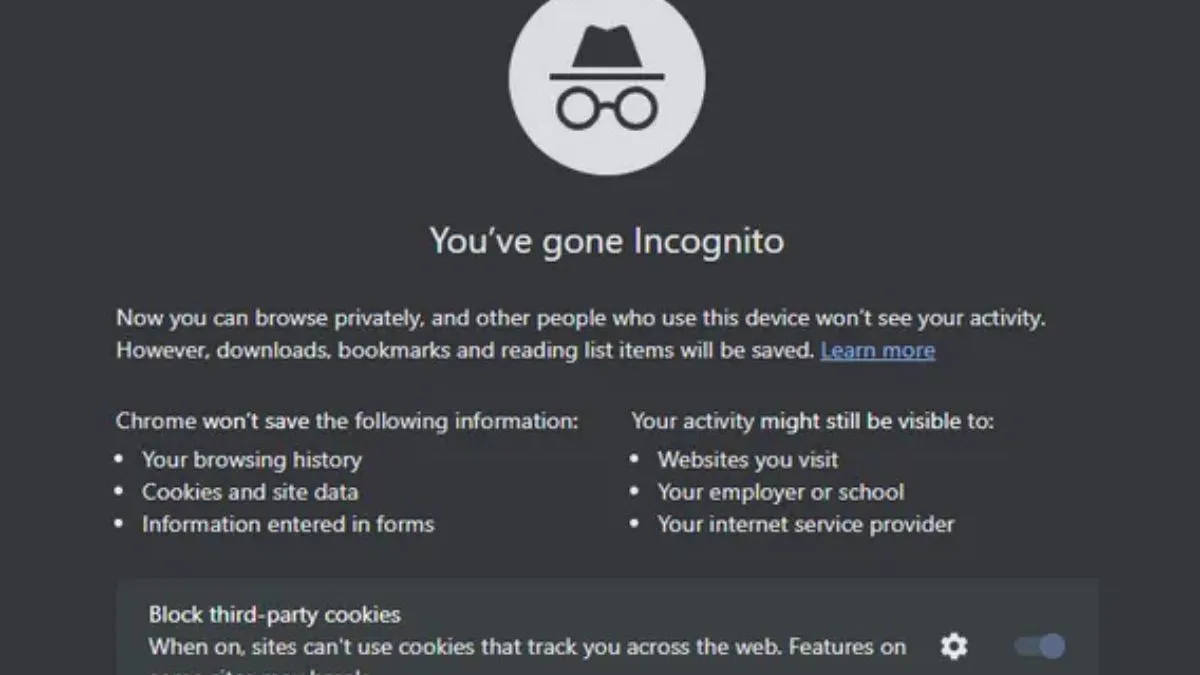
Incognito Mode: Does It Actually Hide Your Browsing from Your ISP?

Subscription Fatigue: How to Find and Cancel Subs You Forgot About

5G Conspiracy: Why The Towers Are Harmless (Physics Explained)
Wireless Charging: Is It Less Efficient Than Plugging In?

Screen Protectors: Glass vs Plastic – Which Actually Saves Your Screen?