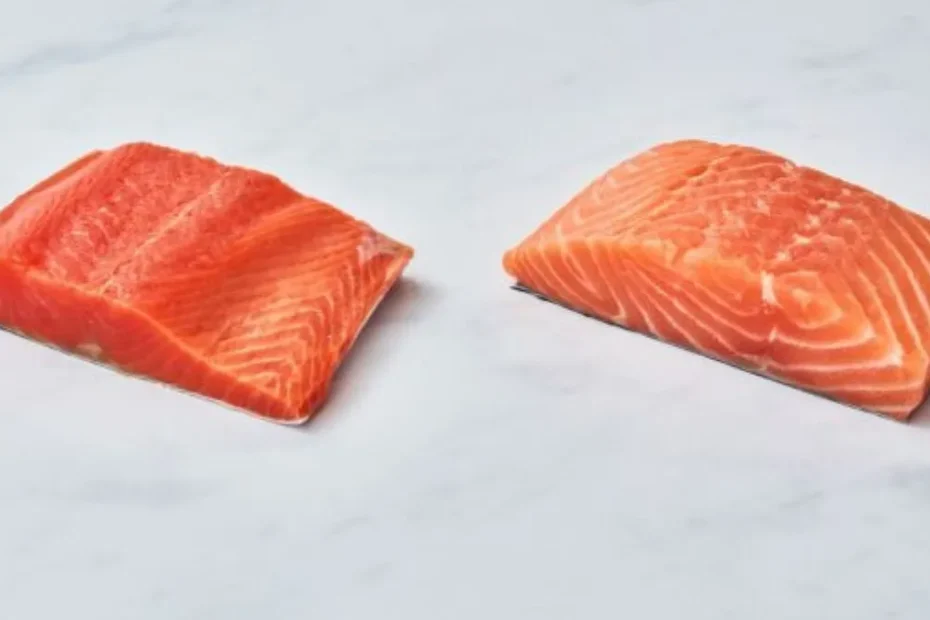
Have you ever wondered why salmon fillets vary so dramatically in color, with some showcasing a vivid pink and others a much lighter shade? If this has crossed your mind during your seafood shopping trips, you’re in good company. Dive in with us as we unravel the intriguing factors behind these color differences and reveal the hidden truths that influence what ends up on your plate.
Not All Salmon Are Created Equal
When you think of salmon, you probably picture that classic, deep coral hue. But did you know that not all salmon are born with that color?
- Wild salmon get their color naturally.
- Farmed salmon’s color comes from a surprising source.
So, is one better or healthier than the other? Let’s break it down.

Why Is Wild Salmon So Pink?
Here’s the scoop: wild salmon feed on a diet rich in krill and shrimp. These tiny sea creatures are loaded with a pigment called astaxanthin, which is a powerful antioxidant.
- Astaxanthin gives wild salmon its signature pink-orange color.
- It’s the same pigment that makes flamingos pink!
This natural diet is why wild-caught salmon tend to have a richer, deeper color. According to nutrition experts, the color of wild salmon can even vary depending on where it’s caught and what it’s been eating.
What About Farmed Salmon?
Here’s where things get interesting. Farmed salmon don’t have access to the same food as their wild cousins. Instead, they’re fed pellets designed to help them grow fast and stay healthy. But—these standard pellets don’t contain astaxanthin.
- Without astaxanthin, farmed salmon would actually be grayish.
- To recreate the natural color, farmers add a synthetic version of astaxanthin to the diet.
Sound surprising? It’s standard practice worldwide, and it’s approved by food safety agencies. Still, it’s one of those facts that can make you look at your plate a little differently!

Natural vs. Synthetic: Does It Matter?
You might be wondering: does the source of the pink color make a difference to your health? The general consensus among dietitians and researchers is that both natural and synthetic astaxanthin are safe to eat. In fact, the synthetic version is chemically identical to the natural stuff.
- Both types of salmon are rich in omega-3 fatty acids.
- Both are high in protein and vitamins.
- Wild salmon may have slightly higher levels of certain nutrients, like vitamin D and astaxanthin.
However, some people prefer wild salmon for its “natural” diet and environmental impact. Others choose farmed salmon for its accessibility and affordability.
How to Spot the Difference at the Store
If you want to know what you’re buying, there are a few clues to look for:
- Wild salmon usually has a more vibrant, deep reddish-orange color.
- Farmed salmon often looks lighter, more peach or pale pink.
- Check the label—most stores will specify wild or farmed.
And remember, color isn’t always a perfect indicator since some farmed salmon can be quite bright thanks to added pigment.

Does Color Affect Taste?
Here’s something you might not expect: color and taste aren’t always linked! Wild salmon tends to have a firmer texture and a more pronounced “sea” flavor, which many people adore. Farmed salmon is usually milder and fattier, which can make it taste richer or more buttery.
It really comes down to what you (and your family) prefer. Have you noticed a difference before?
The Bottom Line
So, next time you’re shopping for salmon, you’ll know exactly why those fillets look so different. Whether you pick wild or farmed, both options can fit into a healthy diet. The color may catch your eye, but the real difference is in how each fish lived—and what you value most on your plate.
- Wild salmon: colored by nature’s diet.
- Farmed salmon: colored by science-approved supplements.
Now you’re equipped to make a choice that’s right for you. Which will you choose next time?

VPNs: Do You Really Need One or Is It Just Marketing Hype?

Incognito Mode: Does It Actually Hide Your Browsing from Your ISP?

Subscription Fatigue: How to Find and Cancel Subs You Forgot About

5G Conspiracy: Why The Towers Are Harmless (Physics Explained)
Wireless Charging: Is It Less Efficient Than Plugging In?