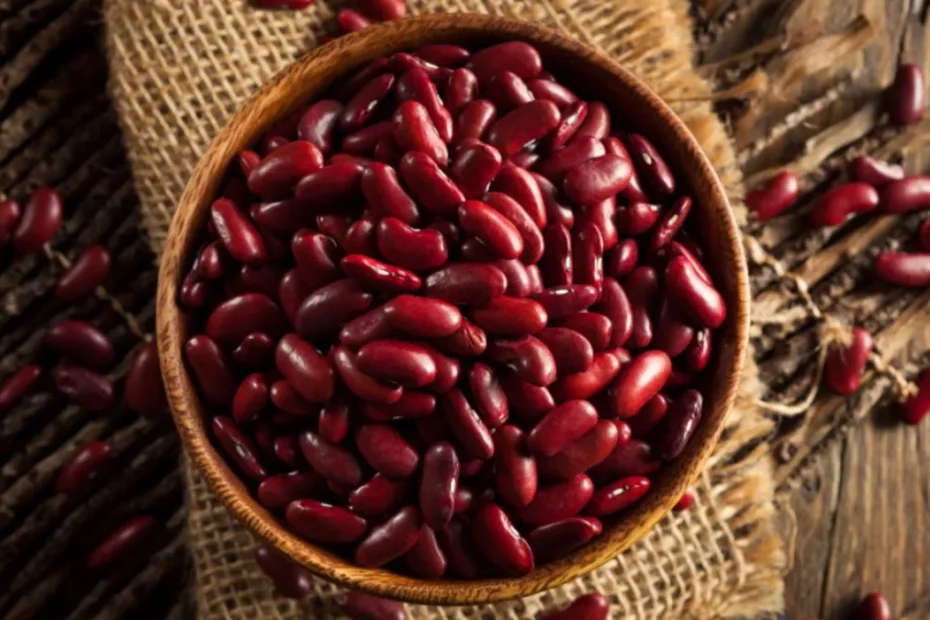
Have you ever thought about the hidden dangers lurking in your favorite chili recipe? If you’ve ever tossed raw kidney beans into your slow cooker, you might be unknowingly introducing a potent natural toxin. What happens when these beans aren’t cooked properly, and why is this crucial for your health?
What Most People Don’t Know About Kidney Beans
I love a hearty bowl of chili as much as the next person. But here’s the thing: not all beans are created equal, especially when it comes to kidney beans. Did you ever wonder why your stomach felt off after a home-cooked meal?
Turns out, raw kidney beans pack a powerful punch of something called phytohaemagglutinin—a toxin that can cause serious digestive upset.

- Red kidney beans have the highest toxin levels among all beans.
- Just a handful of undercooked beans can cause nausea, vomiting, and diarrhea.
- Symptoms typically appear within 1-3 hours of consumption, according to the FDA and food safety experts.
Why Slow Cookers Make the Problem Worse
Slow cookers are a kitchen staple for busy cooks, right? You set it, forget it, and come home to dinner. But here’s the catch: slow cookers often don’t get hot enough to destroy kidney bean toxins.
- The toxin phytohaemagglutinin is only neutralized at boiling temperatures (100°C/212°F).
- Slow cookers typically operate below this threshold, especially on the low setting.
- This means the beans can actually become even more toxic as they cook slowly.
This isn’t just a rare incident. Food safety authorities like the CDC and UK’s Food Standards Agency have documented outbreaks linked to slow-cooked beans.
How Dangerous Is It, Really?
You might be thinking, “Is it really that bad if I eat a few undercooked beans?” The answer: yes, it can be. Even as few as four or five raw or undercooked kidney beans can make you violently ill.
- The FDA warns symptoms include severe nausea, vomiting, and abdominal pain.
- Most people recover within a few hours, but it’s not a fun ride.
- Children and the elderly are especially vulnerable.
The general consensus among food scientists is clear: never eat raw or undercooked kidney beans. The risk simply isn’t worth it.

The Right Way to Prepare Kidney Beans
So, how do you make sure your beans are safe? The process is surprisingly easy—and it’s backed by decades of kitchen wisdom.
- Soak raw kidney beans in water for at least 5 hours (overnight is best).
- Drain and rinse the beans thoroughly.
- Boil beans in fresh water for at least 10 minutes before adding them to any recipe.
- If you’re using canned beans, you’re good to go—they’re already cooked and safe.
Don’t skip the boiling step! Slow cookers alone won’t get the job done, no matter how long you leave them running.
What About Other Beans?
It’s not just kidney beans you need to be careful with, but they’re the most potent. Other beans like black beans or navy beans contain much lower levels of toxins or none at all.
- Red kidney beans: highest toxin levels
- White kidney beans (cannellini): also risky, but less than red
- Other beans: generally safer, but best to follow safe soaking and boiling practices anyway
Why take a chance when you can use the same prep for all beans and avoid an unpleasant surprise?

The Bottom Line: Safety First
We all want quick, easy, and delicious meals, but some shortcuts just aren’t worth it. Next time you grab raw kidney beans for that slow-cooker recipe, remember: soak, boil, and then cook. Your stomach will thank you!
Have you ever felt sick after a slow-cooked meal with beans? Now you know why. Feel free to share this with your fellow home cooks—let’s keep our kitchens safe, one bean at a time.

VPNs: Do You Really Need One or Is It Just Marketing Hype?

Incognito Mode: Does It Actually Hide Your Browsing from Your ISP?

Subscription Fatigue: How to Find and Cancel Subs You Forgot About

5G Conspiracy: Why The Towers Are Harmless (Physics Explained)

Wireless Charging: Is It Less Efficient Than Plugging In?