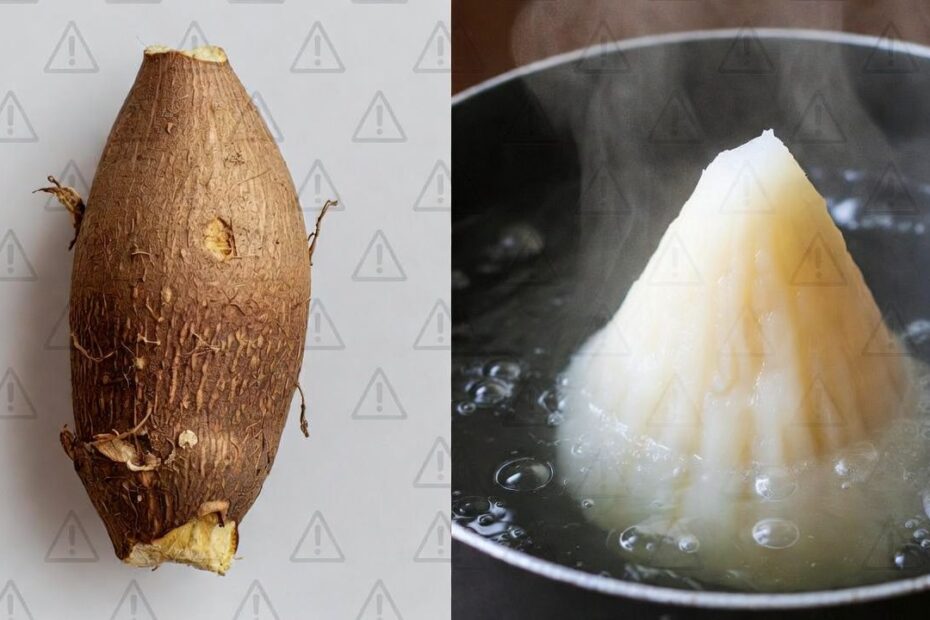
Have you ever thought about the hidden aspects of your favorite comfort food? If you’re a fan of cassava, or tapioca, it’s important to explore the lesser-known facts about this popular root. You may be intrigued to discover why mastering the right cooking techniques for cassava is so vital—what lies behind this widely shared recommendation?
Wait, There’s Cyanide In Cassava?
Yes, you read that right. Cassava naturally contains compounds called cyanogenic glycosides. When you eat raw or undercooked cassava, these can turn into cyanide in your body—a potent poison. Sound scary? That’s because it is.
But don’t panic! I’m here to clear up the facts, and you’ll see why proper cooking makes all the difference.

Why People Love Cassava (And Shouldn’t Fear It—When Prepared Right)
Cassava is a dietary staple for over half a billion people worldwide. It’s:
- Starchy, filling, and affordable
- Gluten-free—great for sensitive eaters
- Used in snacks, bubbles for bubble tea, and more
But as tasty as it is, most experts agree: Raw cassava is NEVER safe to eat. Let’s dig deeper.
How Much Cyanide Is In Cassava?
Here’s where it gets interesting. There are two main types of cassava:
- Sweet cassava: Lower in cyanogenic compounds
- Bitter cassava: Higher in natural toxins
Both types need thorough cooking. Even the ‘sweet’ kind isn’t safe raw. According to food safety organizations, improper prep can lead to nausea, vomiting, and even fatal poisoning in rare cases. Doesn’t sound like a risk you want to take, right?

What Happens When You Eat Raw or Undercooked Cassava?
Your body converts the natural chemicals in cassava into hydrogen cyanide. In small doses, you might only feel sick. In larger doses, it can affect your nerves, breathing, or even be deadly. That’s why the World Health Organization (WHO) and food safety agencies around the globe stress proper preparation.
Cyanide poisoning from cassava is rare where prep guidelines are followed. But outbreaks are reported in places where knowledge is lacking or shortcuts are taken.
How To Safely Prepare Cassava And Tapioca
Here’s the good news: Cooking gets rid of the threat. The key is removing as much of the cyanide as possible, and here’s how:
- Peel the cassava thoroughly. The skin is where most toxins are concentrated.
- Soak the roots. Many cultures soak cassava pieces in water for hours or overnight. This leaches out toxins.
- Boil, steam, or fry completely. Heat destroys cyanogenic compounds. Most experts recommend at least 15-20 minutes of boiling.
- Never eat it raw. This applies to tapioca pearls, flour, and chips, too.
Even products like tapioca pearls for bubble tea are made from processed cassava, but you still need to cook them as directed. Ever notice those “must cook before eating” warnings? Now you know why!

What The Experts Say
According to the U.S. Centers for Disease Control and the Food and Agriculture Organization, proper cassava preparation eliminates risk for most people. The consensus is clear: If you boil, steam, or fry cassava well, it’s perfectly safe (and delicious!).
Cooking also breaks down anti-nutrients that can interfere with digestion. So not only are you staying safe—you’re getting the best nutrition, too.
Common Questions About Cassava Safety
Still worried? Here are answers to some common questions I hear:
- Can you get poisoned from eating tapioca pudding? No, as long as it’s made from processed tapioca and cooked as directed.
- What about frozen or packaged cassava? Follow package instructions. Most are pre-treated but still need thorough cooking.
- Is cassava safe for kids? Yes—when fully cooked. Just like potatoes, never serve it raw!
The Takeaway: Safe, Tasty, and No Need To Worry—If You Cook It!
To sum up, cassava and tapioca can be a delicious, gluten-free addition to your diet. But only when cooked right! If you follow the world’s experts and treat cassava with care, there’s nothing to fear. Just promise me you’ll never eat it raw, okay?
Have any favorite cassava recipes? Or are you surprised by this hidden danger? Let me know—let’s keep sharing the knowledge and keep every meal safe!

VPNs: Do You Really Need One or Is It Just Marketing Hype?

Incognito Mode: Does It Actually Hide Your Browsing from Your ISP?

Subscription Fatigue: How to Find and Cancel Subs You Forgot About

5G Conspiracy: Why The Towers Are Harmless (Physics Explained)
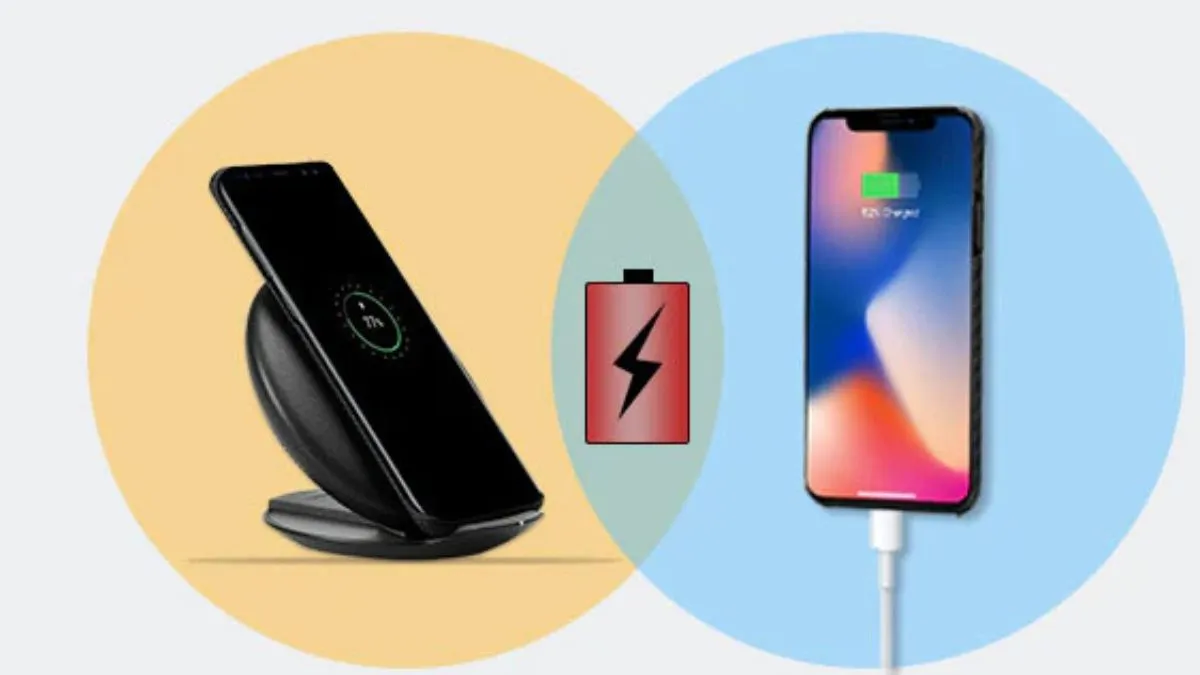
Wireless Charging: Is It Less Efficient Than Plugging In?