Have you ever wondered why rhubarb leaves come with cautionary advice, especially when the stalks are a beloved ingredient in your favorite desserts? Dive in with us as we unravel the intriguing reasons behind the risks associated with this plant and discover why those warnings are more important than you might think.
Why Rhubarb Leaves Get a Bad Rap
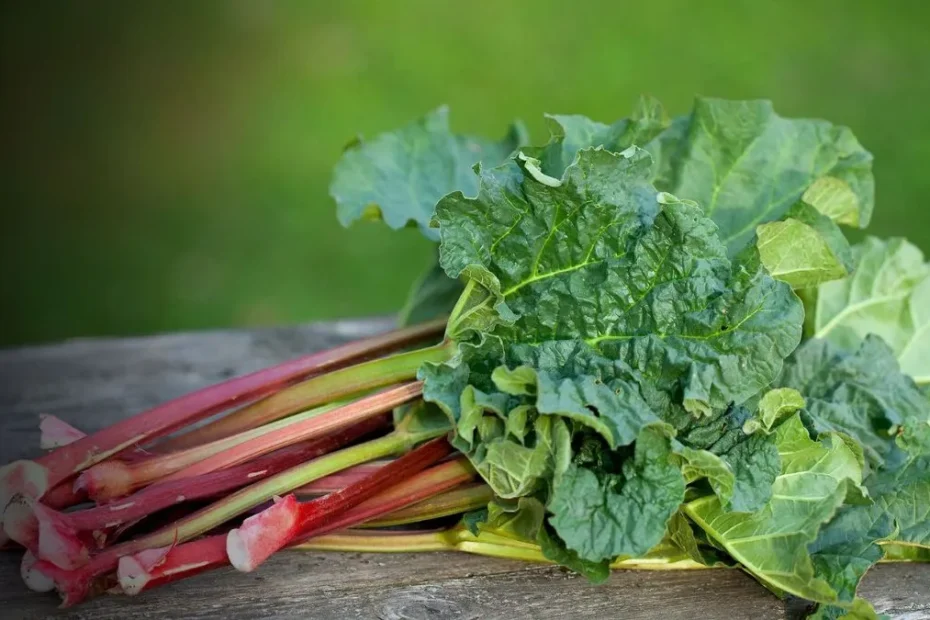
So, what’s the big deal with rhubarb leaves, anyway? You see rhubarb stalks in pies and crumbles, but the leaves are always tossed aside. Turns out, there’s a scary reason.
- Rhubarb leaves contain oxalic acid and anthraquinone glycosides.
- Both chemicals are toxic to humans—and even small amounts can cause problems.
- The stalks are safe; it’s only the leafy part you need to watch out for.
Ever wondered who figured this out? Food safety experts and gardeners alike have sounded the alarm for decades. The general consensus is: Stay far away from those leaves!

What Happens If You Eat Rhubarb Leaves?
I know what you’re thinking: “How bad could it really be?” The answer? Worse than you might imagine.
- Nausea and vomiting are common first symptoms.
- Severe poisoning can cause difficulty breathing, seizures, and even kidney failure.
- Animals like cats and dogs are also at risk if they munch on discarded leaves.
The majority of reported poisonings are accidental—people simply don’t realize how potent the leaves are. Experts agree: It’s not worth the risk.
Why Are the Stalks Safe?
The contrast is wild, isn’t it? How can one part of the plant be delicious, and the other, deadly? Here’s what sets the stalks apart.
- Rhubarb stalks have only trace amounts of oxalic acid—nothing to worry about if eaten in moderation.
- The toxic compounds are concentrated in the leaves, not the stalks.
- That’s why recipes always remind you: “Remove all leaf material.”
It’s a good reminder that not every plant is safe from root to tip. Especially with rhubarb, knowing the difference is crucial.
How Did This Knowledge Spread?
Did you learn from a wise grandma, or maybe a garden club friend? You’re not alone. The warning about rhubarb leaves is part of gardening and food culture for a reason.
- Historical accounts and scientific studies dating back to the 1800s highlight rhubarb leaf toxicity.
- Most cookbooks and gardening guides include a clear warning.
- Medical professionals back it up—there are documented cases of poisoning from the leaves.
It’s one of those rare cases where the advice is unanimous. The experts agree: Avoid those leaves at all costs.
What Should You Do With Rhubarb Leaves?
So, you’ve just harvested rhubarb from the garden. What next? Here’s what I do, and what the experts recommend:
- Trim and discard the leaves immediately—don’t let them mix in with your food prep.
- Compost is fine, as the toxins break down over time and aren’t absorbed by edible plants.
- Keep pets and young kids away from discarded leaves.
It’s a simple step that could prevent a lot of worry. And you’ll still get to enjoy your rhubarb crumble safely!

The Bottom Line
Rhubarb is one of those fascinating plants where knowing the “rules” really matters. The stalks are a springtime treat, but the leaves? That’s a hard no from me—and from experts everywhere.
- Always remove and discard the leaves—don’t risk it.
- If someone accidentally eats them, seek medical attention right away.
- Share this tip with friends and family. You never know who needs the reminder!
So, next time you’re prepping rhubarb, you’ll know exactly what to do. Isn’t it wild how a tiny bit of knowledge can keep you safe—and let you keep enjoying those delicious rhubarb treats?

VPNs: Do You Really Need One or Is It Just Marketing Hype?

Incognito Mode: Does It Actually Hide Your Browsing from Your ISP?

Subscription Fatigue: How to Find and Cancel Subs You Forgot About

5G Conspiracy: Why The Towers Are Harmless (Physics Explained)
Wireless Charging: Is It Less Efficient Than Plugging In?