The profession of firefighting has always been synonymous with courage, rapid response, and protection of life and property.
Historically centered on extinguishing fires, firefighters today are pivotal responders to a wide spectrum of disasters—from natural catastrophes like wildfires and floods to man-made emergencies including technical rescues and hazardous material events.
The growing role of firefighters in disaster response reflects the evolution of emergency management systems worldwide, fueled by rising disaster frequency, technological innovation, and integrated community resilience strategies.
In this comprehensive article, we delve into facts, figures, and the multifaceted role of firefighters, supported by the latest data and trends to paint a complete picture of how this profession is transforming in the face of modern challenges.
Section 1: Understanding the Evolving Role of Firefighters
Traditional Duties vs Modern Responsibilities
Traditionally, firefighters focused on extinguishing fires and protecting property. Today, their duties span much further. In addition to fire suppression:
- They provide medical aid and emergency medical services (EMS) as first responders.
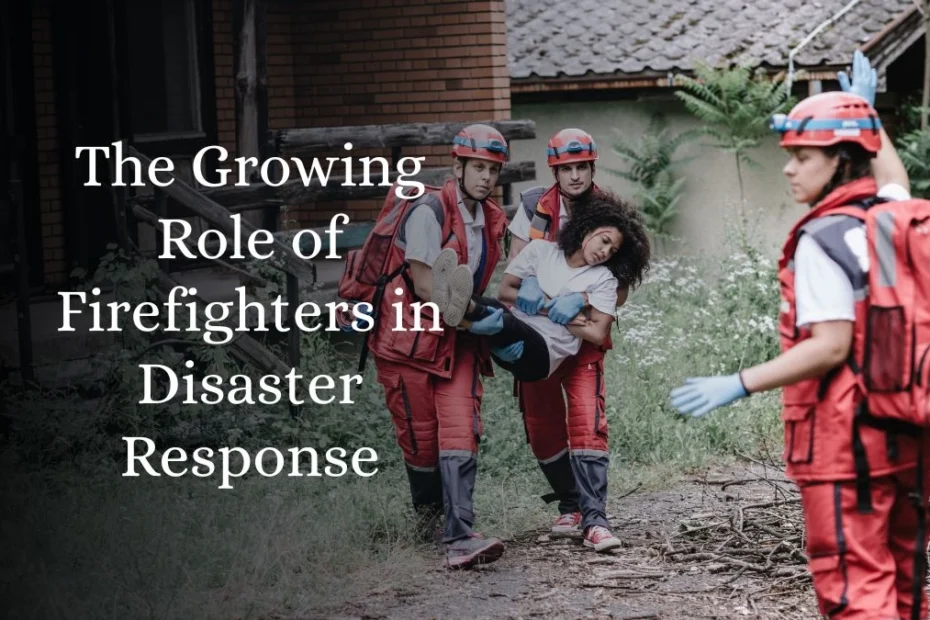
- They conduct search and rescue (SAR) efforts during disasters.
- They participate in hazard mitigation and evacuation planning.
- They educate communities on fire safety and disaster preparedness.
Moreover, firefighters are trained to handle hazardous materials (HazMat), urban search and rescue, and large-scale disaster management—roles that require advanced skills beyond traditional firefighting.
Section 2: Latest Statistics on Fire and Rescue Operations
Understanding the scale of incidents firefighters respond to is essential for appreciating their expanded role. Below is a snapshot of recent data.
Recent U.K. Fire and Rescue Incident Data (Year Ending March 2025)
| Incident Type | Total Incidents | Yearly Trend |
|---|---|---|
| Total Incidents | 603,942 (2025) | Up 0.6% from 2024 |
| Fire-related Incidents | 142,494 | Up 2.5% |
| Non-fire Incidents | 211,222 | Up 1.8% |
| Fire False Alarms | 250,226 | Down 1.5% |
| Fire-related Fatalities | 271 | Up 8.0% |
| Non-fatal Casualties | 6,410 | Up 1.0% |
| Average Response Time (Primary Fires) | 9m 6s | Slight Increase |
| Flooding & Water Rescues | 18,540 | Decrease by 8.3% |
Source: UK Fire and Rescue Incident Statistics, Year Ending March 2025
These figures demonstrate that firefighters increasingly respond to non-fire emergencies, including rescues and collaborative incidents, making up a substantial portion of their workload.
Section 3: Firefighters in Disaster Response and Preparedness
A. Search and Rescue Operations
Firefighters are often the first on scene during disasters, including earthquakes, hurricanes, and urban collapses. Their search and rescue capabilities include:
- Locating and extricating survivors.
- Stabilizing structures.
- Providing immediate medical triage.
This role often precedes federal or international disaster response teams, which may take hours to arrive.
B. Evacuation and Population Safety
Firefighters coordinate and lead evacuation procedures for affected communities during emergencies. This can involve:
- Clearing hazardous zones.
- Providing transport and shelter guidance.
- Communicating safety plans in real time.
C. Coordination with Other Agencies
Modern disaster response is a multi-agency effort, and firefighters play a critical coordination role with:
- Emergency medical services (EMS)
- Police departments
- National disaster task forces (e.g., FEMA Urban Search and Rescue Task Forces)
Fire departments often work within structured incident command systems that integrate these resources efficiently.
Section 4: Training, Skills, and Preparedness
To meet the diverse demands of modern disaster response, firefighters undergo comprehensive training that includes:
- Advanced emergency medical training (e.g., EMT or paramedic level).
- Technical rescue training for water, rope, confined space, and collapsed structures.
- Hazardous materials (HazMat) handling and mitigation.
- Continuous exercises in SAR and evacuation strategies.
In 2025, several regions are investing in specialized facilities, including fire simulator training centers and underwater rescue training programs, reflecting the expanded skill set needed today.
Section 5: Innovation and Technological Integration
The integration of technology into firefighting operations is reshaping disaster response:
- Real-time monitoring systems enhance situational awareness.
- Drones assist in aerial surveillance during wildfires and large-scale emergencies.
- Wearable IoT devices track firefighter health and location during missions.
These innovations help reduce risks and improve coordination during complex operations.
Section 6: Challenges Facing Firefighters in Disaster Response
Despite their importance, firefighters face significant challenges:
- Increasing frequency and severity of wildfires due to climate change, demanding more resources and adaptive tactics.
- Physical and psychological stress, especially in long-duration disaster deployments.
- Shortages of skilled personnel in many regions.
- Rising hostility and aggression encountered during emergency responses.
- Technological adoption issues, which can hinder rapid data sharing and field management.
These challenges underscore the need for continuous training, community support, and investment in emergency services infrastructure.
Section 7: Global Examples of Firefighters on the Frontline
Example: 2025 South Korea Wildfires
In 2025, South Korea mobilized nearly 1,600 firefighting personnel, 35 helicopters, and extensive ground support to combat severe wildfires, demonstrating the role of firefighters in national disaster mobilization.
Example: Greece Wildfire Response
Greece deployed 18,000 firefighters, nearly doubling its drone fleet for wildfire surveillance, showing how firefighters are integrated into climate-related disaster strategies.
These examples illustrate firefighters’ involvement in large-scale, nationally coordinated disaster response efforts, often integrating international cooperation and technological tools.
Section 8: Career Outlook and Employment Trends
According to U.S. employment projections:
- Firefighter employment is expected to grow by about 3% from 2024 to 2034, matching average occupational growth.
- Roughly 27,100 new openings per year are anticipated, driven partly by retirements and workforce replacement needs.
- The median annual wage for firefighters was approximately $59,530 in 2024.
This stable growth reflects ongoing demand for firefighting and disaster response professionals in both developed and developing regions.
The role of firefighters has evolved dramatically. No longer limited to putting out fires, they:
- Serve as first responders in medical and rescue operations.
- Lead disaster evacuations and hazard mitigation.
- Coordinate with multi-agency disaster response systems.
- Embrace technology and advanced training to enhance effectiveness.
With climate change intensifying natural disasters and urban populations growing, the expanded role of firefighters in disaster response is more vital than ever. Supporting these professionals through training, equipment, and community integration is essential for building resilient societies capable of facing tomorrow’s emergencies.
FAQs
How has the role of firefighters expanded beyond firefighting?
Firefighters now respond to medical emergencies, search and rescue missions, hazardous material incidents, and large-scale disaster management efforts, complementing traditional fire suppression duties.
Why are firefighters critical in disaster response systems?
Firefighters are often the first to arrive at disasters, conduct evacuations, coordinate with multiple agencies, and use specialized skills to save lives and reduce damage.
What challenges do firefighters face today?
Modern firefighters confront increasing disaster frequency due to climate change, workforce shortages, technological adaptation hurdles, and physical and psychological stress during prolonged deployments.
How Firefighters Strengthen Communities Beyond Emergency Response
Fire Department Funding: Why It Matters for Public Safety
The History Of Professional Firefighting And Its Evolution
Why Becoming a Firefighter Is More Than Just a Career
How Firefighters Balance Family Life And Emergency Service