Firefighting is far more than emergency response. It involves prevention, preparedness, policy development, and long-term planning to protect both communities and first responders. Firefighter associations play a central role in shaping these outcomes.
Across the United States and many other countries, firefighter associations influence public safety policy, promote fire service standards, secure funding, and advocate for health and safety protections. Their work directly impacts building safety, wildfire readiness, firefighter wellness, and the ability of departments—career and volunteer alike—to serve the public effectively.
With thousands of fires occurring each day and firefighters facing growing risks from cancer, cardiovascular strain, and extreme weather events, the work of firefighter associations has become more critical than ever.
What Are Firefighter Associations
Firefighter associations are organized groups that represent firefighters, fire officers, chiefs, or entire departments at local, state, national, or international levels. Their missions typically include:
- Advocacy for firefighter safety and health
- Policy engagement at legislative and regulatory levels
- Development of standards, best practices, and training guidance
- Support for funding, staffing, and community risk reduction
Some focus on labor and working conditions, others on leadership and strategy, while many concentrate on standards, prevention, and public education.
Major Types Of Firefighter Associations
Firefighter associations generally fall into several categories:
- Labor and membership associations that represent firefighters’ rights and benefits
- Leadership organizations that represent fire chiefs and senior officers
- Volunteer fire service organizations focused on recruitment and retention
- Standards and safety bodies that develop widely adopted fire codes
- Federal fire service institutions that support national preparedness
Each type contributes uniquely to policy development and public safety outcomes.
How Firefighter Associations Influence Policy
Turning Frontline Experience Into Law
Firefighters encounter hazards, staffing gaps, and equipment challenges firsthand. Associations transform these real-world experiences into policy proposals, legislative testimony, and reform initiatives.
For example, firefighter associations have been instrumental in advancing laws related to:
- Occupational cancer presumptions
- Line-of-duty death recognition
- Behavioral health protections
- Retirement and disability benefits
By organizing data and personal accounts, associations ensure lawmakers understand the realities of the fire service.
Advocating For Health And Safety Protections
Firefighter associations have led national efforts to address:
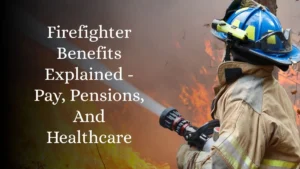
- Cancer risks linked to smoke and toxic exposure
- Cardiac health, the leading cause of firefighter line-of-duty deaths
- Mental health and PTSD
- Reduction of harmful chemicals such as PFAS in protective gear
These efforts result in safer equipment standards, improved medical monitoring, and stronger worker protections.
Firefighter Associations And Public Safety Funding
Securing Federal, State, And Local Support
Fire departments depend heavily on public funding for apparatus, protective gear, staffing, and training. Firefighter associations play a major role in defending and expanding these funding streams.
At the federal level, associations advocate for grant programs that support:
- Firefighter hiring and retention
- Training and professional development
- Equipment modernization
- Emergency preparedness
These funding programs often determine whether departments can meet response-time goals and safety standards.
Improving Public Safety Beyond Emergency Response
Fire Prevention And Education
Firefighter associations strongly support fire prevention, recognizing that the safest emergency is the one that never occurs. They promote:
- Smoke alarm and sprinkler use
- Home escape planning
- School-based fire safety education
- Community risk reduction strategies
These programs significantly reduce civilian deaths, injuries, and property loss.
Safer Buildings Through Codes And Standards
Standards organizations within the fire service develop codes that shape:
- Building construction requirements
- Fire alarm and suppression systems
- Firefighter protective equipment
- Emergency response operations
When adopted by governments, these standards lead to safer buildings, improved firefighter survivability, and stronger public protection.
Wildfire And Community Risk Reduction
Wildfires and the wildland-urban interface have become major public safety challenges. Firefighter associations increasingly focus on:
- Fire-adapted community planning
- Vegetation management policies
- Interagency coordination
- Training for wildland and structural firefighting integration
These policies help communities reduce wildfire risk before disasters occur.
The Role Of Associations In The Volunteer Fire Service
Volunteer firefighters protect millions of people, especially in rural and small-town areas. Associations supporting the volunteer fire service advocate for:
- Recruitment and retention incentives
- Tax benefits and stipends
- Training accessibility
- Employer support protections
Without these policy efforts, many volunteer departments would struggle to remain operational, directly affecting public safety.
Using Data And Research To Improve Safety
Learning From Line-Of-Duty Deaths
Firefighter associations support research and investigation into firefighter fatalities and injuries. The goal is not blame, but prevention. Findings are used to improve:
- Training protocols
- Incident command practices
- Equipment standards
- Fitness and wellness programs
Tracking Injuries And Trends
Reliable data allows associations to demonstrate where change is needed. Injury and fatality trends help justify investments in staffing, training, and safety technology.
Key Firefighter Associations And Their Impact
| Association | Primary Focus | Policy Role | Public Safety Impact |
|---|---|---|---|
| International Association of Fire Fighters | Career firefighters | Labor protections, health legislation | Cancer prevention, wellness programs |
| International Association of Fire Chiefs | Fire service leadership | National readiness and strategy | Community risk reduction, wildfire policy |
| National Volunteer Fire Council | Volunteer firefighters | Recruitment and incentive advocacy | Rural emergency service stability |
| National Fire Protection Association | Codes and standards | Safety regulations and guidance | Safer buildings and operations |
| United States Fire Administration | National preparedness | Fire data and training support | Department readiness and coordination |
| NIOSH Fire Fighter Fatality Investigation Program | Safety research | Prevention recommendations | Reduced line-of-duty deaths |
| Federal Emergency Management Agency | Emergency funding | Grant and preparedness programs | Equipment, staffing, and training support |
Why Firefighter Association Advocacy Matters To The Public
When firefighter associations succeed, communities benefit through:
- Faster emergency response times
- Safer homes, schools, and workplaces
- Reduced fire-related deaths and injuries
- Stronger wildfire resilience
- More reliable emergency services in rural areas
Public safety improves not just during emergencies, but every day through prevention and planning.
The role of firefighter associations in policy and public safety is essential. By transforming frontline experience into legislation, shaping safety standards, securing funding, and promoting prevention, these organizations protect both firefighters and the communities they serve.
As fire risks grow more complex—from climate-driven wildfires to health hazards and staffing shortages—firefighter associations remain a critical bridge between the fire service and policymakers.
Their advocacy ensures that public safety systems evolve, adapt, and continue saving lives long before the alarm sounds.
FAQs
Do Firefighter Associations Have Legal Authority?
Firefighter associations do not create laws, but they strongly influence legislation through advocacy, expert testimony, and policy development.
How Do Firefighter Associations Improve Public Safety Without Responding To Fires?
They focus on prevention, training standards, funding, and safety policies that reduce emergencies and improve outcomes when incidents occur.
What Is One Of The Biggest Policy Issues Firefighter Associations Address Today?
Firefighter health—especially occupational cancer, mental health, and long-term exposure risks—remains a top priority, along with staffing and wildfire preparedness.
How Firefighter Unions Support Members And Their Families
What It Takes To Build A Long And Successful Firefighting Career
How Firefighters Adapt to Modern Emergency Challenges
The Growing Role of Firefighters in Disaster Response
How Iowa Legislation Is Improving Firefighter Working Conditions