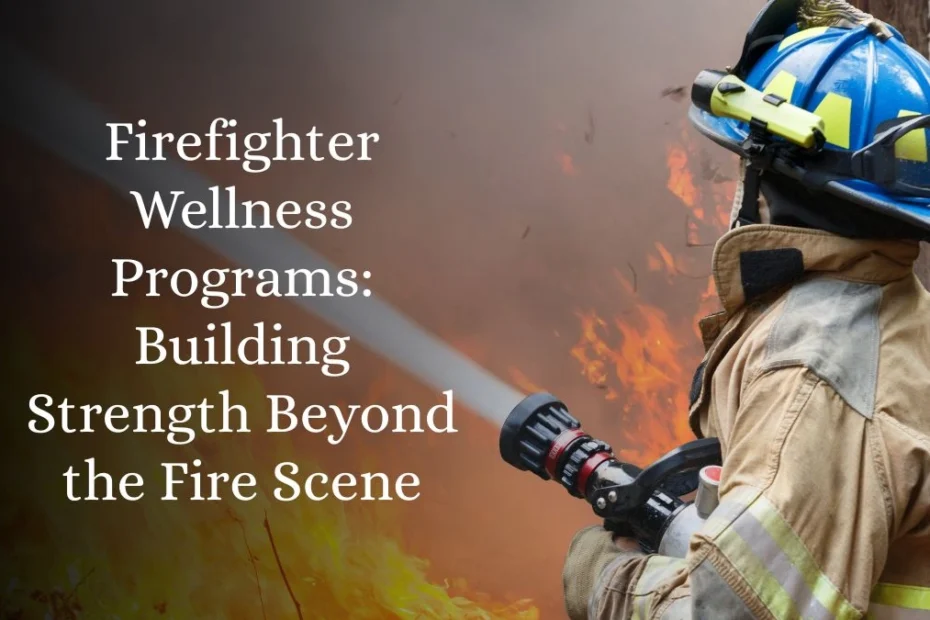
Firefighters are among the most courageous individuals serving communities around the world, rushing toward danger when others flee. Yet, behind the heroism and bravery lies a job loaded with physical strain, traumatic exposures, high stress, and long shifts that can deeply impact overall health and quality of life.
In response, modern fire departments globally are implementing comprehensive firefighter wellness programs — structured initiatives aimed at enhancing physical fitness, mental resilience, health monitoring, injury prevention, and overall well-being.
This article explores every detail of firefighter wellness programs in 2025, providing facts, figures, strategies, challenges, and solutions to ensure firefighters are supported well beyond the fire scene.

What Are Firefighter Wellness Programs?
Firefighter wellness programs are integrated systems of health and support services designed to protect, promote, and maintain the physical, mental, behavioral, and social health of firefighters across all career stages — from recruits to retirees.
These programs go beyond basic fitness to include nutrition, mental health support, early medical screening, injury prevention, and stress management.
At their core, wellness programs aim to:
- Improve firefighter physical readiness
- Address occupational stress and trauma
- Prevent chronic illnesses
- Reduce injury and disability
- Promote life balance and longevity
Why Wellness Programs Are Crucial for Firefighters
The nature of firefighting involves extreme physical and emotional demands. Firefighters regularly encounter high-risk situations such as structural fires, natural disasters, vehicle extrications, medical emergencies, and hazardous material exposures.
These experiences can lead to a host of health risks, including cardiovascular strain, musculoskeletal injuries, PTSD, anxiety, depression, substance use issues, and occupational cancer.
Recent studies report that firefighters are at significantly elevated risk for:
- PTSD, depression, and anxiety
- Suicide deaths — in some reports, nearly three times more likely compared to line-of-duty deaths due to untreated mental health challenges.
- Physical health deterioration when fitness support is lacking
- Long-term chronic illness without preventive care
Such risks make comprehensive wellness programs not just beneficial — but essential.
Core Components of Firefighter Wellness Programs
Wellness programs typically include several core pillars, each designed to promote a dimension of firefighter health:
1. Physical Fitness and Conditioning
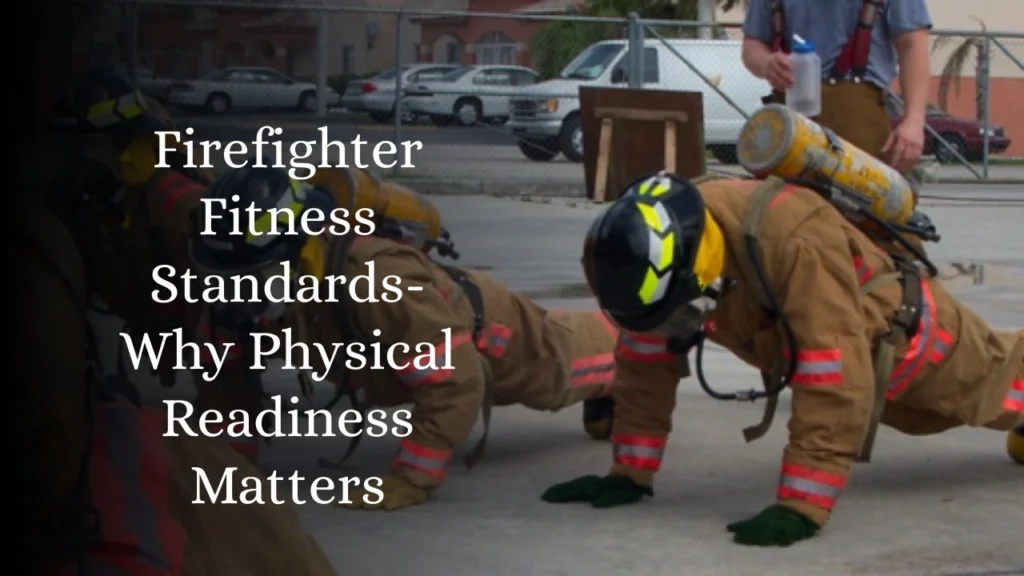
Physical readiness is fundamental. Firefighters perform strenuous, life-threatening tasks like hauling equipment, climbing stairs with heavy gear, and rescuing victims — all requiring strength, endurance, agility, and cardiovascular health.
Wellness programs usually provide:
- Fitness assessments and physical ability testing
- Access to gym equipment or onsite exercise facilities
- Structured exercise routines tailored to firefighting
- Nutrition planning and body composition evaluations
- Programs like the Firefighter Combat Challenge that promote real-world fitness goals and encourage competition and engagement.
2. Mental Health & Behavioral Support
Mental health is no longer an afterthought. Modern wellness frameworks recognize the intense emotional toll fire service work can take, from repeated trauma exposure to burnout and chronic stress.
Key mental health components include:
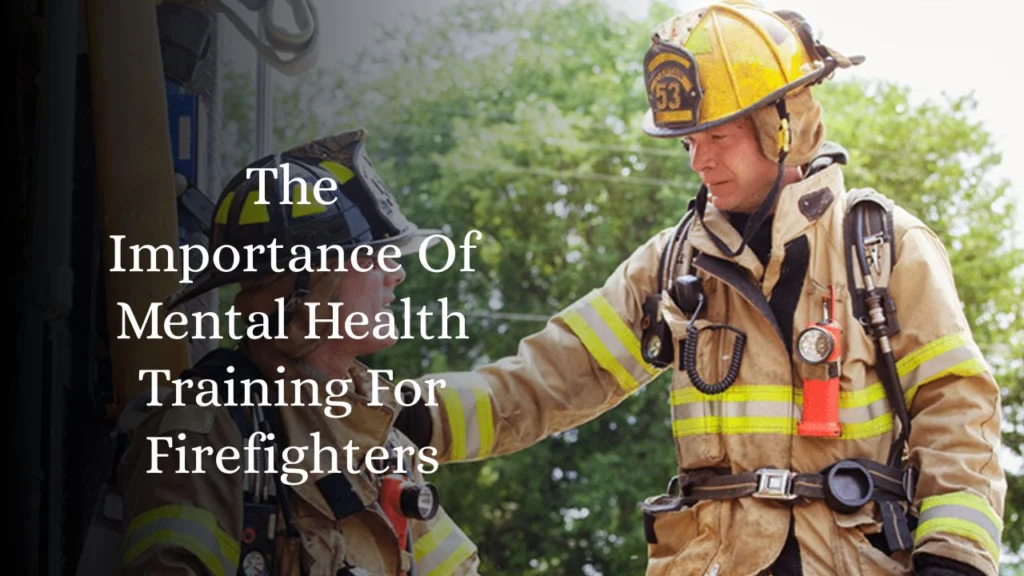
- Peer support systems for shared experiences and emotional trust
- Professional counseling or therapy services
- Training to recognize trauma signs and build resilience skills
- Suicide prevention workshops and crisis resources
- Tools to break stigma and foster supportive cultures.
3. Medical Screening & Preventive Care
Routine health evaluations are paramount for early detection of conditions like:
- Cardiovascular disease
- Cancer risk (notably through surveillance registries, though programs like the U.S. National Firefighter Registry for Cancer aim to reduce risk data gaps)
- Respiratory health
- Musculoskeletal strain
- Sleep quality and metabolic disorders
Programs commit to regular screenings, health education, and continuous monitoring.
4. Injury Prevention & Rehabilitation
Firefighting carries a high risk of injuries — from sprains to more severe trauma. Wellness initiatives include:
- Injury risk assessments
- Rehabilitation strategies
- On-scene monitoring to prevent exhaustion or heat stress
5. Lifestyle, Nutrition & Work-Life Balance
Diet, sleep, and lifestyle choices significantly influence a firefighter’s long-term health. Progressive wellness programs teach practical strategies for:
- Balanced nutrition to support energy and recovery
- Sleep strategies to combat irregular shift impacts
- Family engagement and work-life balance practices
6. Education & Training
Firefighter wellness also involves proactive education on subjects like stress management, financial planning, spiritual well-being, and coping mechanisms. Departments often run workshops that address:
- Stress reduction and mindfulness tools
- Conflict resolution
- Time management
- Leadership development in personal health
Key Firefighter Wellness Program Elements
| Component | Description | Impact |
|---|---|---|
| Physical Fitness & Conditioning | Strength and body readiness programs including functional training and competitions | Enhanced on-duty performance and reduced injury risk |
| Mental Health Support | Peer support, counseling, trauma training | Lower rates of PTSD, depression, and suicide |
| Medical Screening | Routine exams for cardiovascular, cancer, and respiratory health | Early disease detection and improved long-term health |
| Injury Prevention | On-scene rehabilitation and monitoring | Reduced acute injuries and chronic physical problems |
| Lifestyle & Nutrition | Education on diet, sleep, and balance | Improved metabolic, mental, and physical wellness |
| Education & Training | Wellness workshops and leadership development | Strengthened health literacy and proactive self-care |
Benefits of Implementing Wellness Programs
Fire departments that embrace wellness programs see multiple positive outcomes:
- Reduced injury claims and compensation costs
- Improved employee morale and retention
- Fewer on-duty medical incidents
- Enhanced team cohesion and culture
- Long-term cost savings (studies indicate a potential 2:1 to 3:1 return on investment for every dollar spent on wellness programs).
A prime example includes the Norwalk Fire Department, which achieved a dramatic reduction in workers’ compensation claims and significantly lower injury severity following implementation of comprehensive wellness, mobility, and mental health initiatives.
Challenges & Barriers
Despite the known benefits, some fire departments face hurdles:
- Budget constraints
- Resistance to cultural change
- Limited access to trained mental health professionals
- Inconsistent program integration
- Lack of ongoing evaluation and reinforcement
A majority of departments still offer limited mental health training, often only once or twice across a career, undermining consistent preparedness and resilience development.
Future of Firefighter Wellness Programs
Looking ahead, firefighter wellness will increasingly emphasize:
- Evidence-based mental health models integrated into daily training
- Expanded peer support networks
- Technology-enabled health monitoring systems
- Community partnerships to expand resources
- Policy frameworks that embed wellness into departmental standards
Ultimately, shifting culture and leadership attitudes toward holistic health will redefine how fire services protect not only the public but their most valuable assets — their firefighters.
Firefighter wellness programs are essential for safeguarding the health, resilience, and longevity of firefighters. Modern wellness strategies recognize that strength beyond the fire scene encompasses physical readiness, mental and emotional resilience, preventive medical care, and lifestyle balance.
While challenges like limited training and cultural stigma persist, proactive implementation and leadership commitment can transform wellness from an optional add-on to a core organizational value.
Investing in comprehensive wellness initiatives not only enhances individual firefighters’ well-being but also strengthens community safety, departmental performance, and long-term sustainability. The wellness of those who run toward danger is not just critical — it is imperative.
FAQs
What is the main goal of firefighter wellness programs?
Firefighter wellness programs aim to improve physical health, mental resilience, injury prevention, and quality of life for firefighters throughout their careers.
How do peer support programs help firefighters?
Peer support programs offer shared experience, reduced stigma, emotional trust, and an opportunity to seek help from colleagues who understand the unique challenges of fire service.
Are wellness programs mandatory in fire departments?
While recommended and increasingly adopted, wellness programs are not universally mandatory — uptake varies by region, department size, and available funding.
Firefighter Gear Explained: What Protects First Responders on Duty
How Fire Departments Prepare Firefighters For High-Risk Emergencies
Firefighter Fitness Standards- Why Physical Readiness Matters
The Importance Of Mental Health Training For Firefighters
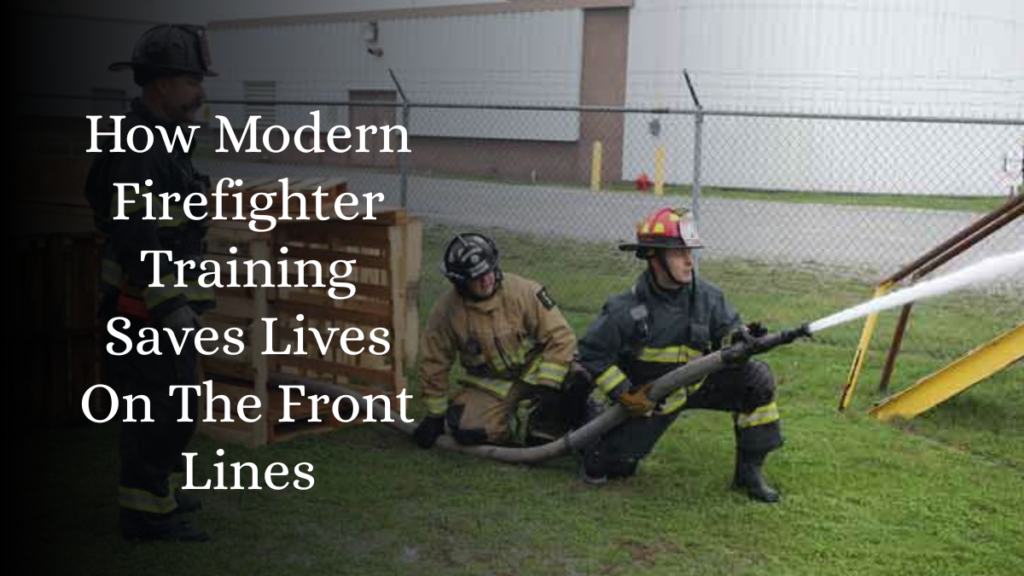
How Modern Firefighter Training Saves Lives On The Front Lines