Firefighters face some of the most hazardous, unpredictable, and high-pressure environments imaginable. To operate safely and effectively, Personal Protective Equipment (PPE) and specialized gear are essential.
This article explores every critical piece of firefighter gear, how it protects first responders, the standards behind it, and the latest developments in protection and safety.
All information is based on the latest publicly available knowledge and real-world standards.
Introduction to Firefighter Protective Gear
Firefighter protective gear — often called turnout gear, bunker gear, or PPE — is engineered to shield firefighters from extreme heat, smoke, toxic environments, falling debris, and other dangers encountered during emergencies.
As the frontline defense for firefighters, this gear combines advanced materials, rigorous testing, and ergonomic design to balance protection with mobility.
Standards such as NFPA 1971 regulate gear performance to ensure reliable protection. These standards set minimum requirements for thermal resistance, water resistance, visibility, impact resistance, and durability.
Critical Firefighter Gear and Its Protective Functions
Below is a comprehensive table outlining the key gear used by firefighters, what it protects against, and specific details about each item.
| Gear Component | Purpose / Protection | Key Details |
|---|---|---|
| Turnout Coat & Pants | Thermal, flame, moisture protection | Multi-layered fabric (outer shell, thermal liner, moisture barrier). Essential for structural firefighting. |
| Helmet | Head, impact, heat protection | Heat-resistant materials like fiberglass or polycarbonate; mounts for visors and lights. |
| SCBA (Self-Contained Breathing Apparatus) | Respiratory protection in smoke/toxic environments | Provides clean air via high-pressure gas cylinder and full-face mask. |
| Protective Hood | Neck and ear protection | Flame-resistant fabric covering head and neck areas under helmet. |
| Gloves | Hand protection from heat, cuts, punctures | Insulated, flexible gloves for dexterity and thermal protection. |
| Boots | Foot protection from heat, punctures, slipping | Heavy-duty rubber or leather with steel toes and insulation. |
| Eye & Face Protection | Shielding against smoke, debris | Integrated visors, goggles, safety glass. |
| PASS Device | Alerts in case of incapacitation | Emits audible alarm if a firefighter stops moving. |
| Communications Gear | Coordination and command | Radios and headsets integrated with helmet. |
| Technical Rescue Equipment | Specialized incident protection | Harnesses, ropes, and tools for confined space and high-angle rescue. |
Turnout Gear – The Foundation of Firefighter Protection
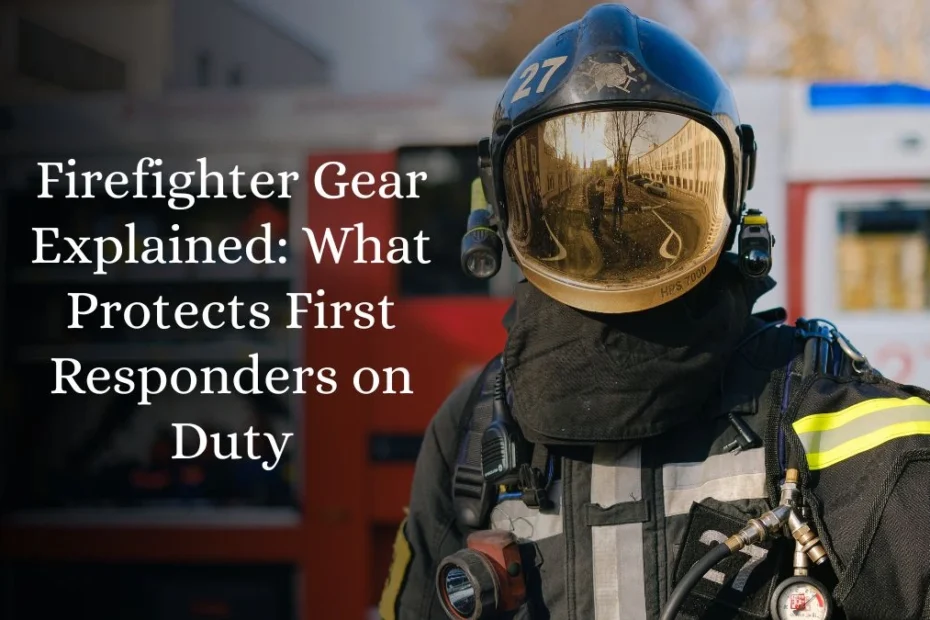
Turnout gear (also known as bunker gear) consists of a jacket and pants made from advanced fire-resistant materials. Its primary function is to protect against extreme heat, flames, and hazardous environments. The gear is constructed with multiple layers:
- Outer Shell: Typically made of materials like Nomex, Kevlar, or PBI, offering flame and abrasion resistance.
- Thermal Liner: Insulates heat and prevents thermal transfer to the firefighter’s skin.
- Moisture Barrier: Prevents water and chemicals from penetrating while allowing sweat to escape.
The design also incorporates high-visibility reflective striping to improve visibility in smoke and low-light conditions. Modern turnout gear is engineered for comfort and mobility, despite weighing around 45-50 pounds when fully equipped.
Helmet: Protecting the Head and Face
A firefighter’s helmet is crucial for protecting against heat, impacts, falling objects, and radiant energy. Modern helmets are made from durable, heat-resistant materials and often include:
- Adjustable internal suspension systems
- Mounts for face shields or visors
- Integrated lights or communication devices
The classic “New York” style leather helmet is a symbol of the profession, though modern composite helmets offer greater technological capability and durability.
SCBA: The Lifeline in Toxic Smoke
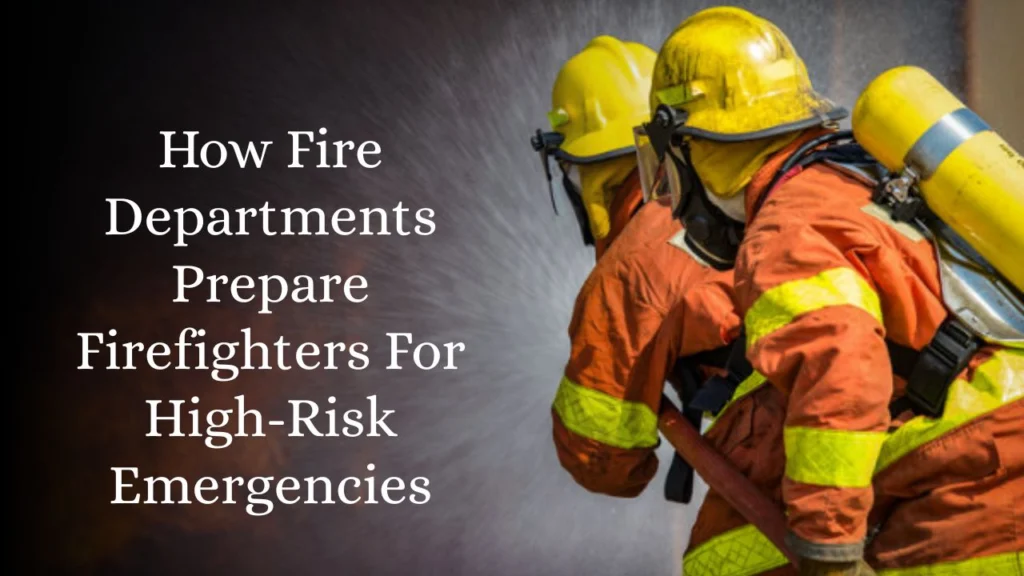
The Self-Contained Breathing Apparatus (SCBA) is one of the most vital pieces of gear for structural firefighting. It lets firefighters breathe clean air in smoke-filled, toxic, or oxygen-deficient environments. Components include:
- High-pressure air cylinder
- Pressure regulator
- Full-face mask or mouthpiece
SCBAs are designed to operate independently of external air and are critical in situations where immediately dangerous to life or health (IDLH) conditions exist.
Hoods, Gloves, Boots, and Other Protective Gear
Protective Hood
- Protects the neck and ears from heat and steam.
Gloves
- Designed to resist heat, cuts, and punctures while maintaining dexterity.
Boots
- Made from high-grade rubber or leather with steel toe protection, chemical resistance, and slip-resistant soles.
Eye and Face Protection
- Includes goggles, face shields, and integrated visor systems to guard eyes and face from smoke, sparks, and debris.
PASS Devices and Communication Systems
A Personal Alert Safety System (PASS) device triggers a loud alarm if a firefighter becomes motionless, signaling potential distress. These alarms are especially important in low-visibility environments where a firefighter may be incapacitated.
Modern communication gear integrated into helmets enhances coordination and improved safety during complex incidents.
Standards and Testing for Firefighter Gear
Protective gear must meet rigorous standards to ensure reliability and safety. Key standards include:
- NFPA 1971: Performance requirement for structural firefighting PPE.
- NFPA 1977: Standards for wildland firefighting gear.
- NFPA 1951: Requirements for technical rescue gear.
These standards test gear for thermal performance, impact resistance, water resistance, cut resistance, and durability.
Ongoing Challenges and Safety Developments
While gear is designed for protection, new concerns have emerged. Per- and polyfluoroalkyl substances (PFAS), used in many turnout gear fabrics to resist heat and moisture, have been linked to elevated cancer risks in firefighters.
States like Massachusetts and Connecticut have banned PFAS in firefighter gear, with other jurisdictions considering similar regulations.
Firefighters and unions are advocating safer alternatives as occupational cancer remains a leading cause of line-of-duty deaths.
Firefighter gear is more than a uniform; it is a life-saving system of advanced protective equipment designed to keep first responders safe in some of the most dangerous conditions known.
From multi-layer turnout gear to high-tech breathing apparatus and communications gear, every element plays a vital role in reducing injury and enhancing performance.
As technology and safety standards evolve, so too does the gear that protects the heroes who risk their lives for our safety.
FAQs
What materials are used to make firefighter turnout gear?
Firefighter turnout gear is made from heat-resistant materials like Nomex, Kevlar, and PBI, with multiple layers to protect from flames, heat, and moisture.
How does an SCBA help firefighters?
An SCBA provides a self-contained air supply, allowing firefighters to breathe safely in smoke-filled and toxic environments.
Why are states banning PFAS chemicals in firefighter gear?
PFAS chemicals used to make gear water and heat resistant have been linked to cancer and long-term health problems, prompting bans and legislation.
Firefighter Wellness Programs: Building Strength Beyond the Fire Scene
How Fire Departments Prepare Firefighters For High-Risk Emergencies
Firefighter Fitness Standards- Why Physical Readiness Matters
The Importance Of Mental Health Training For Firefighters
How Modern Firefighter Training Saves Lives On The Front Lines