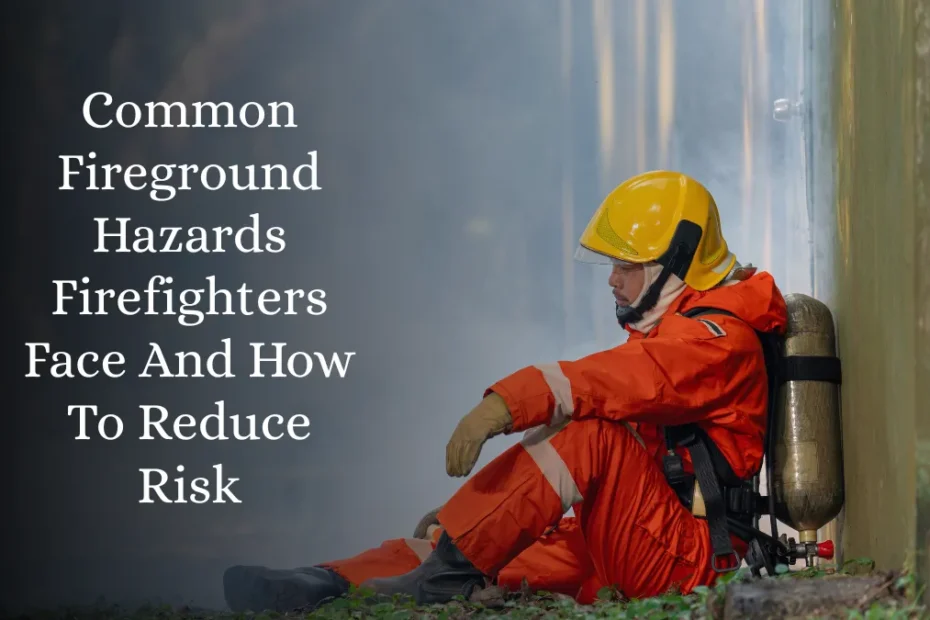
Firefighting is one of the most dangerous professions in the world. Every emergency scene presents multiple hidden and visible hazards that can seriously injure or even kill firefighters if not properly managed.
From extreme heat and toxic smoke to collapsing structures and unpredictable human behavior, the fireground is a constantly changing environment where risk is always present.
Understanding common fireground hazards and learning how to reduce those risks is essential for firefighter safety.
Modern training, better equipment, and strong command systems have helped lower injuries, but dangers still exist at every call. This article explains the most common hazards firefighters face on the fireground and the proven strategies used to reduce risk and save lives.
Understanding Fireground Hazards
Fireground hazards are any conditions, materials, or situations that threaten the safety of firefighters during emergency operations.
These hazards may appear suddenly or worsen without warning as fires grow, structures weaken, and environments change.
Hazards can be:
- Physical (heat, collapse, sharp debris)
- Chemical (toxic smoke, hazardous materials)
- Environmental (weather, poor visibility)
- Human-related (panic, traffic, violence)
Recognizing these risks early is the first step toward preventing injuries and fatalities.
Extreme Heat And Thermal Exposure
One of the most obvious fireground dangers is extreme heat. Firefighters work close to flames where temperatures can exceed 1,000 degrees Fahrenheit. Even with protective gear, prolonged exposure can cause burns, dehydration, and heat stress.
Risks include:
- Burns through protective gear
- Heat exhaustion or heat stroke
- Reduced mobility and decision-making
How To Reduce The Risk
- Use thermal imaging cameras to identify hot spots
- Rotate crews frequently to limit exposure
- Maintain hydration before, during, and after operations
- Monitor firefighters for early signs of heat illness
Smoke Inhalation And Toxic Gases
Smoke is far more dangerous than flames. Modern building materials release toxic gases when they burn, including carbon monoxide, hydrogen cyanide, and other deadly chemicals.
Common smoke-related dangers:
- Oxygen deprivation
- Disorientation and reduced visibility
- Long-term respiratory damage
How To Reduce The Risk
- Wear self-contained breathing apparatus (SCBA) at all times
- Enforce air management policies
- Conduct regular SCBA training and inspections
- Use ventilation techniques to clear smoke safely
Structural Collapse
Fires weaken buildings quickly. Roofs, floors, and walls may collapse without warning, trapping or crushing firefighters inside.
High-risk structures include:
- Older buildings
- Lightweight construction
- Fire-damaged roofs and floors
How To Reduce The Risk
- Perform continuous size-up and risk assessment
- Limit interior operations when collapse risk increases
- Establish collapse zones around buildings
- Use defensive strategies when structures become unsafe
Electrical Hazards
Downed power lines, exposed wiring, and energized equipment are serious fireground threats. Water used during firefighting can also conduct electricity, increasing the danger.
Electrical hazards can cause:
- Severe burns
- Cardiac arrest
- Fatal electrocution
How To Reduce The Risk
- Assume all wires are live until confirmed otherwise
- Coordinate with utility companies quickly
- Maintain safe distances from power lines
- Use insulated tools and equipment
Hazardous Materials Exposure
Many fire scenes involve hazardous materials, including fuel, chemicals, pesticides, and industrial substances. Exposure may not be immediately visible but can cause serious health problems.
Hazmat risks include:
- Skin absorption
- Inhalation of toxic vapors
- Chemical burns
How To Reduce The Risk
- Identify placards, containers, and warning signs
- Use proper personal protective equipment
- Follow decontamination procedures
- Limit exposure time and personnel involved
Limited Visibility And Disorientation
Thick smoke, darkness, and unfamiliar layouts can quickly disorient firefighters, leading to lost crews or delayed rescues.
Common causes of disorientation:
- Zero visibility conditions
- Complex building designs
- Rapid fire progression
How To Reduce The Risk
- Maintain crew integrity at all times
- Use search ropes and tagging systems
- Mark entry points clearly
- Train regularly in low-visibility scenarios
Slips, Trips, And Falls
Uneven surfaces, wet floors, debris, and broken glass increase the risk of falls. These injuries are among the most common firefighter injuries on the fireground.
Fall-related dangers include:
- Fractures
- Sprains
- Head injuries
How To Reduce The Risk
- Wear properly fitted protective footwear
- Move cautiously on ladders and roofs
- Keep work areas as clear as possible
- Use proper lighting during night operations
Weather And Environmental Conditions
Extreme weather can make already dangerous situations worse. Heat waves, freezing temperatures, rain, and strong winds all affect fireground safety.
Environmental hazards include:
- Heat or cold stress
- Ice-covered surfaces
- Wind-driven fire spread
How To Reduce The Risk
- Adjust tactics based on weather conditions
- Use rehab areas to protect crews
- Monitor wind direction and speed
- Dress appropriately for conditions
Traffic And Scene Control Hazards
Firefighters often operate near busy roads where passing vehicles pose a major risk. Struck-by incidents remain a leading cause of firefighter injuries and deaths.
How To Reduce The Risk
- Wear high-visibility gear
- Use traffic cones and warning signs
- Position apparatus to block traffic
- Coordinate with law enforcement for traffic control
Psychological Stress And Fatigue
Fireground hazards are not only physical. Mental stress, fatigue, and emotional strain can impair judgment and reaction time.
Psychological risks include:
- Poor decision-making
- Slower reaction times
- Increased injury risk
How To Reduce The Risk
- Ensure adequate rest between calls
- Encourage peer support and communication
- Provide access to mental health resources
- Promote a safety-first culture
Common Fireground Hazards And Prevention Strategies
| Fireground Hazard | Primary Risk | Risk Reduction Method |
|---|---|---|
| Extreme Heat | Burns, heat illness | Crew rotation, hydration |
| Toxic Smoke | Inhalation injuries | SCBA use, ventilation |
| Structural Collapse | Entrapment | Size-up, collapse zones |
| Electrical Hazards | Electrocution | Utility coordination |
| Hazardous Materials | Chemical exposure | PPE, decontamination |
| Low Visibility | Disorientation | Crew integrity, marking |
Fireground operations are unpredictable, fast-moving, and inherently dangerous. Common fireground hazards such as heat, smoke, collapse, electrical dangers, and hazardous materials threaten firefighters at every call.
However, understanding these risks and applying proven safety strategies can dramatically reduce injuries and fatalities.
Strong training programs, proper equipment use, clear communication, and continuous situational awareness are essential to firefighter safety.
When departments prioritize risk assessment and safety culture, firefighters can perform their duties effectively while protecting themselves and their crews. Reducing fireground risk is not about avoiding danger—it is about managing it intelligently and responsibly.
FAQs
What is the most dangerous hazard firefighters face on the fireground?
Smoke inhalation is considered one of the most dangerous hazards because toxic gases can quickly incapacitate firefighters without proper protection.
How do firefighters prevent structural collapse injuries?
Firefighters reduce collapse risk through size-up, monitoring fire conditions, establishing collapse zones, and switching to defensive tactics when needed.
Why is SCBA use mandatory even after flames are controlled?
Toxic gases remain present even after visible flames are gone, making continued SCBA use essential for respiratory safety.
Why Becoming a Firefighter Is More Than Just a Career
How Firefighters Balance Family Life And Emergency Service
The Importance of Fire Prevention Education In Saving Lives
Firefighter Stories That Inspire Courage And Commitment
A Day in the Life of a Professional Firefighter