After a long day of work, screens, noise, and constant movement, the body rarely gets a clear signal that it is time to slow down. Muscles stay tight, the nervous system remains alert, and the mind keeps replaying unfinished thoughts.
This is where an evening yoga routine becomes a powerful bridge between an active day and restful sleep.
Unlike morning yoga, which energizes the body, evening yoga focuses on gentle movement, deep breathing, and relaxation. The goal is not flexibility or strength, but calmness, muscle release, and mental quiet.
Practiced consistently, these poses can help improve sleep quality, reduce nighttime anxiety, and ease physical tension built up during the day.
Why Evening Yoga Helps You Sleep Better?
As bedtime approaches, your body needs to shift from “fight or flight” mode to “rest and digest.” Stress hormones like cortisol should naturally decrease, while melatonin—the sleep hormone—should rise. Gentle yoga encourages this transition.
Evening yoga helps by:
- Releasing tight muscles in the back, hips, neck, and shoulders
- Slowing the heart rate and breathing
- Calming an overactive nervous system
- Reducing mental chatter and restlessness
When done slowly and mindfully, yoga tells your body that it is safe to relax.

How Long Should an Evening Yoga Routine Be?
An effective evening routine does not need to be long. 15–25 minutes is enough to experience noticeable benefits. The key is moving slowly, avoiding intense stretches, and pairing each pose with calm breathing.
Avoid power yoga, fast flows, or strong backbends at night. These can be stimulating and make it harder to fall asleep.
Gentle Evening Yoga Routine for Deep Relaxation
Below is a simple sequence designed to relax muscles and prepare the body for sleep. Move slowly, breathe deeply, and stop if anything feels uncomfortable.
1. Child’s Pose (Balasana)
Start your practice by kneeling on the floor, sitting back on your heels, and folding forward with your arms extended or resting beside your body.
Benefits:
- Releases tension in the lower back and hips
- Calms the nervous system
- Encourages deep, slow breathing
Stay here for 1–2 minutes, focusing on long exhales.
2. Cat–Cow Stretch (Marjaryasana–Bitilasana)
Move onto all fours. Inhale as you gently arch your back (Cow), and exhale as you round your spine (Cat).
Benefits:
- Loosens the spine
- Relieves neck and shoulder stiffness
- Syncs movement with breath
Repeat slowly for 6–8 rounds.
3. Seated Forward Fold (Paschimottanasana)
Sit with your legs extended and gently fold forward from the hips. Keep the spine relaxed rather than forcing the stretch.
Benefits:
- Stretches the hamstrings and lower back
- Soothes the mind
- Encourages introspection and calm
Hold for 1 minute, breathing deeply.
4. Supine Spinal Twist
Lie on your back, bring one knee into your chest, and gently guide it across your body. Extend your arms and turn your head to the opposite side.
Benefits:
- Releases spinal tension
- Aids digestion
- Relaxes the nervous system
Hold each side for 1–2 minutes.
5. Reclining Butterfly Pose (Supta Baddha Konasana)
Lie on your back, bring the soles of your feet together, and let your knees fall open. Support your legs with pillows if needed.
Benefits:
- Opens hips gently
- Reduces stress and fatigue
- Encourages deep relaxation
Place one hand on your chest and one on your belly. Stay for 2–3 minutes.
6. Legs Up the Wall (Viparita Karani)
Sit close to a wall and gently swing your legs upward while lying on your back.
Benefits:
- Relieves tired legs and feet
- Improves circulation
- Signals the body to rest
Stay for 3–5 minutes, breathing slowly.
7. Corpse Pose (Savasana)
End your practice by lying flat on your back with your arms relaxed at your sides.
Benefits:
- Fully relaxes muscles
- Calms the mind
- Prepares the body for sleep
Remain here for 5 minutes, letting your breath flow naturally.
Breathing Tips for Evening Yoga
Breathing is just as important as movement. During your evening routine:
- Inhale through the nose for 4 counts
- Exhale slowly for 6 counts
- Focus on longer exhales to activate relaxation
If thoughts arise, gently return your attention to your breath.
When to Practice Evening Yoga?
The best time is 30–60 minutes before bed. Practice in dim lighting, wear comfortable clothes, and avoid checking your phone afterward. Let your yoga practice flow naturally into your bedtime routine.
An evening yoga routine is not about effort—it is about letting go. With gentle poses, slow breathing, and mindful awareness, yoga helps release physical tension and quiet the mind after a long day.
Practiced regularly, this simple routine can improve sleep quality, reduce stress, and help you wake up feeling more refreshed. Even a few minutes each night can create a powerful shift toward deeper rest and relaxation.
FAQs
1. Can beginners do evening yoga before sleep?
Yes. Evening yoga uses gentle poses that are suitable for beginners and people of all fitness levels.
2. Should I shower before or after evening yoga?
A warm shower after yoga can further relax muscles and support better sleep.
3. Is it okay to practice evening yoga every day?
Absolutely. Daily evening yoga is safe and often improves sleep consistency over time.

Yoga Techniques That Help Reduce Inflammation and Support Long-Term Health
How Yoga Enhances Mindfulness and Builds a Healthier Relationship With Stress
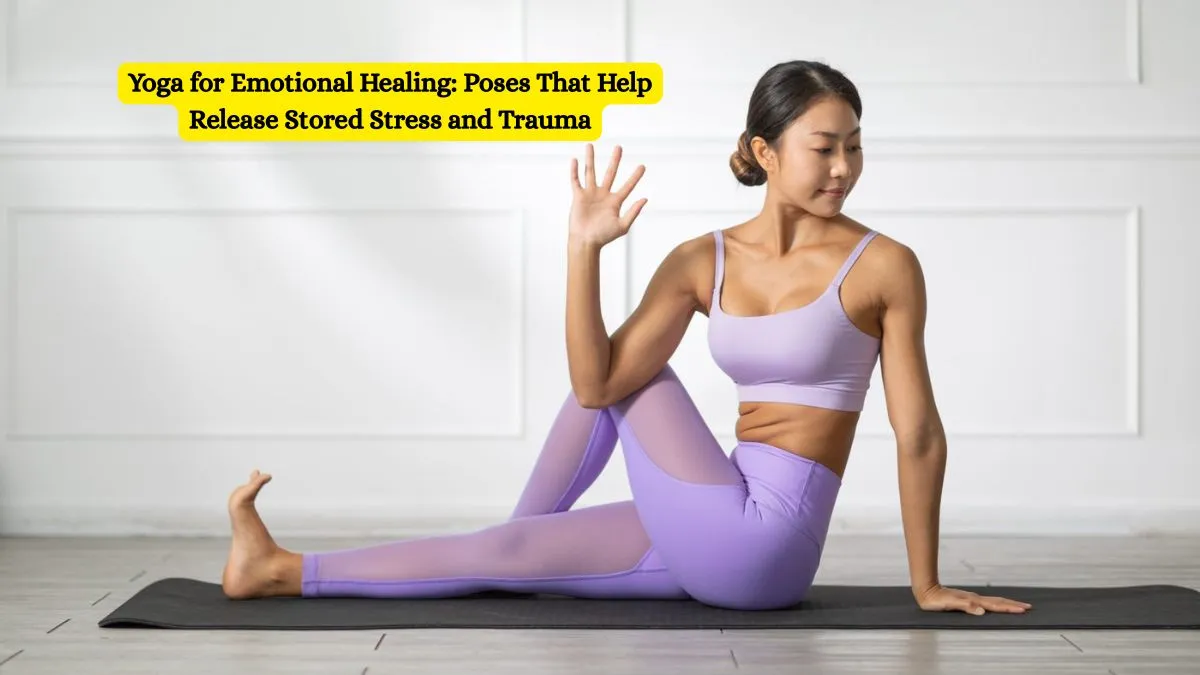
Yoga for Emotional Healing: Poses That Help Release Stored Stress and Trauma

Chair Yoga Exercises That Improve Mobility and Reduce Joint Stiffness

How Consistent Yoga Practice Improves Digestion, Breathing, and Circulation
