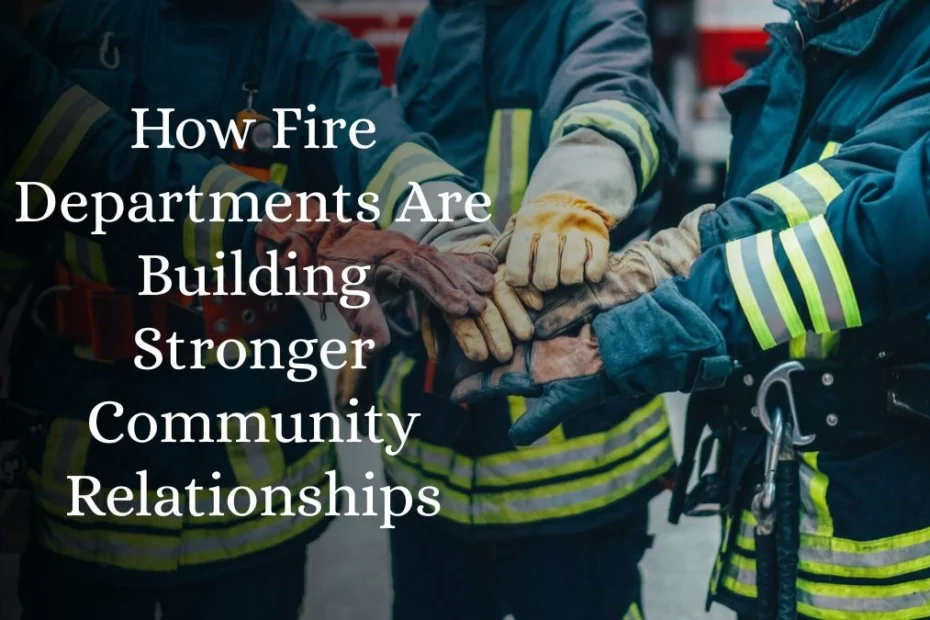
In 2025, fire departments nationwide are not only emergency responders but also vital partners in fostering strong community relationships.
With rising emergencies like fire incidents, medical calls, and natural disasters, fire services have shifted toward proactive community engagement, education, and collaboration to build public trust, enhance safety awareness, and create resilient neighbourhoods.
This comprehensive article explores the latest methods fire departments are using to strengthen community ties. We include real-world examples, programs, strategic initiatives, community involvement data, and emerging trends.
By understanding how these departments connect with civilians, you can appreciate the broader role firefighters play beyond emergency response.
Why Building Community Relationships Matters
Fire departments traditionally respond to emergencies, but community trust and engagement have become equally vital for public safety. Strategic communication and partnership help in:
- Enhancing fire prevention education
- Improving public awareness of safety practices
- Increasing volunteer participation and support
- Boosting trust during emergencies
- Reducing fire-related incidents and losses through education and planning
Engaged communities are better prepared, more aware, and more likely to collaborate during crises.
Key Strategies Fire Departments Are Using in 2025
Community Outreach and Education Programs
Fire departments are expanding outreach beyond responding to emergencies. Today, they focus on preventive education and awareness:
- Hosting community workshops to teach fire safety
- School programs tailored to different age groups
- Online safety resources and social media engagement
These educational efforts aim to make fire safety knowledge more accessible to residents of all ages and backgrounds.
Fire Station Open Houses and Tours
Many fire departments invite the public to their stations to increase familiarity and trust:
- Free guided fire station tours for students and civic groups
- Interaction with firefighters and demonstrations of equipment
- Annual “open house” events to interact personally with personnel
These initiatives help demystify emergency services and allow the community to build personal connections with fire personnel.
Community Outreach Specialists
Some departments now employ community outreach specialists whose dedicated role is to implement engagement programs designed to strengthen public partnerships. These specialists coordinate:
- Public safety campaigns
- Community events
- Educational sessions tailored to local needs
- Partnerships with local organisations
Collaborative Partnerships
Community collaboration extends beyond direct interaction with residents. Fire departments are partnering with:
- Schools and educational institutions
- Nonprofit organisations
- Local businesses
- volunteer groups
These collaborations broaden the reach of fire safety programs and build deeper community roots.
Use of Technology and Social Media
Modern departments are leveraging technology to boost engagement:
- Social media campaigns with fire safety tips
- Emergency alerts via digital platforms
- Informational videos, newsletters, and blogs
Using tech helps departments communicate quickly and effectively with larger audiences.
Real-World Examples of Community Engagement in 2025
Across the US and globally, fire departments are implementing innovative outreach strategies.
Detroit Fire Department (Michigan)
The Detroit Fire Department operates a Community Relations Division that educates over 35,000 citizens annually in fire safety and installs more than 2,000 smoke and carbon monoxide detectors. Their programs include hands-only CPR training for middle school students to increase life-saving skills in the community.
Boise Fire Department (Idaho)
Boise Fire hosts regular open houses, school visits, and events like Community Night Out to bring personnel and residents together. These events include tours of fire stations and interactive demonstrations to build trust and safety awareness.
East Lansing Fire Department (Michigan)
This department received awards for innovative registered apprenticeship programs that upskill firefighters and strengthen ties with the local college and community for workforce development.
Other departments, such as those in Oakland and Lower Merion, prioritize community responsiveness and volunteer involvement as part of their annual engagement strategies.
Measurable Benefits of Community Engagement
Here’s a summary of how community-focused efforts benefit fire departments and the people they serve:
| Benefit | Example/Impact |
|---|---|
| Increased public trust | Enhanced participation in safety programs |
| Better fire prevention awareness | Reduced risk of household and commercial fires |
| Educational reach | Thousands of residents trained in fire safety |
| Enhanced volunteer support | Growth in community volunteer programmes |
| Improved emergency preparedness | Faster and coordinated responses |
| Positive public perception | More community event participation |
Challenges Departments Face
While community engagement has many benefits, departments also face challenges:
- Resource limitations: Small departments may struggle with funding and staffing for outreach programs
- Language and cultural barriers: Diverse communities require tailored communication strategies
- Technology gaps: Some areas have limited access to digital engagement tools
- Public misperception: Misunderstandings about fire services can still erode public trust
Addressing these challenges is a continuous process requiring innovation and community feedback.
Future Trends in Community Engagement
Looking ahead, fire departments are expected to adopt more advanced strategies, such as:
- Data-driven engagement tools that identify high-risk areas and tailor safety messages accordingly
- Mobile engagement platforms to deliver real-time fire safety tips
- Community advisory boards that guide department programs based on local needs
- Integrated emergency preparedness plans involving multiple agencies and stakeholders
These trends indicate a growing focus on proactive engagement rather than reactive response.
Fire departments in 2025 are redefining their roles by creating stronger community relationships through education, outreach, collaboration, and technology.
These efforts not only enhance public safety but also deepen trust, strengthen resilience, and build proactive networks that protect communities long before emergencies arise.
By valuing community engagement, fire departments foster environments where safety knowledge thrives, partnerships flourish, and residents feel empowered to participate in collective safety efforts. As these initiatives continue to expand, the future of community-centered fire services looks promising and impactful.
FAQs
1. Why is community engagement important for fire departments?
Community engagement transforms residents into informed partners in safety, reducing fire incidents, increasing trust, and improving emergency preparedness.
2. How do fire departments educate the public about fire safety?
They use workshops, school programs, social media campaigns, open houses, and specialised community events to share vital fire safety information.
3. What challenges do fire departments face in building community relationships?
Challenges include limited resources, cultural barriers, technology gaps, and public misperceptions that require ongoing strategic efforts.
How Firefighters Balance Family Life And Emergency Service
The Importance of Fire Prevention Education In Saving Lives
Firefighter Stories That Inspire Courage And Commitment
A Day in the Life of a Professional Firefighter
What It Takes To Build A Long And Successful Firefighting Career