Firefighters do much more than respond to emergencies—they play a vital role in educating the public on fire hazards, saving lives, and preventing devastating losses.
Modern fire departments have expanded their focus from traditional firefighting to community risk reduction (CRR) and fire safety education, working to empower individuals and communities with the knowledge and tools needed to prevent fires before they start.
Their public education efforts are backed by data showing that educated communities experience significantly fewer fire-related incidents.
This in-depth article explores the latest strategies firefighters use to educate different audiences, real-world statistics, programs and tools, and the measurable impact of these efforts in reducing fire hazards. We also include a detailed table summarizing key components of firefighter public education.
Why Firefighter Education Matters
Understanding fire hazards and risk factors is critical because:
- The United States responds to millions of fire incidents each year. In 2024, an estimated 1.38 million fires occurred, leading to nearly 4,000 deaths and billions in property loss.
- Residential fires remain the leading cause of civilian fire deaths, with 72% of all fire deaths occurring in homes.
- Communities with formal fire education programs can see up to 50% fewer fire-related incidents compared to those without such engagement.
This data highlights why education and awareness are core components of modern firefighting and public safety strategies.
How Firefighters Educate the Public: Key Methods
Fire departments employ a wide range of educational strategies tailored to different audiences. These include:
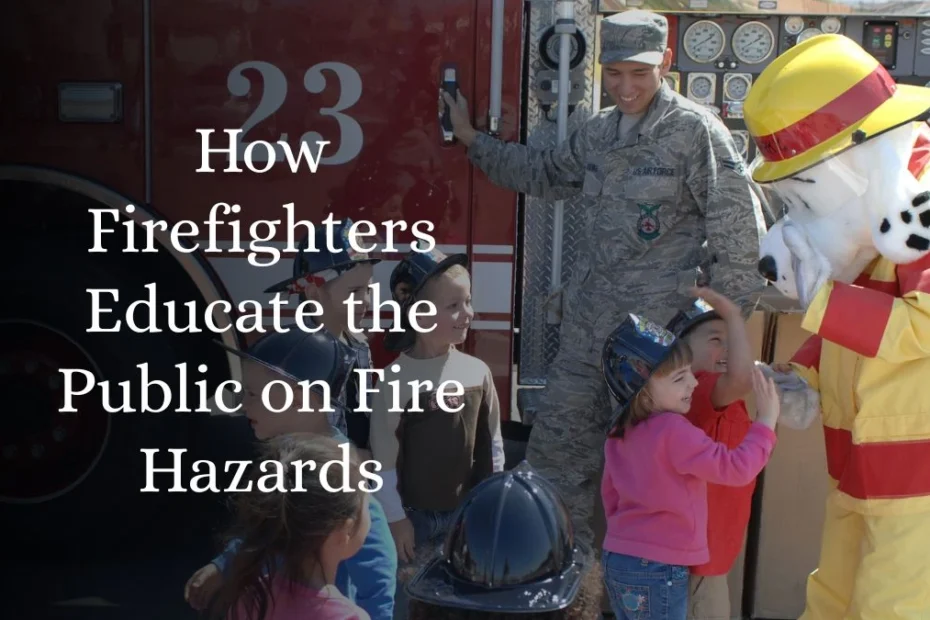
1. School Education Programs
Firefighters work directly with schools to:
- Teach children fire safety basics such as “Stop, Drop, and Roll”.
- Explain how to recognize fire hazards and what to do in case of an emergency.
- Introduce safe evacuation drills and escape planning.
These interactions are designed to instill lifelong fire safety habits from a young age.
2. Community Workshops and Events
Departments host free community events that cover:
- Smoke alarm installation and maintenance.
- How to use fire extinguishers safely.
- Home evacuation planning.
- Fire hazards related to cooking, heating systems, and electrical devices.
These workshops empower homeowners and renters with practical knowledge to reduce risks.
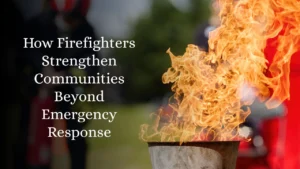
3. Public Demonstrations and Mock Drills
Interactive drills and demonstrations help participants:
- Practice real fire safety responses.
- Learn emergency evacuation routes.
- Understand how to behave during an actual fire emergency.
In India, fire departments have conducted mock drills for youth and students focused on recognizing fire hazards and evacuation planning.
4. Home Safety Visits and Inspections
Firefighters conduct home safety visits to check for:
- Proper smoke alarm placement and function.
- Fire hazards like overloaded outlets or blocked exits.
- Suggestions for fire-safe home modifications.
These inspections offer personalized, actionable recommendations.
5. Digital and Social Media Outreach
Digital tools help reach wider audiences using:
- Fire safety tips on social media.
- Educational videos and infographics.
- Online resources and apps with readiness checklists.
Fire departments use these platforms to disseminate fire hazard information more efficiently.
6. Customized Programs for At-Risk Groups
Fire educators often tailor programs for specific populations, including:
- Older adults, who statistically face higher fire risks.
- Children and youth, who may not understand dangers fully.
- New homeowners or residents unfamiliar with fire safety norms.
U.S. fire safety education resources include modules specifically designed to teach preschoolers and seniors.
Firefighter Public Education Components
| Program/Method | Target Audience | Primary Focus | Expected Outcome |
|---|---|---|---|
| School Fire Safety Visits | Children & Students | Fire basics, evacuation drills | Early fire safety awareness |
| Community Workshops | General Public | Smoke alarms, hazard identification | Safer homes and lifestyles |
| Mock Drills | Families, Students | Hands-on fire response practice | Effective emergency readiness |
| Home Safety Inspections | Homeowners & Renters | Identify household hazards | Reduced fire risk in homes |
| Digital Outreach | Online Public | Fire safety info, tips, videos | Wider reach and continued engagement |
| At-Risk Group Programs | Seniors / Vulnerable | Specialized safety measures | Lower fire vulnerability |
Firefighters’ Educational Roles and Training
To effectively educate the public, many departments invest in professional training for firefighters in teaching and communication. Programs like the Fire Safety Research Institute’s online course help firefighters:
- Explain complex fire science in simple terms.
- Address misconceptions about fire behavior.
- Use evidence-based safety messages to drive life-saving actions.
Fire departments follow established standards such as NFPA 1035, which outlines qualifications and competencies for fire educators.
Impact of Firefighter Education on Community Safety
Extensive public education has measurable benefits:
- Communities with structured fire safety programs show significant drops in fire incidents.
- Early and tailored education helps reduce civilian fire deaths and injuries.
- Fire departments are increasingly integrating education with broader community outreach and risk-reduction frameworks.
Challenges and Evolving Practices
While firefighter education saves lives, departments face challenges:
- Resources and funding limitations can restrict outreach scope.
- Reaching vulnerable populations requires tailored, often resource-intensive methods.
- Keeping pace with new fire hazards, such as lithium-ion battery fires, necessitates continuous training and updated messaging.
Despite these challenges, use of technology, partnerships with schools and community groups, and volunteer programs like Fire Corps help expand reach and impact.
Firefighters do far more than extinguish flames—they are educators, community partners, and risk reduction advocates.
Their public education programs, spanning school visits, community workshops, home safety checks, digital outreach, and targeted sessions for vulnerable populations, play a critical role in preventing fires and saving lives.
With evolving techniques and growing partnerships, firefighters continue to strengthen community resilience and equip individuals with the knowledge and tools to protect themselves and their loved ones.
FAQs
1. What is the main goal of firefighters’ public education programs?
The main goal is to reduce fire incidents, injuries, and deaths by teaching people how to identify hazards, prepare escape plans, and use fire safety tools effectively.
2. How do fire departments tailor education for different age groups?
Firefighters use age-appropriate methods—interactive school presentations for children, targeted sessions for seniors, and practical workshops for adults—to ensure messages resonate with each group.
3. Are firefighter education programs effective in reducing fire risks?
Yes. Formal fire safety education has been linked to significantly fewer fire incidents and increased public readiness for emergencies.
Fire Department Funding: Why It Matters for Public Safety
The Growing Role of Firefighters in Disaster Response
How Fire Departments Are Building Stronger Community Relationships
The Importance of Fire Prevention Education In Saving Lives
How Iowa Legislation Is Improving Firefighter Working Conditions