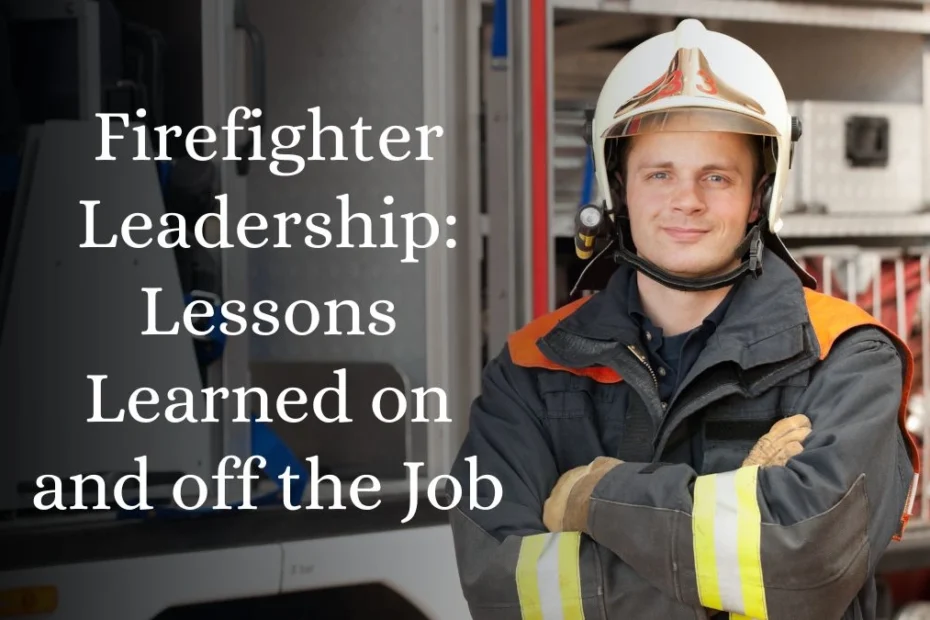
Firefighter leadership is a unique, high-stakes form of leadership that demands courage, decisiveness, emotional intelligence, and resilience.
Whether leading a crew into a burning structure or guiding a team through career development and community engagement, fire service leaders must constantly evolve.
This article explores key lessons learned on and off the job, backed by recent insights, training tips, leadership principles, psychological components, and practical strategies used in modern fire departments.
Our in-depth examination will cover both operational leadership on the fireground and professional leadership off duty, providing a true 360° view of what it takes to be an effective leader in the fire service today.
What Is Firefighter Leadership?
Firefighter leadership refers to the ability to influence, guide, and support a team in both emergency and non-emergency settings. Good leadership ensures that firefighters are safe, missions are successful, and teams remain cohesive and motivated—whether responding to a blaze or preparing for the next call.
Why Leadership Matters in the Fire Service
Leadership in firefighting isn’t just about instructing; it defines department culture, readiness, morale, and community trust. From daily station routines to high-pressure emergency incidents, strong leaders help foster:
- Safety and efficiency
- Team cohesion and morale
- Community confidence
- Continuous learning
- Resilience and wellbeing
Key Leadership Lessons On the Job
1. Staying Calm and Decisive Under Pressure
Leaders must make life-or-death decisions in seconds. Calmness under stress improves crew performance and maintains safety. Specific communication and decisive action during a multi-alarm fire ensure clarity and cohesion when seconds matter most.
2. Learn from Experience and Education
While classroom learning expands strategic thinking, real-world experience informs judgment. The best leaders balance both, blending academic training with field-tested instincts.
3. Lead With Humility and Listening
New leaders often think they need all the answers; real leadership lies in listening to team insights, feedback, and even contrary viewpoints to make more informed decisions.
4. Set the Tone Through Attitude
A leader’s demeanor sets the tone for the whole team. Positive energy, confidence, and professionalism inspire trust and effectiveness.
Major Leadership Principles Off the Job
Team Building and Mentorship
Leaders teach others how to lead. Mentorship fosters future leaders, enhances skills, and builds trust across ranks.
Emotional Intelligence and Counseling
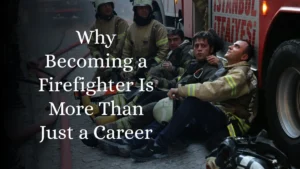
Understanding emotions, managing stress, and resolving conflict are core to leadership. Counseling helps leaders develop empathy, communication skills, and conflict resolution strategies that benefit the entire department.
Lifelong Learning and Adaptation
Modern leadership requires continuous skill refinement and adaptability. Departments promoting a learning culture—through workshops, seminars, and shared knowledge —stay ahead of evolving challenges.
Strategic Planning and Administration
From budgeting to training plans and community outreach, off-duty leadership involves many administrative skills civilians might not expect but are essential.
Leadership Styles in the Fire Service
Different leadership styles serve different needs:
| Leadership Style | Characteristics | Best Used When |
|---|---|---|
| Autocratic | Quick decision-making, clear direction | High-risk emergency scenes |
| Democratic | Inclusion, collaboration | Training, planning, long-term decisions |
| Transformational | Inspires growth, builds trust | Mentorship and team development |
Each style plays a role in maximizing effectiveness and team morale when applied appropriately.
Firefighter Leadership Tools and Approaches
| Category | Key Tools / Methods | Impact |
|---|---|---|
| Training | Leadership courses, simulations | Improved decision-making |
| Communication | Briefings, debriefs, counseling | Fewer misunderstandings, team clarity |
| Planning | Incident Action Plans, strategic budgets | Enhanced preparedness |
| Support Systems | Wellness programs, mentorship | Increased team resilience |
| Innovation | AI, new tech adoption | Modern response solutions |
Leadership Challenges and How to Overcome Them
High-Stress Environments
Solution: Maintain calm, apply structured frameworks, and train regularly to build muscle memory for leadership decisions.
Integrating New Members
Solution: Pair experienced leaders with new firefighters to embed expectations and culture.
Balancing Authority and Approachability
Solution: Use transformational leadership to inspire while maintaining operational command.
Real-World Leadership Example: Decision Making Under Extreme Conditions
Famous research by fire service psychologist Dr. Sabrina Cohen-Hatton shows that 80% of firefighter decisions are instinctive, and structured goal-based training increased situational awareness dramatically. Such training prepares leaders to make better real-time decisions when the stakes are highest.
Building Leadership Beyond the Fireground
Leadership isn’t confined to emergency scenes. Effective leaders support:
- Mental health initiatives
- Community education programs
- Interagency collaborations
- Recruitment and retention efforts
In the fire service, leadership is both an art and science. It requires strength under fire, emotional intelligence, continuous learning, and adaptability to changing landscapes. Whether leading a crew into danger or guiding a fellow firefighter through personal growth, great leaders inspire trust, foster teamwork, and drive success.
Modern firefighter leadership combines traditional values with new strategies—ensuring departments are prepared for every challenge. Developing these skills both on and off the job is critical to maintaining safe, resilient, and effective fire services around the world.
FAQs
What makes firefighter leadership unique compared to other professions?
Firefighter leadership combines high-stakes decision-making with deep team bonds and physical risk, requiring both technical skill and emotional resilience.
How can firefighters improve their leadership skills?
Through ongoing training, mentorship, counseling, communication workshops, and real-world experience.
Why is emotional intelligence important in the fire service?
It enhances communication, conflict resolution, decision-making under stress, and team cohesion.
How Firefighters Balance Family Life And Emergency Service

The Importance of Fire Prevention Education In Saving Lives
Firefighter Stories That Inspire Courage And Commitment
A Day in the Life of a Professional Firefighter
What It Takes To Build A Long And Successful Firefighting Career