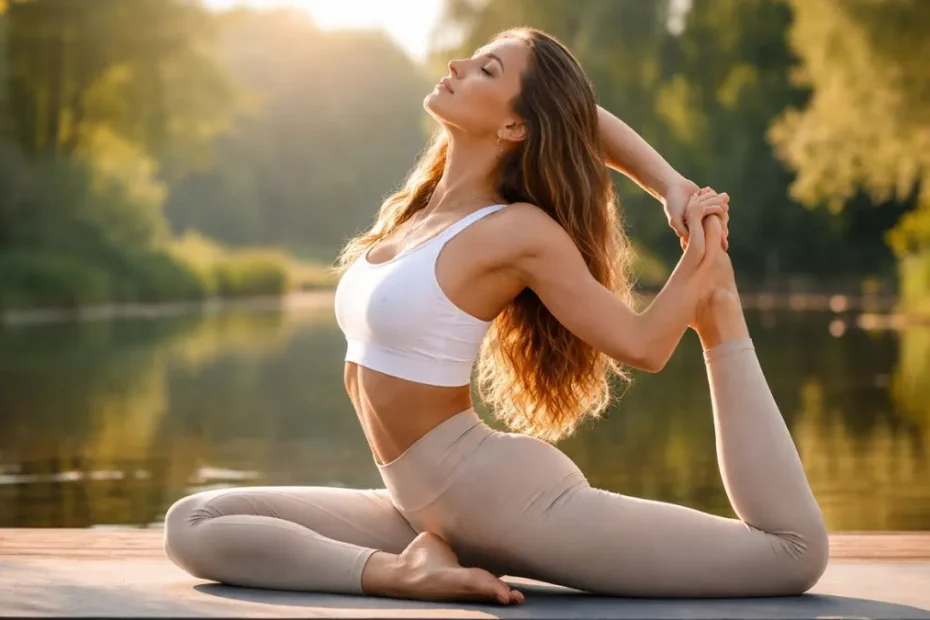
Discover how a daily yoga routine can transform your physical health and enhance your mental clarity without the need for costly equipment or strenuous workouts. This accessible practice offers a unique blend of benefits that can fit seamlessly into your lifestyle.
With just a small amount of time each day, you can build flexibility, sharpen focus, and develop deep inner strength that supports you in everyday life.
Modern lifestyles often involve long hours of sitting, constant screen use, and high stress levels. This leads to stiff muscles, poor posture, lack of concentration, and emotional fatigue.

A balanced yoga routine helps reverse these effects by gently stretching the body, calming the nervous system, and strengthening both body and mind.
This daily yoga routine is suitable for beginners as well as experienced practitioners and can be completed in about 30 minutes.
Why a Daily Yoga Routine Matters?
Practicing yoga daily creates consistency, which is the key to long-term benefits. Even gentle poses, when repeated regularly, can improve joint mobility, muscle tone, and mental stability.
A daily yoga routine helps you:

- Increase flexibility without strain
- Improve focus and mental clarity
- Build physical and emotional resilience
- Reduce stress and anxiety naturally
- Develop discipline and inner confidence
Yoga works best when done mindfully, focusing on breath and body awareness rather than perfection.
Step-by-Step Daily Yoga Routine
1. Mountain Pose (Tadasana)
Begin your routine with Mountain Pose to center yourself. Stand tall with feet together, shoulders relaxed, and arms by your sides. Focus on slow, deep breathing.
This pose improves posture, balance, and body awareness. It also helps calm the mind and prepares you for the rest of the practice.
2. Neck and Shoulder Stretches
Gentle neck rolls and shoulder movements help release tension caused by stress and screen use. These stretches improve flexibility in the upper body and reduce stiffness.

They also promote mental relaxation by easing tight muscles connected to stress.
3. Cat-Cow Pose (Marjaryasana–Bitilasana)
This flowing movement warms up the spine and improves flexibility in the back and neck. Moving with your breath helps connect body and mind.
Cat-Cow reduces stiffness, improves circulation, and increases focus by encouraging mindful movement.
4. Downward Facing Dog (Adho Mukha Svanasana)
Downward Facing Dog stretches the entire body, especially the hamstrings, calves, shoulders, and spine. It also strengthens the arms and legs.
This pose improves blood flow to the brain, helping boost focus and reduce mental fatigue.
5. Warrior II (Virabhadrasana II)
Warrior II builds strength in the legs, hips, and arms while improving balance and endurance. Holding this pose develops both physical and mental strength.
It teaches you to stay steady and focused even when the body feels challenged, building inner resilience.
6. Tree Pose (Vrikshasana)
Balance poses are excellent for improving concentration. Tree Pose strengthens the legs and core while training the mind to stay calm.
If you lose balance, simply reset. This practice builds patience, confidence, and mental control.
7. Seated Forward Bend (Paschimottanasana)
This pose gently stretches the spine, hips, and hamstrings while calming the nervous system. It helps release physical and emotional tension.
Forward bends are known to reduce stress, improve digestion, and encourage introspection.
8. Cobra Pose (Bhujangasana)
Cobra Pose strengthens the lower back and opens the chest. It counteracts poor posture caused by long sitting hours.
This pose also energizes the body and improves self-confidence by opening the heart and lungs.
9. Child’s Pose (Balasana)
Child’s Pose allows the body to rest and recover. It gently stretches the back and hips while calming the mind.
This pose is perfect for releasing stress, anxiety, and mental overload during your daily routine.
10. Corpse Pose (Savasana)
End your routine with Savasana. Lie down comfortably and allow your breath to slow naturally.
This pose helps the body absorb all the benefits of the practice. It reduces stress hormones, improves focus, and brings deep relaxation.
How This Routine Builds Inner Strength?
Inner strength is not just physical power. It includes emotional stability, patience, and self-awareness. This daily yoga routine builds inner strength by:
- Encouraging discipline through consistency
- Teaching calmness during challenges
- Improving breath control and focus
- Helping you stay present and mindful
Over time, these qualities extend beyond the mat into daily life.
A daily yoga routine is a powerful tool for improving flexibility, focus, and inner strength in a natural and balanced way. By practicing these poses regularly, you can release physical stiffness, sharpen mental clarity, and build emotional resilience.
Yoga does not demand perfection—only presence and consistency. With daily practice, you will not only feel stronger and more flexible, but also calmer, more focused, and confident in handling life’s challenges.
FAQs
u003cstrongu003e1. How long should a daily yoga routine be?u003c/strongu003e
A daily routine of 20–30 minutes is enough to see improvements in flexibility, focus, and overall strength.
u003cstrongu003e2. Is it okay to do yoga every day?u003c/strongu003e
Yes, gentle yoga can be practiced daily as long as you listen to your body and avoid forcing movements.
u003cstrongu003e3. When is the best time to do daily yoga?u003c/strongu003e
Morning is ideal for energy and focus, but evening yoga is also beneficial for relaxation and stress relief.
7 Life-Changing Yoga Poses For Mental Clarity
10 Yoga Secrets That Help You Sleep Like A Baby

6 Simple Yoga Poses For A Flatter Belly—No Diet Required
8 Yoga Moves For Instant Stress Relief—Try Them Today!
10 Mind-Blowing Yoga Tips You Wish You Knew Sooner