Firefighting is one of the most dangerous professions in the world. Every emergency call can expose firefighters to extreme heat, toxic smoke, structural collapse, and limited visibility.
What allows them to walk into situations others are running from is not just courage or training—it is the specialized protective equipment designed to reduce life-threatening risks.
Behind every helmet, jacket, glove, and breathing mask is decades of research, testing, and real-world lessons learned. This article explores how modern firefighter gear works together as a life-saving system, protecting those who protect us.
The Purpose of Firefighter Protective Equipment
Firefighter equipment is designed with one clear goal: to keep firefighters alive while allowing them to work effectively in hostile environments. Unlike everyday clothing, firefighter gear must:
- Resist extreme temperatures
- Block toxic gases and smoke
- Protect against cuts, burns, and impacts
- Allow movement, communication, and visibility
Each piece of gear serves a specific role, but the real strength lies in how the equipment functions as an integrated system.
Turnout Gear: The First Line of Defense
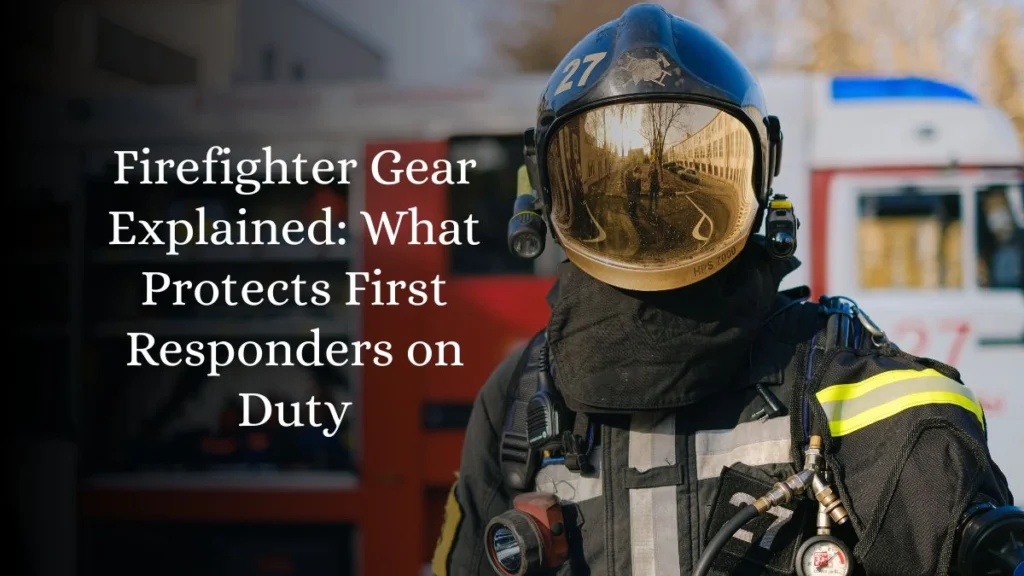
Turnout gear, also known as bunker gear, is the most recognizable part of a firefighter’s equipment. It includes the coat, pants, hood, gloves, and boots worn during structural fires.
How Turnout Gear Reduces Risk
Turnout gear is made from multiple layers, each with a specific purpose:
- Outer shell resists flames, abrasion, and tearing
- Moisture barrier blocks water, chemicals, and bloodborne pathogens
- Thermal liner insulates against extreme heat
This layered design helps prevent burn injuries, slows heat transfer, and reduces the risk of steam burns when water is applied to hot surfaces.
Modern turnout gear also includes reflective striping, which improves visibility in low-light or smoke-filled conditions, reducing the risk of collisions or disorientation.
Firefighter Helmets: Protecting the Head and Senses
A firefighter’s helmet does far more than shield the head from falling debris. It is a critical safety tool designed to protect against multiple hazards at once.
Key Safety Features of Helmets
- Impact-resistant shell protects against falling objects
- Heat-resistant materials prevent melting or warping
- Face shields or goggles guard eyes from heat, sparks, and debris
- Ear and neck protection reduces burn exposure
Helmets also serve as mounting platforms for lights, cameras, and communication devices, helping firefighters see and coordinate in dangerous environments.

Self-Contained Breathing Apparatus (SCBA): Safe Air in Deadly Environments
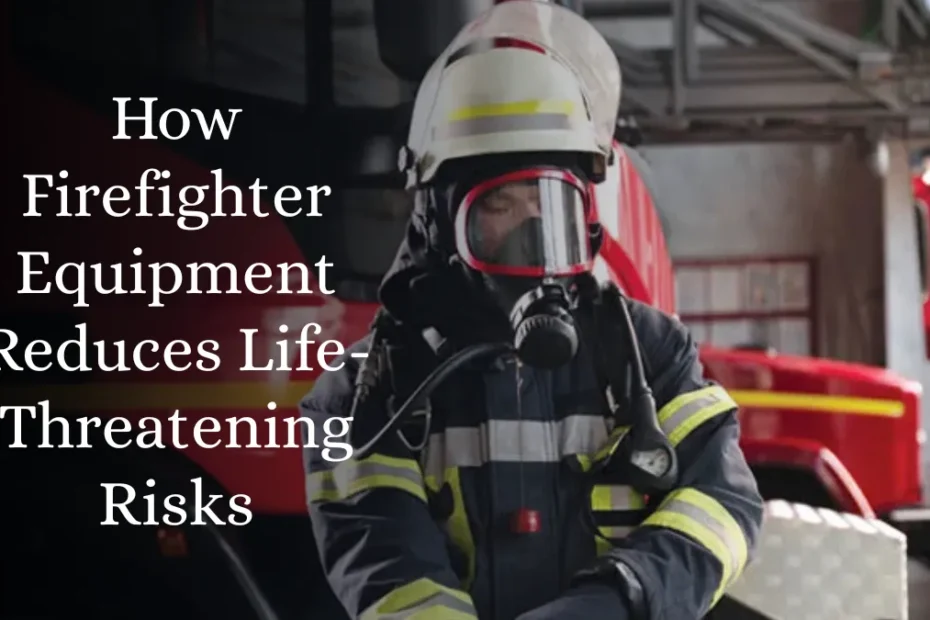
Smoke inhalation is one of the leading causes of firefighter injury and death. Fires release toxic gases such as carbon monoxide, hydrogen cyanide, and other lethal chemicals. The Self-Contained Breathing Apparatus (SCBA) protects firefighters from these invisible threats.
Why SCBA Is Life-Saving
SCBA provides:
- Clean, breathable air from a compressed tank
- A full-face mask that seals out smoke and toxins
- Pressure systems that prevent contaminated air from leaking in
Without SCBA, firefighters would have only minutes—sometimes seconds—before losing consciousness in a smoke-filled structure. With SCBA, they can operate safely while monitoring air supply and exit before conditions become fatal.
Fire-Resistant Gloves and Boots: Protecting Hands and Feet
Hands and feet are constantly exposed to hazards during firefighting, including sharp debris, hot surfaces, unstable flooring, and hazardous materials.
How Gloves Reduce Risk
Firefighter gloves are designed to:
- Resist high heat and flames
- Protect against cuts and punctures
- Maintain dexterity for tool use
Advanced glove designs balance protection with flexibility, allowing firefighters to perform delicate tasks without removing their gloves.
Why Firefighter Boots Matter
Firefighter boots protect against:
- Extreme heat and burning embers
- Slipping on wet or uneven surfaces
- Crushing injuries from falling debris
Steel or composite toe caps, puncture-resistant soles, and heat-resistant materials help prevent serious foot injuries that could otherwise end a career—or a life.
Protective Hoods: Shielding Vulnerable Areas
The protective hood covers the firefighter’s neck, ears, and jawline—areas especially vulnerable to burns. These regions are often exposed gaps between helmet, coat, and mask.
Hoods are made from fire-resistant materials that provide thermal insulation without restricting movement or breathing. Though small, this piece of equipment plays a critical role in reducing facial and neck burn injuries.
Thermal Imaging Cameras: Seeing Through Smoke
Modern fire departments increasingly rely on thermal imaging cameras (TICs) to improve safety and efficiency during fire operations.
How Thermal Imaging Saves Lives
Thermal imaging allows firefighters to:
- Locate victims in smoke-filled rooms
- Identify hidden fire hotspots
- Detect structural weaknesses caused by heat
- Navigate safely in zero-visibility conditions
By reducing guesswork, thermal imaging lowers the risk of firefighters becoming trapped, disoriented, or injured during interior operations.
Communication Equipment: Coordination in Chaos
Clear communication is essential during emergencies. Firefighters use radios integrated into their gear to stay connected with team members and command officers.
These systems allow for:
- Rapid updates on fire conditions
- Emergency distress signals
- Coordinated movement and evacuation
Effective communication reduces the risk of missteps, isolation, and delayed rescue when conditions deteriorate rapidly.
Standards, Testing, and Continuous Improvement
Firefighter equipment is not static. It is constantly evaluated and improved based on real-world incidents, scientific research, and safety standards.
Manufacturers test gear under extreme conditions to ensure it meets rigorous performance requirements. Fire departments also conduct regular inspections and maintenance to ensure equipment functions properly when lives are on the line.
This continuous improvement process ensures that firefighter gear evolves alongside emerging risks, building materials, and fire behavior.
Training: Making Equipment Effective
Even the best equipment is only effective when used correctly. Firefighters undergo extensive training to learn:
- Proper donning and doffing techniques
- Equipment limitations and warning signs
- Emergency procedures when gear fails
This training ensures firefighters trust their gear while remaining alert to changing conditions, reducing complacency and improving survival outcomes.
Conclusion: More Than Gear, It’s a Lifeline
Behind every firefighter’s uniform is a complex system designed to reduce life-threatening risks at every step of the job.
From turnout gear and SCBA to helmets, gloves, and thermal imaging, each piece plays a critical role in survival.
Firefighter equipment does not eliminate danger—but it transforms deadly environments into places where trained professionals can operate with confidence.
Combined with skill, teamwork, and discipline, modern gear stands as one of the strongest defenses between firefighters and the hazards they face daily.
Protecting firefighters means continuously investing in better equipment, better training, and a deeper understanding of how gear saves lives—because behind the gear is a human life worth protecting.
FAQs
How does firefighter gear protect against extreme heat?
Firefighter gear uses multiple protective layers that slow heat transfer, resist flames, and insulate the body from dangerous temperatures.
Why is SCBA essential for firefighters?
SCBA provides clean air in smoke-filled environments, protecting firefighters from toxic gases that can cause rapid unconsciousness or death.
How often is firefighter equipment updated or replaced?
Equipment is regularly inspected, maintained, and upgraded based on safety standards, wear, and advances in firefighting technology.
Firefighter Gear Explained: What Protects First Responders on Duty
How Fire Departments Prepare Firefighters For High-Risk Emergencies
Firefighter Fitness Standards- Why Physical Readiness Matters
The Importance Of Mental Health Training For Firefighters
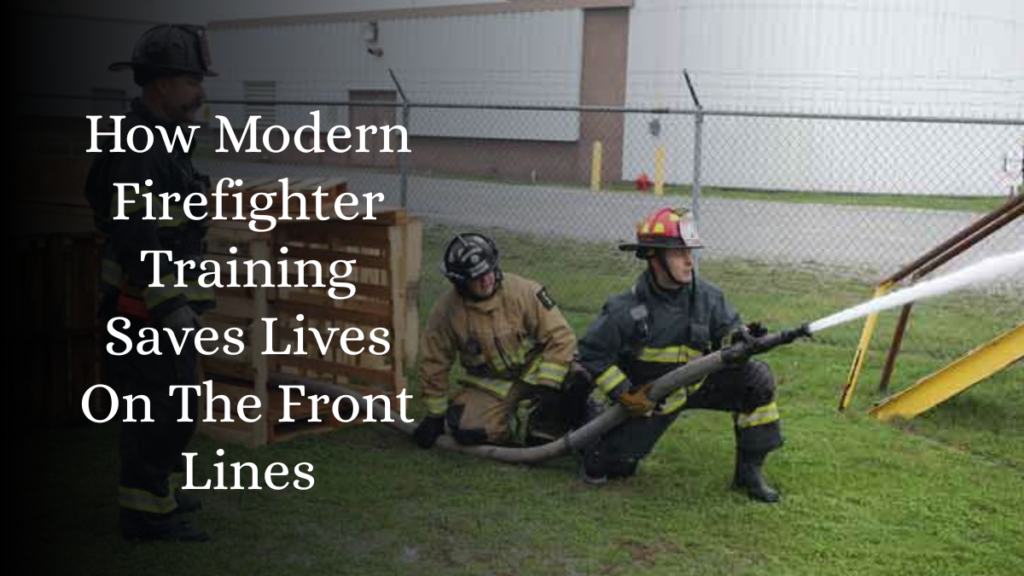
How Modern Firefighter Training Saves Lives On The Front Lines