Fire is one of the most destructive and deadly hazards faced by communities around the world. While modern firefighting equipment and emergency response systems save many lives, fire prevention education remains the most powerful tool in reducing fire-related deaths, injuries, and property loss.
Fire prevention education is not just about learning how fires start; it is about teaching people how to identify risks, act quickly, and make safer choices in everyday life.
From children in schools to seniors living independently, education empowers individuals and communities to prevent fires before they happen and respond effectively when they do.
Understanding Fire Risks in Everyday Life
Many people believe fires are rare events caused by extreme accidents. In reality, most fires start in very common situations:
- Cooking left unattended
- Faulty or overloaded electrical wiring
- Improper use of heaters or candles
- Smoking materials not extinguished properly
- Flammable items stored incorrectly
Fire prevention education helps people recognize these everyday risks. When individuals understand how quickly a small mistake can turn into a deadly fire, they are more likely to adopt safer habits. Simple actions—like turning off the stove, unplugging unused appliances, or keeping flammable materials away from heat sources—can save lives.
How Fire Prevention Education Saves Lives
1. Promotes Early Detection and Quick Action
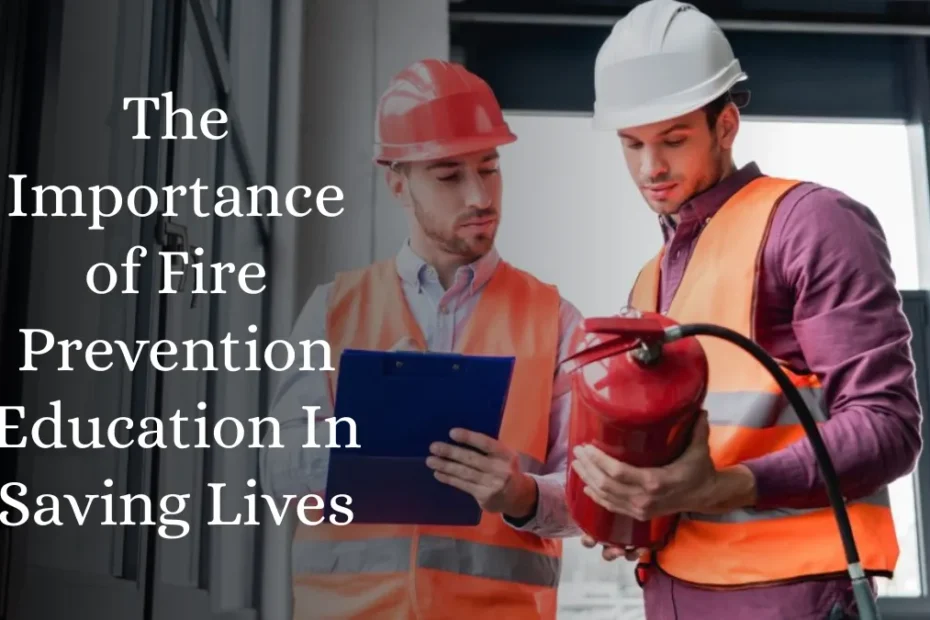
Education teaches the importance of smoke alarms, fire extinguishers, and escape plans. People who are educated about fire safety are more likely to:
- Install smoke alarms on every level of their home
- Test alarms regularly
- Replace batteries on time
- Know how to respond when an alarm sounds
Early detection is critical. A working smoke alarm can double the chances of survival in a house fire. Fire prevention education ensures people do not ignore alarms or underestimate their importance.
2. Teaches Safe Evacuation Practices
Panic is one of the biggest dangers during a fire. Education prepares individuals to act calmly and decisively. Key lessons include:
- Knowing at least two exits from every room
- Practicing family fire drills
- Staying low to avoid smoke inhalation
- Never using elevators during fires
- Understanding when to evacuate and when to call for help
When people practice these steps ahead of time, their response becomes automatic, reducing confusion and saving precious seconds.
3. Reduces Fire-Related Injuries
Burns, smoke inhalation, and falls during evacuation are common fire-related injuries. Fire prevention education reduces these risks by teaching:
- Proper use of fire extinguishers
- Safe cooking practices
- Correct handling of electrical devices
- How to stop, drop, and roll if clothing catches fire
By understanding how fires behave and how injuries occur, people can protect themselves and others more effectively.
The Role of Fire Prevention Education for Children
Children are especially vulnerable during fires, but they are also powerful learners and messengers. Fire prevention education in schools teaches children:
- What to do if they see fire or smoke
- How to call emergency services correctly
- The dangers of playing with matches or lighters
- The importance of listening to smoke alarms
Educated children often bring these lessons home, influencing the behavior of parents and siblings. Over time, this creates a culture of safety that extends beyond the classroom.
Protecting Seniors Through Fire Safety Education
Older adults face higher risks during fires due to limited mobility, medical conditions, or living alone. Fire prevention education tailored for seniors focuses on:
- Safe use of heating equipment
- Avoiding overloaded electrical outlets
- Keeping exits clear and accessible
- Creating personalized escape plans
Education also encourages seniors to seek assistance with installing smoke alarms or practicing evacuation plans, reducing isolation and improving safety outcomes.
Community-Based Fire Prevention Programs
Fire prevention education is most effective when delivered at the community level. Community programs may include:
- Public workshops and demonstrations
- Home safety inspections
- School outreach programs
- Safety campaigns during high-risk seasons
These programs help reach diverse populations, including those who may not have access to formal education or safety resources. When communities work together, fire safety becomes a shared responsibility.
The Economic Benefits of Fire Prevention Education
Beyond saving lives, fire prevention education significantly reduces economic losses. Fires cause billions in damage each year, including:
- Property destruction
- Medical expenses
- Business closures
- Emergency response costs
Educating the public lowers the number of fire incidents, easing the burden on emergency services and insurance systems. Investing in education is far more cost-effective than responding to disasters after they occur.
Fire Prevention Education in the Workplace
Workplace fires pose risks not only to employees but also to surrounding communities. Fire prevention education in workplaces covers:
- Emergency evacuation procedures
- Safe storage of flammable materials
- Proper use of machinery and electrical systems
- Regular safety drills
Employees trained in fire prevention are more alert to hazards and better prepared to respond, reducing injuries and business interruptions.
Building a Culture of Fire Safety
Fire prevention education is not a one-time lesson. It is an ongoing process that builds awareness and responsibility over time. A strong culture of fire safety includes:
- Regular training and refresher programs
- Open communication about risks
- Encouraging safe behaviors at home, school, and work
- Supporting community safety initiatives
When fire safety becomes part of everyday thinking, prevention becomes natural rather than forced.
The Role of Technology in Fire Prevention Education
Modern technology has enhanced fire prevention education through:
- Online training programs
- Interactive simulations
- Mobile alerts and safety apps
- Virtual fire drills
These tools make education more accessible and engaging, especially for younger audiences. Technology also allows rapid sharing of safety updates during emergencies.
Conclusion: Education Is the First Line of Defense
Fire prevention education saves lives by turning knowledge into action. It helps people recognize risks, respond quickly, and make safer decisions every day.
From children learning basic safety rules to adults planning home escape routes, education empowers everyone to reduce fire hazards and protect lives.
While firefighters and emergency responders play a critical role during emergencies, the true battle against fire begins long before flames appear.
By investing in fire prevention education, societies can reduce tragedies, strengthen communities, and ensure safer futures for generations to come.
FAQs
Why is fire prevention education more effective than emergency response alone?
Fire prevention education stops fires before they start, reducing deaths, injuries, and damage instead of reacting after a fire occurs.
At what age should fire prevention education begin?
Fire safety education should start in early childhood and continue throughout life, with age-appropriate lessons for each stage.
How often should fire safety education be updated or repeated?
Fire safety education should be refreshed regularly, ideally once a year, to account for new risks, technologies, and living conditions.
Why Becoming a Firefighter Is More Than Just a Career
How Firefighters Balance Family Life And Emergency Service
Firefighter Stories That Inspire Courage And Commitment
A Day in the Life of a Professional Firefighter
What It Takes To Build A Long And Successful Firefighting Career