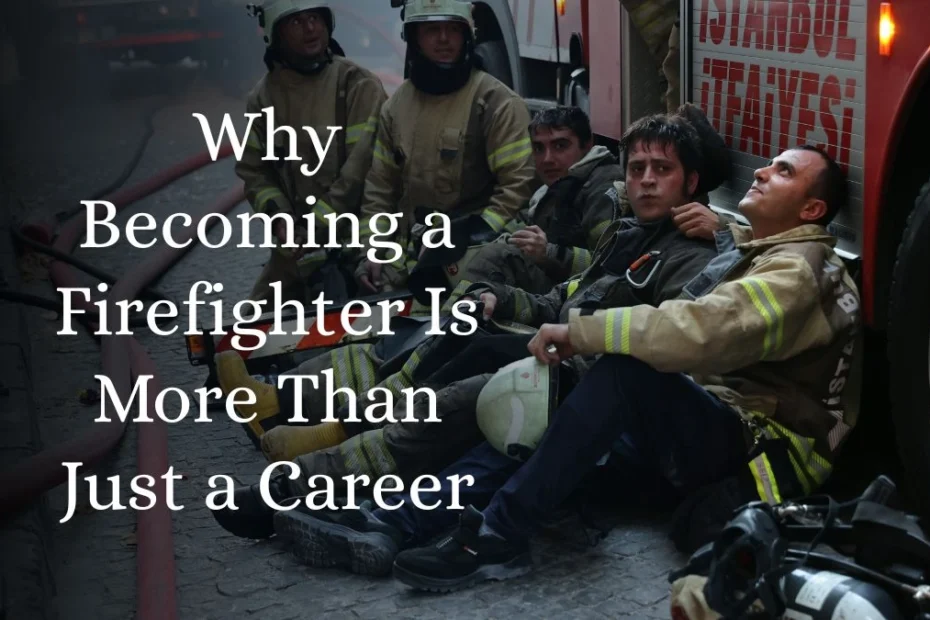
Choosing a career as a firefighter revolves around something far more profound than earning a paycheck. For many, it’s a lifelong vocation, service, and identity rooted in community protection, saving lives, and making real differences daily.
Firefighters are often viewed not just as professionals but as trusted community defenders — individuals who willingly confront danger to rescue others from perilous situations.
This detailed article explores every angle of why becoming a firefighter is more than just a career — covering responsibilities, facts and figures, the emotional and mental dimensions of the job, growth opportunities, and life as a firefighter.
What Is a Firefighter?
A firefighter is a trained emergency response professional who protects public safety by responding to fires, accidents, medical emergencies, hazardous environments, and other urgent situations.
This role exists worldwide, from urban fire stations to rural volunteer departments, and combines physical exertion, rapid decision-making, and community service.
Fire departments may also be known as fire brigades or fire services, and firefighters often overlap roles with other emergency responders like police or medical teams.
The Role Goes Beyond Firefighting
Modern firefighters do much more than extinguish flames. Their multifaceted responsibilities include:
- Fire suppression and rescue operations
- Emergency medical assistance and first aid
- Hazardous material response
- Search and rescue in disaster scenarios
- Fire prevention education and inspections
- Equipment maintenance and drills
- Public safety advocacy and community education
These duties reflect the wide scope of service that gives this profession its meaningful purpose.
Facts & Figures About Firefighting
Below is a detailed table outlining key data and statistics relevant to firefighting as a profession:
| Category | Number / Detail | Description |
|---|---|---|
| Total Firefighters in U.S. (2025) | ~1,207,800 | Includes career, volunteer, and paid-per-call personnel. |
| Volunteer Firefighters (%) | ~85% of departments | Majority of U.S. fire departments rely heavily on volunteers. |
| Career Firefighter Median Wage (U.S.) | $59,530/year | Based on 2024 figures. |
| Growth Projection (2024–34) | ~3% increase | Firefighter employment growth rate. |
| Typical Jobs Annually (U.S.) | ~27,100 openings | Expected average openings per year. |
| Volunteer Firefighter Avg Salary (U.S.) | $24,960/year | Typical figures for volunteers. |
| Career vs. Volunteer Roles | Career serves ~2/3 of population | Career departments protect major population centers. |
Why Becoming a Firefighter Is a Calling, Not Just a Job
1. Commitment to Saving Lives
Firefighters are among the first on the scene during emergencies, risking personal safety to rescue civilians, provide emergency medical care, and prevent further harm. This inherent risk transforms the role into a mission more than a routine job.
2. Protecting Property and the Environment
Beyond saving lives, firefighters work tirelessly to protect property and minimize environmental damage caused by fires or hazardous materials. Their quick response helps reduce community losses dramatically.
3. Strong Sense of Community and Teamwork
Firefighters are often embedded into community life — participating in public education, safety outreach, and collaboration with local citizens. They build camaraderie and lifelong bonds with their colleagues due to shared experiences and challenges.
4. Lifelong Learning and Personal Growth
The profession demands continuous learning and training, from advanced medical skills to rescue techniques and leadership. This fosters personal growth, resilience, and adaptability on and off duty.
5. Leadership and Rapid Decision Making
Every firefighter — even at the entry level — must make critical, life-saving decisions under pressure. These skills often translate into leadership abilities both within and beyond the firehouse.
6. Physical and Mental Fitness
Firefighting requires top-tier physical fitness and mental strength — qualities that shape firefighters into better overall leaders and healthier community members.
Training and Qualifications
Most fire departments require candidates to:
- Be at least 18 years old
- Hold a high school diploma or equivalent
- Pass background and fitness assessments
- Complete fire academy and EMS training
Additional advanced certifications (e.g., Paramedic or Hazardous Materials Technician) can boost career prospects and responsibilities.
Career Paths Within Firefighting
Becoming a firefighter is just the beginning; several specialized and leadership pathways exist:
- Firefighter/EMT
- Fire Inspector or Investigator
- Wildland Firefighter
- Driver / Engineer
- Captain, Battalion Chief, Fire Chief
These paths allow professionals to grow, specialize, and take on new levels of responsibility and community impact.
The Emotional and Psychological Dimensions
Unlike many careers, firefighting carries emotional resonance:
- Sense of fulfillment from saving lives
- Community respect and trust
- Psychological challenges due to trauma exposure
- Support systems and mental health resources often built into departments to help firefighters cope
These factors reinforce the idea that the career is deeply human and emotionally significant.
Table Summary
| Aspect | Why It Matters |
|---|---|
| Personal Sacrifice | Firefighters risk life for others |
| Community Impact | Protects lives, property, and morale |
| Team Bond | Strong trust and brotherhood/sisterhood |
| Career Growth | Opportunities for advancement and specialization |
| Emotional Reward | Personal fulfillment beyond salary |
Becoming a firefighter transcends the concept of merely holding a job. It’s a life commitment, blending courage, service, personal growth, and community dedication.
Firefighters are on the frontline of danger and hope — protecting lives, inspiring communities, and standing ready in emergencies that demand the best of human ability and compassion. For those considering this path, the profession promises purpose, impact, and lifelong meaning.
FAQs
What education is required to become a firefighter?
Most firefighters need a high school diploma or equivalent and must complete fire academy training. Additional specialized certifications are beneficial.
How much do firefighters earn?
The median annual wage for career firefighters in the U.S. is around $59,530, with volunteer roles earning significantly less.
Does firefighting offer job security?
Yes. Even as building codes improve safety, firefighters are still needed for fires, medical emergencies, and disaster response, offering stable long-term employment.
How Firefighters Balance Family Life And Emergency Service

The Importance of Fire Prevention Education In Saving Lives
Firefighter Stories That Inspire Courage And Commitment
A Day in the Life of a Professional Firefighter
What It Takes To Build A Long And Successful Firefighting Career