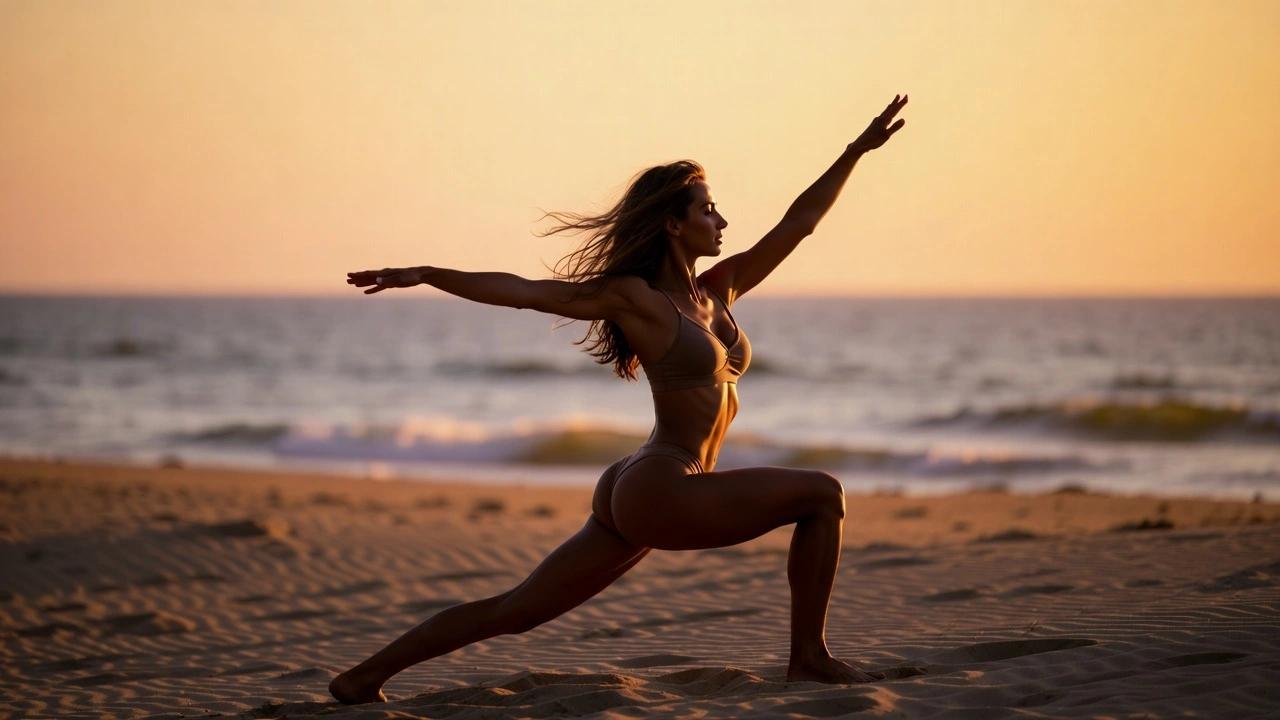
In our fast-paced digital landscape, many of us find ourselves glued to screens for hours on end. This relentless exposure can result in surprising symptoms like eye strain, dryness, blurred vision, and even persistent headaches. What’s really happening to our eyes in this screen-dominated era?
While glasses and medicines can help, many people are now turning to yoga for eyesight as a natural and long-term solution.
Yoga does not promise instant miracles, but with regular practice, it can help relax eye muscles, improve blood circulation, and reduce stress that affects vision.

In this article, you will learn 7 simple yoga poses and exercises that can help improve eyesight naturally. These practices are safe, easy to follow, and suitable for beginners.
How Yoga Helps Improve Eyesight?
Before moving to the poses, it is important to understand how yoga supports eye health.
- Improves blood flow to the eyes and optic nerves
- Relaxes strained eye muscles
- Reduces stress and mental fatigue
- Improves focus and concentration
- Supports overall nervous system health
Many vision problems are made worse by stress and overuse of eyes. Yoga works on both the body and mind, which is why it is helpful for eye care.
7 Simple Yoga Poses to Improve Vision Naturally
Below are seven effective and easy yoga practices for better eyesight. Practice them daily for best results.
1. Palming (Hasta Mudra Relaxation)
Palming is one of the most popular yoga exercises for eyes.
How To Do It:
- Sit comfortably with your spine straight
- Rub your palms together until they feel warm
- Gently place your palms over closed eyes
- Do not press on the eyes
- Relax and breathe slowly for 1–2 minutes
Benefits:
- Relaxes eye muscles
- Reduces eye fatigue and dryness
- Calms the mind
2. Trataka (Candle Gazing)
Trataka is a powerful yogic technique that improves focus and eye strength.
How To Do It:
- Sit in a dark room
- Place a candle at eye level, about 2 feet away
- Gaze steadily at the flame without blinking
- Continue until eyes water slightly
- Close eyes and visualize the flame
Benefits:
- Improves concentration
- Strengthens eye muscles
- Helps reduce blurred vision
3. Eye Rotation Exercise
This is a simple movement-based exercise for eye flexibility.
How To Do It:
- Sit straight and relax
- Look up, then down slowly
- Look left, then right
- Rotate eyes clockwise and anticlockwise
- Repeat 5–10 times
Benefits:
- Improves eye muscle flexibility
- Reduces stiffness and strain
- Supports better eye coordination
4. Blink Relaxation Exercise
Blinking keeps eyes moist and relaxed.

How To Do It:
- Sit comfortably
- Blink rapidly for 10–15 seconds
- Close eyes and relax for 20 seconds
- Repeat 3–4 times
Benefits:
- Prevents dry eyes
- Refreshes tired eyes
- Improves tear flow
5. Bhujangasana (Cobra Pose)
Bhujangasana improves blood circulation to the upper body, including the eyes.
How To Do It:
- Lie on your stomach
- Place palms under shoulders
- Inhale and lift your chest
- Keep elbows slightly bent
- Hold for 15–30 seconds
Benefits:
- Improves oxygen supply
- Reduces stress-related eye problems
- Strengthens spine and neck
6. Adho Mukha Svanasana (Downward Facing Dog)
This pose increases blood flow toward the head and eyes.
How To Do It:
- Start on hands and knees
- Lift hips upward forming an inverted “V” shape
- Keep heels gently pressed down
- Hold for 20–40 seconds
Benefits:
- Improves circulation to eyes
- Reduces eye pressure
- Relieves mental stress
7. Shavasana (Deep Relaxation Pose)
Relaxation is essential for eye recovery.
How To Do It:
- Lie flat on your back
- Close your eyes
- Relax your entire body
- Focus on slow breathing
- Stay for 5–10 minutes
Benefits:
- Relieves eye and mental fatigue
- Improves sleep quality
- Helps overall eye recovery
Yoga Routine Table for Better Eyesight
| Yoga Pose / Exercise | Time Required | Main Benefit |
|---|---|---|
| Palming | 2 minutes | Relaxes eye muscles |
| Trataka | 3–5 minutes | Improves focus |
| Eye Rotation | 2 minutes | Eye flexibility |
| Blinking | 1 minute | Reduces dryness |
| Bhujangasana | 30 seconds | Better circulation |
| Downward Dog | 40 seconds | Eye pressure relief |
| Shavasana | 5–10 minutes | Deep relaxation |
Tips to Get Better Results from Yoga for Eyesight
- Practice yoga early morning or evening
- Keep your stomach empty
- Avoid screen use immediately after exercises
- Eat eye-friendly foods like carrots, spinach, and almonds
- Stay consistent for at least 6–8 weeks
Important Note
Yoga helps support and protect eyesight, but it is not a replacement for medical treatment. If you have serious eye conditions, consult an eye specialist before starting.
Practicing yoga for eyesight is a natural and effective way to care for your eyes in today’s screen-heavy lifestyle. These 7 simple yoga poses help relax strained eye muscles, improve circulation, and reduce stress that affects vision.
With regular practice, patience, and healthy habits, yoga can support clearer vision and long-term eye health. Consistency is the key—small daily efforts can make a big difference over time.
FAQs
1. Can yoga really improve eyesight naturally?
Yoga helps relax eye muscles and reduce strain. It supports eye health but does not cure serious vision problems.
2. How long should I practice yoga for eyesight daily?
Just 15–20 minutes daily is enough to support better eye health.
3. Can children do yoga for eyesight?
Yes, simple eye exercises and relaxation yoga are safe for children under guidance.
7 Life-Changing Yoga Poses For Mental Clarity

10 Yoga Secrets That Help You Sleep Like A Baby

6 Simple Yoga Poses For A Flatter Belly—No Diet Required
8 Yoga Moves For Instant Stress Relief—Try Them Today!
10 Mind-Blowing Yoga Tips You Wish You Knew Sooner